Microsoft’s New AI Trio: Taking the Fight to OpenAI and Google
Microsoft just dropped a bombshell in the AI world by releasing three new foundational models. This move shows that the tech giant is tired of playing second fiddle and wants to build its own stack of powerful tools. These models cover text, voice, and images, and they are designed to compete directly with the biggest names in the business. Even though Microsoft is still deeply tied to OpenAI, this release signals a shift toward independence. They are building their own path under a new philosophy they call Humanist AI.
The first of the three is MAI-Transcribe-1. This model is a speed demon when it comes to turning speech into text. It supports 25 different languages and is significantly faster than Microsoft’s previous offerings. In fact, it is 2.5 times faster than the Azure Fast service that many companies already use. For businesses that need to process thousands of hours of audio, this speed increase is a huge deal. It cuts down on wait times and makes real-time translation much more viable for global teams.
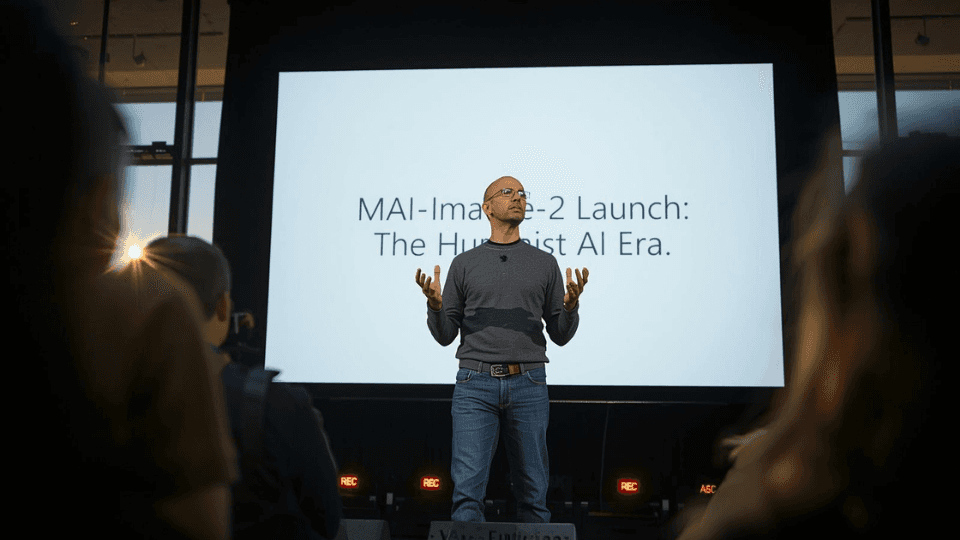
Next up is MAI-Voice-1, which focuses on generating high-quality audio. This model can generate 60 seconds of realistic audio in just one second of processing time. It also lets users create custom voices, which opens up a lot of possibilities for digital assistants and content creators. The third piece of the puzzle is MAI-Image-2. While this model was originally being tested in a private playground, it is now available for broader use. It handles complex image generation and even video output, making it a versatile tool for designers and marketing teams.
Mustafa Suleyman, the CEO of Microsoft AI, is the brain behind this push. He led the Superintelligence team that developed these models. He believes that AI should be built with humans at the center. In a recent blog post, he wrote that these tools are trained for practical use and optimized for how people actually communicate. He wants these models to feel like a natural extension of human creativity rather than just cold, calculating machines. This human-first approach is what Microsoft hopes will set them apart in a crowded market.
One of the biggest selling points for this new trio is the price. Microsoft is positioning these models as a cheaper alternative to what Google and OpenAI currently offer. MAI-Transcribe-1 starts at just $0.36 per hour, and the image model is priced competitively for both text and image output. By making these tools more affordable, Microsoft is inviting more developers and small businesses to build on their platform. They are betting that being the low-cost leader will help them win the long-term war for AI dominance.
Microsoft has already invested over $13 billion into its AI research lab, and they are not slowing down. While they still maintain their partnership with OpenAI, they are also building their own hardware and chips. This strategy lets them hedge their bets. They can produce their own tech while also buying the best tools from outside players. It is a massive, multi-year plan to ensure they own the infrastructure of the future. With these three new models, they are proving they have the talent and the cash to lead the charge.