Scaling Seamless Journeys With Integrated Automation
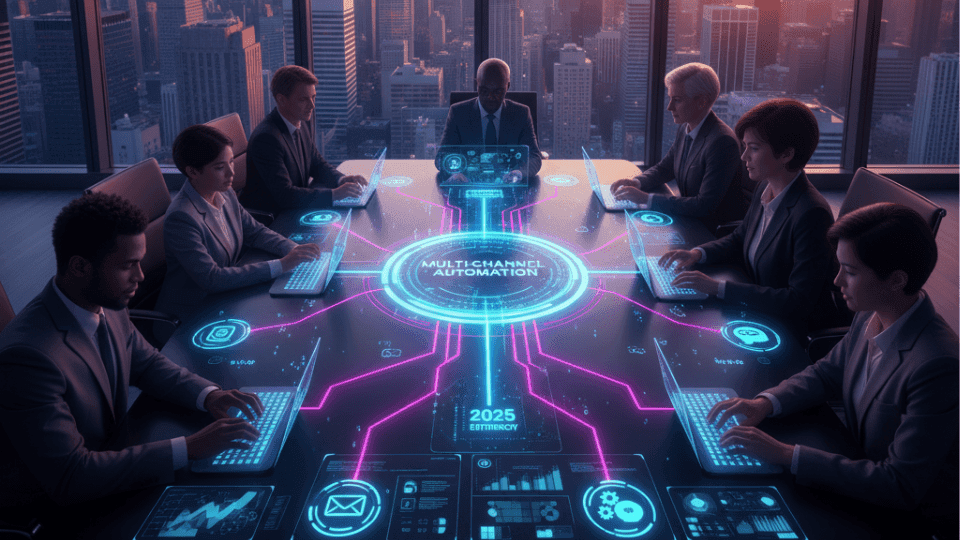
In the hyper-connected world of 2025, customers engage with businesses across a dizzying array of touchpoints: websites, social media, email, chatbots, physical stores, and more. Juggling these channels manually leads to disjointed experiences, wasted resources, and ultimately, lost opportunities. The key to not just keeping pace, but truly excelling, lies in leveraging integrated automation. To genuinely unlock multi-channel automation for 2025 efficiency, organizations must move beyond siloed efforts, creating a cohesive, intelligent system that delivers seamless customer journeys and streamlines internal operations across every channel.
Harmonizing Customer Journeys Across Channels
The primary goal of multi-channel automation is to create a harmonized and consistent customer journey, regardless of where or how a customer chooses to interact. Disjointed experiences frustrate customers and can lead to abandonment. Automation connects these disparate points into a unified narrative.
Focus on:
- Unified Customer Profiles: Integrate data from all channels into a central CRM or customer data platform (CDP). This ensures every interaction enriches a single, comprehensive customer profile.
- Contextual Handoffs: Automate the transfer of customer context between channels. For example, if a customer starts a chat online, the phone agent who calls them should immediately know the chat history.
- Cross-Channel Personalization: Use automation to deliver personalized messages, offers, and content that adapt based on a customer’s activity across all channels, not just the one they are currently using.
This harmonization ensures customers feel understood and valued, leading to increased engagement, satisfaction, and loyalty, all while reducing manual coordination efforts.
Streamlining Marketing Automation Across Touchpoints
Marketing is often the first interaction point across multiple channels. Multi-channel automation revolutionizes how businesses attract, nurture, and convert leads by ensuring consistent and personalized messaging wherever the customer is.
Implement automation that:
- Coordinates Campaigns: Automatically launch and synchronize marketing campaigns across email, social media, SMS, and advertising platforms based on customer segments and behavior.
- Triggers Dynamic Content: Adjust website content, email visuals, or ad copy in real-time based on a customer’s recent interactions on any channel (e.g., viewing a product page, downloading a whitepaper).
- Automates Lead Nurturing: Create intelligent drip campaigns that adapt their channel and message frequency based on a lead’s engagement with previous communications across different platforms.
By automating these processes, marketing teams can deliver highly relevant and timely messages, reduce manual campaign management, and drive higher conversion rates across the entire customer lifecycle.
Key Components of Multi-Channel Automation
- Centralized Data Platform: A single source of truth for all customer interactions.
- Workflow Orchestration Engine: Tools to design and manage automated sequences across channels.
- AI/Machine Learning: For intelligent routing, personalization, and predictive actions.
- Integration Ecosystem: Seamless connections between all your sales, marketing, and service tools.
Optimizing Sales Processes Through Integrated Channels
Sales teams operate across various channels, from email and phone to social media and live chat. Unlocking multi-channel automation empowers sales professionals with context, streamlines their workflows, and accelerates the sales cycle for 2025 efficiency.
Automate sales processes by:
- Lead Routing and Prioritization: Automatically assign leads to the right sales rep based on their activity across channels (e.g., website visits, email opens, social media engagement).
- Automated Follow-ups: Trigger personalized email or SMS follow-up sequences based on deal stage changes, meeting outcomes, or customer interactions across any touchpoint.
- Sales Enablement Content Delivery: Automatically deliver relevant sales collateral (e.g., case studies, product sheets) to prospects via their preferred channel based on their expressed interest.
- Meeting Scheduling: Integrate calendar automation across email and website chat to simplify appointment booking.
These integrations ensure sales teams are always working with the most up-to-date information, reducing administrative tasks and allowing them to focus on closing deals and building relationships.
Enhancing Customer Service with Seamless Support
Customer service is a make-or-break aspect of the customer journey, and customers expect a seamless experience no matter which channel they choose. Multi-channel automation transforms support, making it more efficient, proactive, and satisfying.
Implement automation for:
- Omnichannel Support Hub: Allow customers to switch between channels (e.g., from chatbot to email to phone) without losing context or having to repeat themselves.
- AI-Powered Chatbots: Deploy chatbots across websites, messaging apps, and social media to provide instant answers to FAQs and handle routine inquiries 24/7.
- Automated Ticket Routing: Intelligently route complex service requests to the most qualified human agent, armed with the customer’s full interaction history across all channels.
- Proactive Alerts: Use automation to send out proactive notifications via email or SMS about service disruptions, order status updates, or account changes.
This seamless support reduces customer effort, improves resolution times, and elevates the overall service experience, leading to higher customer satisfaction and efficiency.
Measuring and Iterating for Continuous Efficiency
The true power of multi-channel automation for 2025 efficiency lies in its ability to generate comprehensive insights and facilitate continuous improvement. Without robust measurement and iteration, even the best automation strategy can become stagnant.
Set up systems to:
- Cross-Channel Analytics: Track customer behavior and engagement metrics across all touchpoints, providing a holistic view of performance.
- Attribution Modeling: Understand which channels and automated sequences are most effective in driving conversions and customer success.
- Identify Bottlenecks: Use data to pinpoint where customer journeys break down or where automation could be further optimized.
- A/B Testing Automation Flows: Continuously test different sequences, messages, and channel combinations to identify the most efficient and effective approaches.
By continuously measuring and iterating based on these insights, organizations can refine their multi-channel automation strategy, ensuring it always aligns with evolving customer needs and maximizes operational efficiency.
Unlocking multi-channel automation for 2025 efficiency is no longer an option but a strategic imperative. By harmonizing customer journeys, streamlining marketing, optimizing sales, enhancing service, and committing to continuous measurement, businesses can create a powerful, integrated ecosystem. This approach delivers seamless, personalized experiences for customers while simultaneously boosting internal productivity and driving sustainable growth. What is the first cross-channel process your organization will automate to drive efficiency in the coming year?