The Digital Brain: Littlebird Raises Millions to Remember Your Entire Screen
The struggle to find that one specific link or chart you saw three days ago is finally over. Littlebird, a startup building a persistent memory tool for your computer, just raised $11 million. This isn’t just another search bar. Littlebird sits in the background and takes snapshots of your screen every few seconds. It then uses AI to understand exactly what you were looking at, whether it was a spreadsheet, a Slack message, or a random website.
The funding round was led by Greylock and included big names like Foundation Capital and even some early OpenAI investors. People are clearly betting big on the idea that our computers should remember things as well as we do. For most of us, our digital lives are a mess of open tabs and lost documents. Littlebird wants to be the glue that holds all that information together.
How Your Computer Learns to Remember
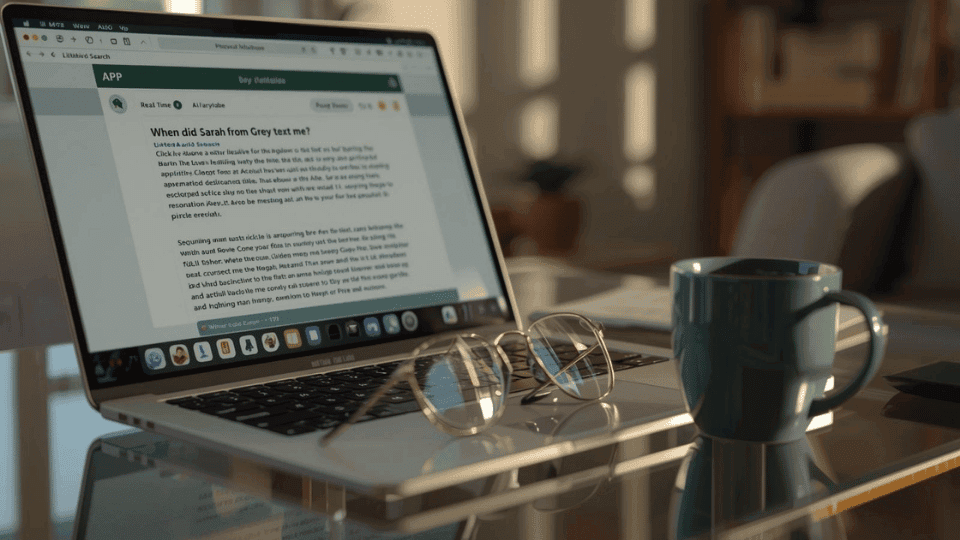
Most search tools only look at file names or specific text within a document. Littlebird is different because it uses computer vision. It literally “sees” your screen the way you do. If you remember seeing a blue graph on a website last Tuesday but can’t remember the name of the site, you can just ask Littlebird. You can type in simple questions like, “What was that hotel my friend recommended in our chat?” and it will pull up the exact moment that information appeared on your screen.
This kind of technology is often called “recall.” We have seen similar ideas from tech giants like Microsoft, but those attempts faced a lot of pushback over privacy. Littlebird is trying to do things differently. They claim that all the processing happens locally on your machine. Your data isn’t being sent to a giant server in the cloud to be analyzed by strangers. This local first approach is a big deal for users who are worried about their privacy but still want the benefits of a digital memory.
Solving the Context Problem
One of the biggest issues with modern work is context switching. We jump from an email to a Zoom call and then to a coding environment. By the time we get back to the first task, we have forgotten half of the details. Littlebird acts as a constant companion that keeps track of these shifts. It can even summarize your day for you. If you need a quick rundown of everything you accomplished on Wednesday, the AI can generate a list based on what was actually on your screen.
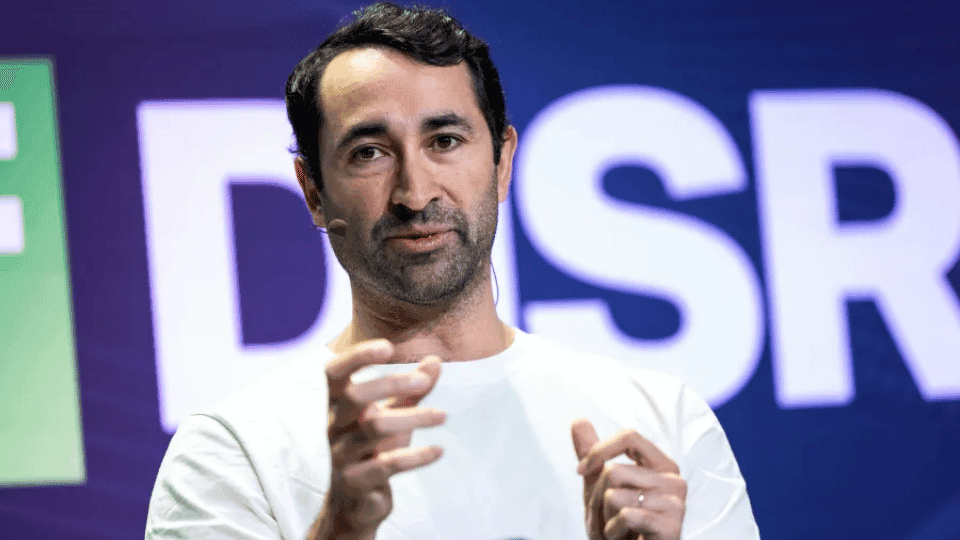
The founders, including CEO Kevin Moody, believe that we are wasting hours every week just looking for things we have already seen. They want to turn your computer into a proactive partner that knows what you need before you even ask. Instead of digging through folders, you just interact with the AI like you would with a smart friend.
The Future of Personal AI Agents
This $11 million investment shows that the tech world is moving toward “agentic” AI. These are tools that don’t just wait for you to type a prompt but actually understand your workflow. Littlebird is part of a new wave of software that focuses on personal context. While general AI like ChatGPT knows a lot about the world, it doesn’t know anything about your specific project or your private conversations.
By reading your screen, Littlebird bridge this gap. It combines general intelligence with your specific personal data. As the product grows, it could eventually start suggesting actions. For example, if it sees you are looking at a flight confirmation, it might automatically offer to add the details to your calendar. The goal is to remove the friction from our digital lives and let us focus on the actual work.