























































The Machine Umpire: Can AI Grade Truth Without Chilling the News?
The quest for a perfectly objective news feed has led us to a controversial new frontier: letting machines decide what is true. A startup called Troo, backed by high-profile investors like Thiel Capital, thinks it has the answer. They have built an AI designed to judge the quality and credibility of journalism. While this sounds like a great way to fight fake news, it raises a massive question. Can a computer truly understand the nuance of reporting, or will it accidentally silence the whistleblowers we need to keep the world honest?
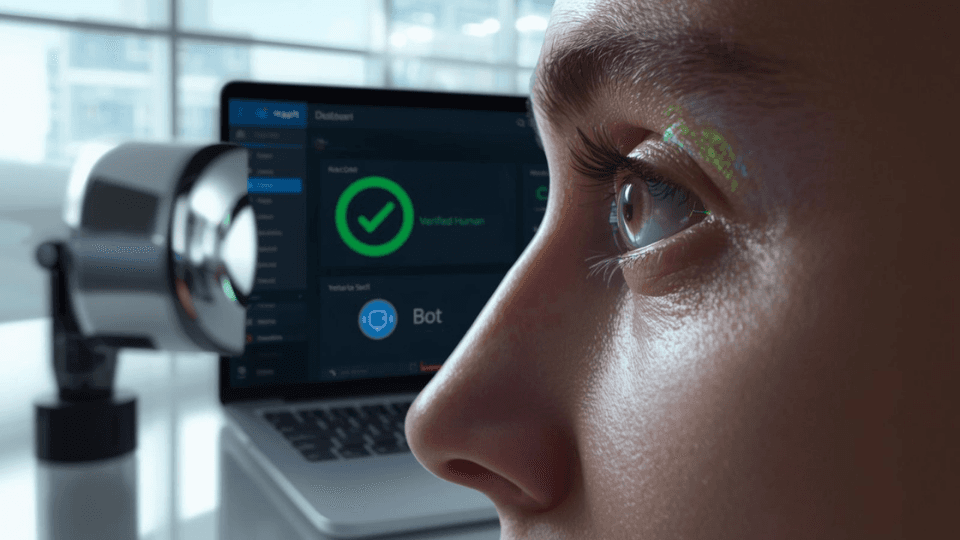
Troo operates by scanning thousands of articles and assigning them a “Trust Score.” This score is based on several factors, such as the reputation of the author, the quality of the sources cited, and how well the story matches known facts. At first glance, this is a huge help for people who are tired of clicking on junk news. If a machine can highlight high-quality reporting, it might help save a dying industry. But the way Troo builds these scores is starting to make some journalists very nervous.
The Problem with Black Box Ethics
One major concern is that the AI might be biased against controversial or “edgy” reporting. Whistleblowers often rely on anonymity and leaked documents that have not been verified by official sources yet. If an AI sees a story with “unverified” sources, it might automatically give it a low score. This could lead to a world where the only news that gets a high rating is the “safe” news provided by big corporations or government agencies. This creates a “chilling effect” where reporters might avoid tough stories just to keep their AI scores high.
Troo’s founder, Gautam Gupta, is a former executive at companies like Uber and a researcher at OpenAI. He believes that the current news landscape is too messy for humans to navigate alone. He argues that we already live in a world where algorithms at Google and Meta decide what we see. Troo just wants to make that process more transparent. By giving a clear score, they hope to hold publications accountable. However, critics point out that an AI is only as good as the data it learns from. If the training data is biased, the scores will be biased too.
A New Era of Media Accountability
Despite the risks, the demand for what Troo is building is huge. The company recently raised $15 million in a funding round that included a mix of Silicon Valley giants and media veterans. They are currently testing their tool with a few major news aggregators and social media platforms. The goal is to integrate these scores directly into your feed. Imagine scrolling through your phone and seeing a red, yellow, or green badge next to every headline. This would give users an instant “gut check” before they share a potentially misleading story.
But what happens when the machine gets it wrong? Reporting on a fast-moving war or a complex financial scandal is incredibly difficult. Facts change by the hour. A human editor understands that a story might be messy because the truth is still coming out. An AI might see that same messiness as a lack of credibility. If we let machines become the ultimate umpires of truth, we might trade our messy, free press for a polished, sterile version of the news that never challenges the status quo.
Troo is walking a very thin line. If they succeed, they could help restore trust in the media. If they fail, they might just become another tool that powerful people use to bury the truth. As this tech rolls out to the public, the real judge will be the readers. We have to decide if we trust a machine to tell us who to believe.