
































































Apple vs Cal AI: The App Store Sheriff Proves He’s Still in Charge

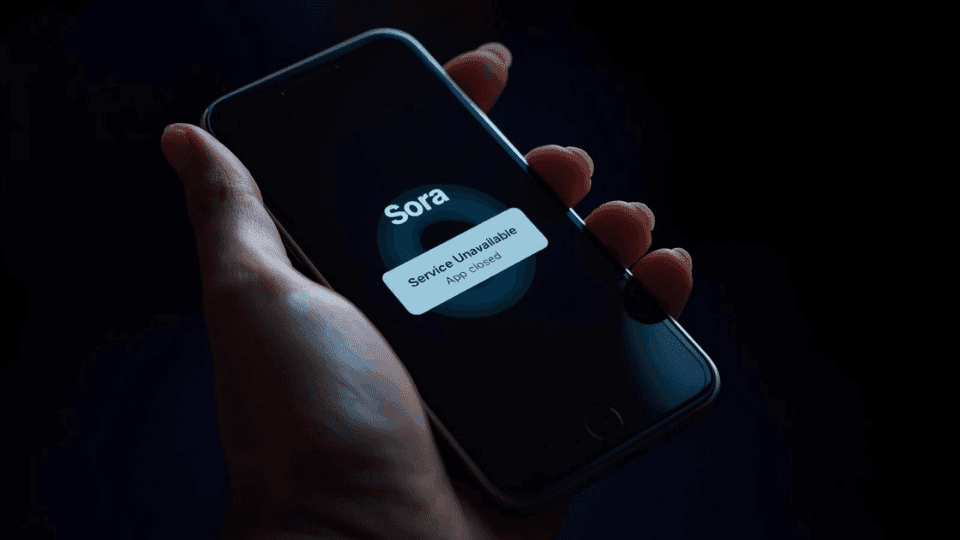
Apple just sent a loud message to every developer on the planet: the rules still apply, even to the biggest viral hits. The tech giant recently yanked Cal AI, a popular food-logging app owned by MyFitnessPal, right off the App Store. While the app eventually made its way back after fixing its mistakes, the whole drama shows that Apple is not relaxing its grip on how apps collect money. Cal AI tried to play fast and loose with payment rules and deceptive designs, and Apple was quick to pull the plug.
Cal AI is not some tiny project. A pair of high school students started it and grew it into a business making $50 million in annual revenue before MyFitnessPal bought it in March. Because it was such a huge success, people noticed immediately when it vanished from the store last week. At first, many thought Apple was just being picky about web payments. After a court battle with Epic Games, Apple now has to let developers link to outside payment systems. However, Apple made it clear that Cal AI went way past the legal limits.
Breaking the Payment Rules
According to Apple, Cal AI committed several major violations. The biggest issue involved how they handled money. Under the new rules, you can link to a third-party payment site like Stripe, but you must still offer Apple’s own in-app purchase system alongside it. Cal AI reportedly removed Apple’s payment option entirely during checkout. This gave users no choice but to use the external system, which helps the developer avoid paying Apple’s commission. Apple pointed to Guideline 3.1.1, which says you can’t force users away from the official App Store payment method.
But the problems did not stop at payments. Apple also accused the app of using “manipulative tactics” and deceptive billing. Specifically, the paywall showed a weekly price very clearly, but it hid the actual total amount the user would pay. They also used a toggle for a free trial that made it hard to see that the subscription would renew automatically. This is exactly the kind of “dark pattern” design that Apple hates. It confuses users and often leads to accidental charges.
A Warning to Other Developers
Apple also noted that the app had a lot of bad reviews from angry users. People felt scammed by the way the third-party payment options appeared. When the app rejected a user’s first subscription offer, it would immediately prompt them with a second, different payment flow. This kind of aggressive behavior violates the Developer Code of Conduct. Apple basically used Cal AI to make an example. They wanted to show that even if you are the number four app in the Health and Fitness charts, you are not too big to get banned.
Cal AI fixed the issues and returned to the store, but the damage to its reputation might stick around. For other developers, the lesson is simple: do not test the fences. Apple is still actively watching how people implement web payments. They are looking for anything that feels sneaky or dishonest. Even though the Epic Games ruling loosened some restrictions, the App Store is still a very policed space. Apple is willing to lose out on the revenue from a viral app if it means keeping total control over the user experience.
As the app economy continues to grow, we will likely see more companies try to bypass Apple’s fees. But for now, the sheriff is still in town, and he has a very long memory. If you want to stay in the store, you have to play by the book.