




































































Safety First: OpenAI Beefs Up Its Agent Toolkit for Businesses
OpenAI just dropped a major update for its Agents Software Development Kit (SDK). This move is a big deal for companies trying to build autonomous AI helpers without accidentally breaking their entire system. As “agentic AI” becomes the hottest trend in tech, OpenAI is racing against competitors like Anthropic to give developers the best tools for the job. The goal is to let businesses create automated assistants that run on the back of OpenAI’s powerful models while staying under control.
Building a Safe Digital Sandbox
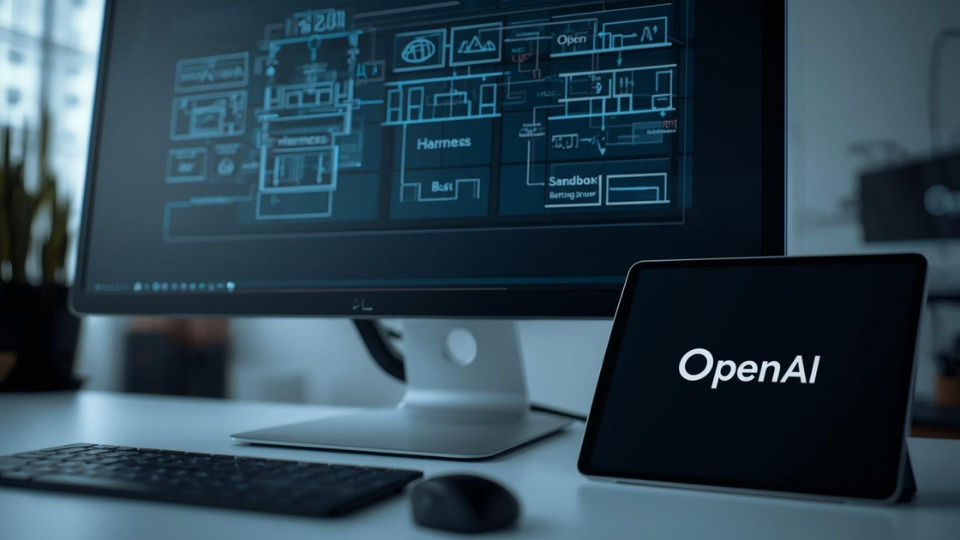
The biggest highlight of this update is the new sandboxing ability. In the world of software, a sandbox is a safe, isolated environment where a program can run without touching the rest of the system. This is vital for AI agents because they can sometimes be unpredictable. If you give an AI agent the power to write and execute code, you do not want it messing with your main servers or sensitive company data.
With this new integration, agents can work in a siloed space. They can access the files and code they need for a specific job, but they are blocked from wandering anywhere else. This keeps the rest of the company’s digital infrastructure safe. It also means that if an agent makes a mistake, the damage is contained within that small box. Developers can now test and deploy these agents with much more confidence.
Harnessing Long-Distance Agents
OpenAI also introduced something called an “in-distribution harness.” In the world of AI agents, a harness is basically the support system that helps an agent talk to other software and move files around. The new version of the SDK allows these harnesses to work with approved tools and files within a specific workspace.
Karan Sharma, a product lead at OpenAI, says this launch is about making the SDK compatible with all the major sandbox providers. This flexibility is a win for developers. They can now build “long-horizon” agents—bots that handle complex, multi-step tasks over a long period—using whatever infrastructure they already have in place. Whether a company uses its own servers or a cloud provider, these agents can now plug in and get to work more easily.
What is Next for Developers?
OpenAI is not stopping here. While the new harness and sandbox features are launching first for Python, the company plans to add TypeScript support very soon. They are also working on bringing even more advanced capabilities to the table, such as “code mode” and “subagents.” Subagents would allow one main AI agent to hire smaller, specialized AI agents to handle specific parts of a big project.
This update is available to all customers through the OpenAI API and follows standard pricing rules. As more companies look for ways to automate their daily operations, these safety and management tools will become the backbone of the modern office. OpenAI is betting that by making agents safer and easier to build, they can stay ahead in the AI arms race.