





















































The Death of the App: OpenAI’s Bold Plan to Put an AI Agent in Your Pocket
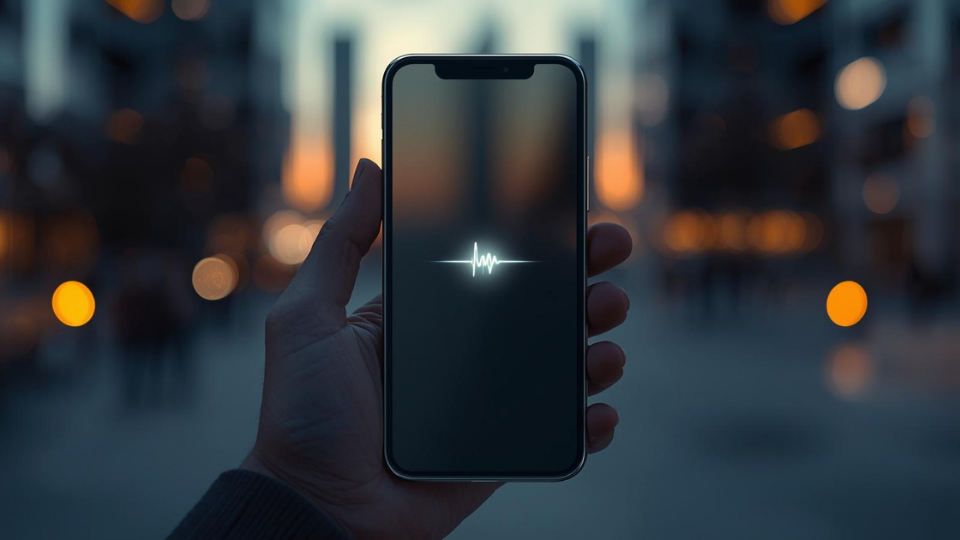
Rumors about OpenAI moving into hardware are finally taking a concrete shape. The latest reports suggest the company is moving beyond chatbots and web browsers to build its very own smartphone. This is not just another phone launch. It is a fundamental bet that AI agents will eventually replace the apps we use every day. If OpenAI succeeds, the screen full of colorful icons on your current device might soon become a relic of the past.
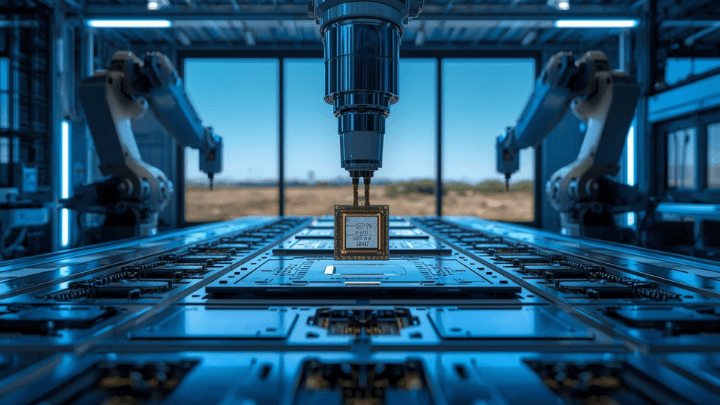
Industry analyst Ming-Chi Kuo suggests OpenAI is working with major partners like MediaTek, Qualcomm, and Luxshare to pull this off. Luxshare would likely handle the design and manufacturing, while the chip giants provide the brains. This move signals a massive shift in the tech landscape. Currently, Apple and Google control the phone world. They decide which apps you can download and how those apps access your data. By building its own hardware, OpenAI can bypass these gatekeepers and create a device where AI is the core operating system, not just an extra feature.
A World Without Apps
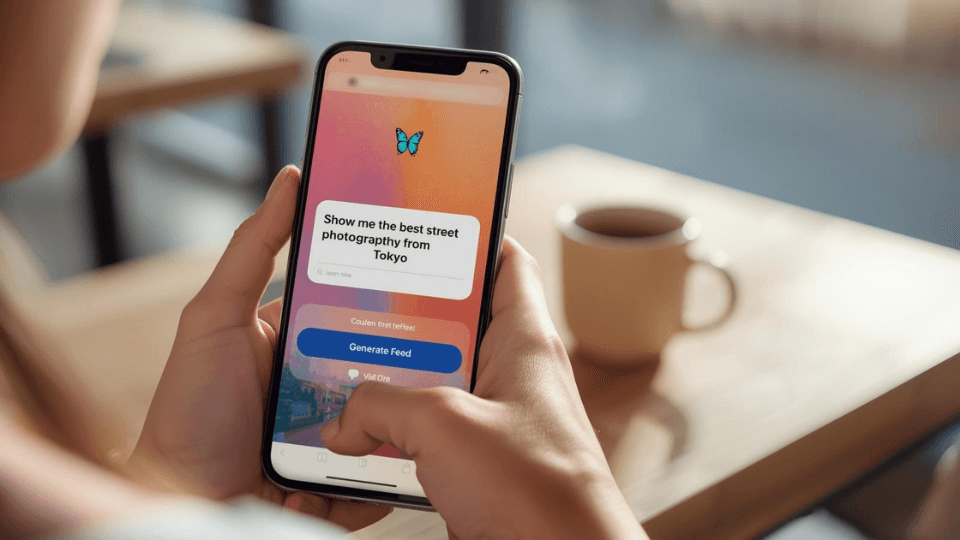
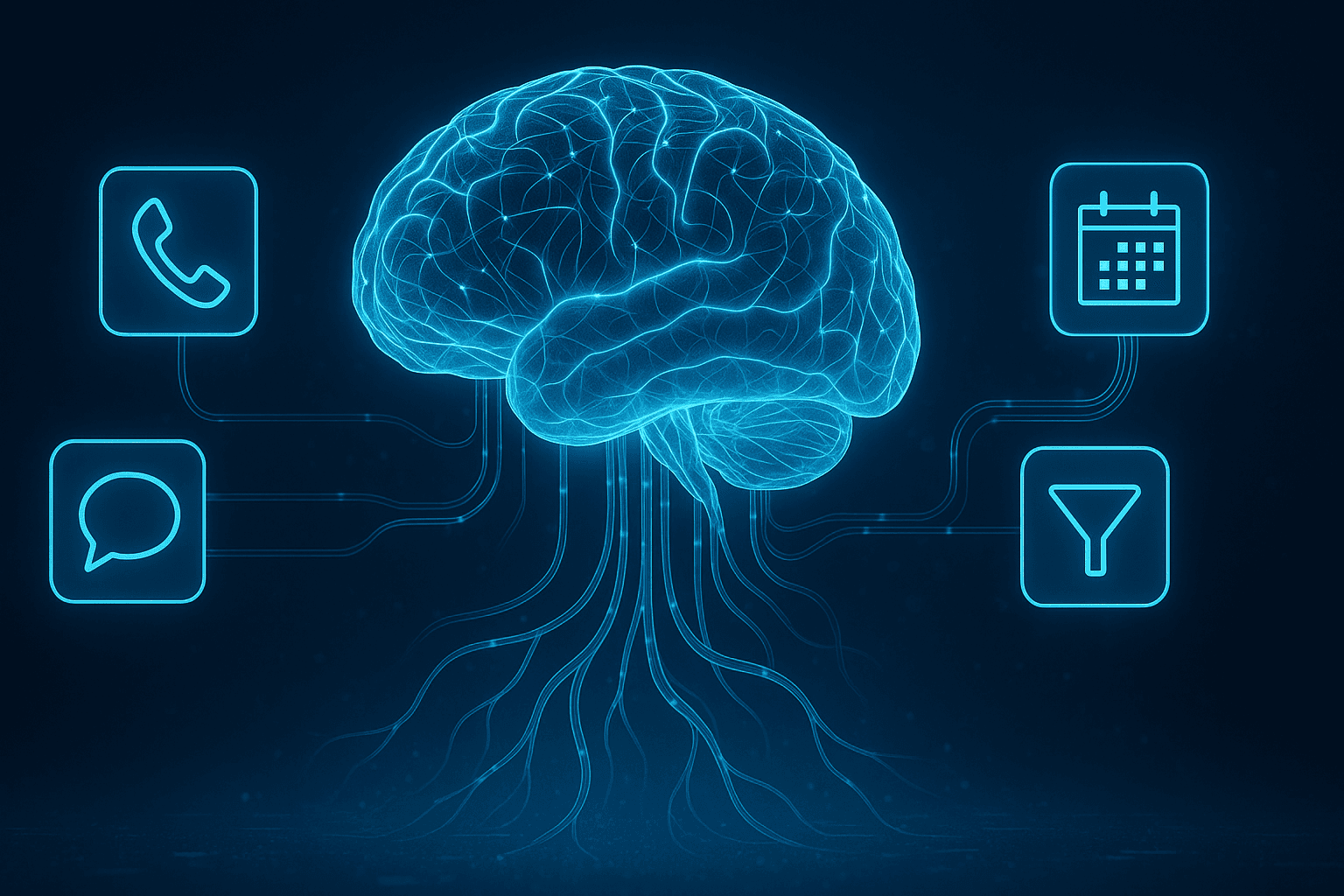
The core idea behind this project is simple. Instead of opening a weather app, a calendar app, and a travel app, you just talk to your phone. The AI agent understands your intent and handles the tasks across different services. This concept is often called vibe coding or agentic computing. It is a future where the device understands your habits and context better than any individual app ever could. Nothing CEO Carl Pei recently hinted at a similar future, suggesting that traditional apps will eventually fade away.
OpenAI is reportedly designing this smartphone to run a mix of local and cloud-based AI models. This means the phone can handle simple tasks quickly on the device while sending complex requests to powerful servers. By owning the hardware, OpenAI gets direct access to more data about how you live and work. This data allows the AI to become a true personal assistant that anticipates your needs before you even ask.
The Hardware Roadmap
While the smartphone is the big prize, it is not the only thing OpenAI has in the works. Reports indicate the company might launch a pair of smart earbuds as its first hardware product. Chris Lehane, an official at OpenAI, recently hinted that a hardware announcement could come in the second half of 2026. These earbuds would likely serve as a testing ground for voice-based AI interaction before the phone hits the market.
Kuo expects the specifications for the OpenAI phone to be finalized by early 2027. If the timeline holds, mass production could start in 2028. This gives OpenAI time to refine its models and build a supply chain that can compete with the likes of the iPhone. It also gives the company time to see how consumers react to other AI gadgets like the Humane Pin or the Rabbit R1, which have struggled to find a solid footing.
Building a smartphone is a massive risk. Many tech giants have tried and failed to break the Apple and Google duopoly. However, OpenAI has a unique advantage: the world’s most popular AI. If they can prove that a phone without apps is actually better than the one in your pocket today, they might just trigger the biggest shift in personal technology since the original iPhone launched in 2007. The era of the app is under attack, and the era of the agent is ready to take its place.