







































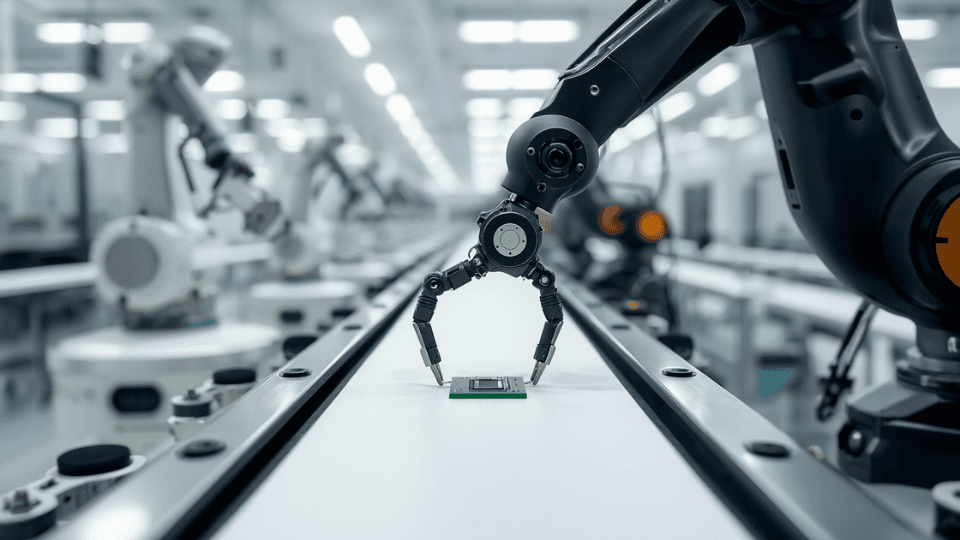




















































War Bots: Inside the $100 Million Boot Camp for Combat AI
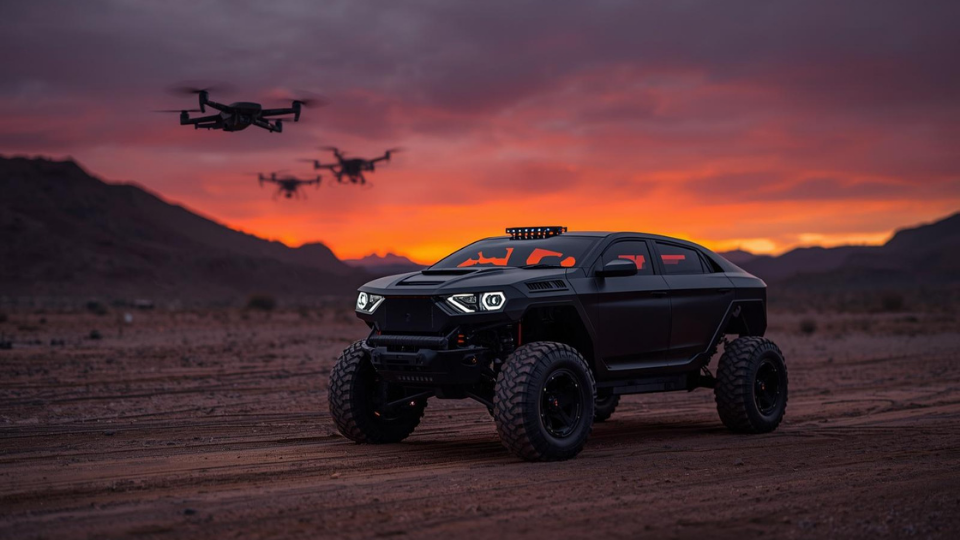
The front lines of modern warfare are changing fast, and Coby Adcock is leading the charge. His startup, Scout AI, recently raised $100 million to build the brains for a new generation of autonomous weapons. This isn’t just another software project. Scout AI is building systems designed to find, track, and engage targets on the battlefield without a human constantly pulling the strings. We visited their high-tech boot camp to see how they train these machines for the chaos of combat.
The facility sits on a massive stretch of rugged terrain that mimics the diverse environments soldiers face today. Here, Scout AI puts its fleet of drones and ground vehicles through a digital version of basic training. They aren’t just teaching a drone how to fly. They are teaching it how to survive in a war zone where GPS might fail and enemies are trying to jam its signal. The company uses a mix of real-world testing and massive computer simulations to feed its models the data they need to make split-second decisions.
The Shift to Autonomous Combat
Adcock believes that the old way of remote-controlling drones is too slow and too vulnerable. If a pilot loses their connection, the drone becomes a paperweight. Scout AI wants to fix this by giving the machine enough intelligence to finish the mission on its own. During our visit, we saw a group of small drones coordinate their flight to search a wooded area for “enemy” targets. They didn’t need a human to tell each one where to go. They talked to each other and adjusted their path in real time.
This $100 million investment shows how serious the defense industry is about AI. Investors like Sequoia and Founders Fund are betting that Scout AI can outpace traditional defense contractors. These legacy companies often move too slow for the fast-moving world of software. Adcock’s team moves like a tech startup, pushing updates to their combat models daily based on what they learn in the field.
Ethics in the Age of Iron
As machines get smarter, the questions about how we use them get harder. Scout AI is very open about the fact that its systems are built for war. While they emphasize that humans stay “in the loop” for lethal decisions, the speed of modern combat is pushing that loop to its breaking point. If an enemy drone is coming at you at 100 miles per hour, a human brain is simply too slow to react. In those moments, you have to trust the AI.
The boot camp isn’t just about offensive power. A large part of the training focuses on identifying civilians and avoiding friendly fire. Adcock argues that a well-trained AI can actually be more precise and less prone to panic than a human soldier in a high-stress situation. By removing fear and exhaustion from the equation, he believes Scout AI can reduce the accidental damage that often happens in war.
The future of the military is digital, and Scout AI is building the operating system for it. With $100 million in the bank and a growing fleet of smart machines, they are turning science fiction into a battlefield reality. Whether you find it exciting or terrifying, the age of autonomous combat has arrived.