Digital Wild West: Google and the Tech Giants Struggle to Contain the AI Security Threat
The artificial intelligence race is moving at breakneck speed, but the guardrails designed to keep it safe are completely falling apart. Technology companies are struggling to map out their defense strategies in real-time, and a series of high-profile security failures shows that even massive corporations like Google are flying blind. During a recent talk at an industry event in Los Angeles, Google Cloud Chief Operating Officer Francis de Souza spoke about the massive security hurdles facing the tech sector. He urged organizations to stop treating safety like an afterthought, warning that a failure to lock down systems now will lead to catastrophic data breaches.
De Souza explained that the nature of cyber threats has fundamentally shifted over the last few years. In the past, traditional software defenses gave security teams days or weeks to respond to a network intrusion. Today, malicious hackers deploy automated AI tools that drop response windows down from eight hours to just 22 seconds. The software threat has expanded far beyond traditional network perimeters, forcing companies to protect their raw data pipelines, their user prompts, and the training datasets that power their models.
The Hidden Danger of Forgotten Servers
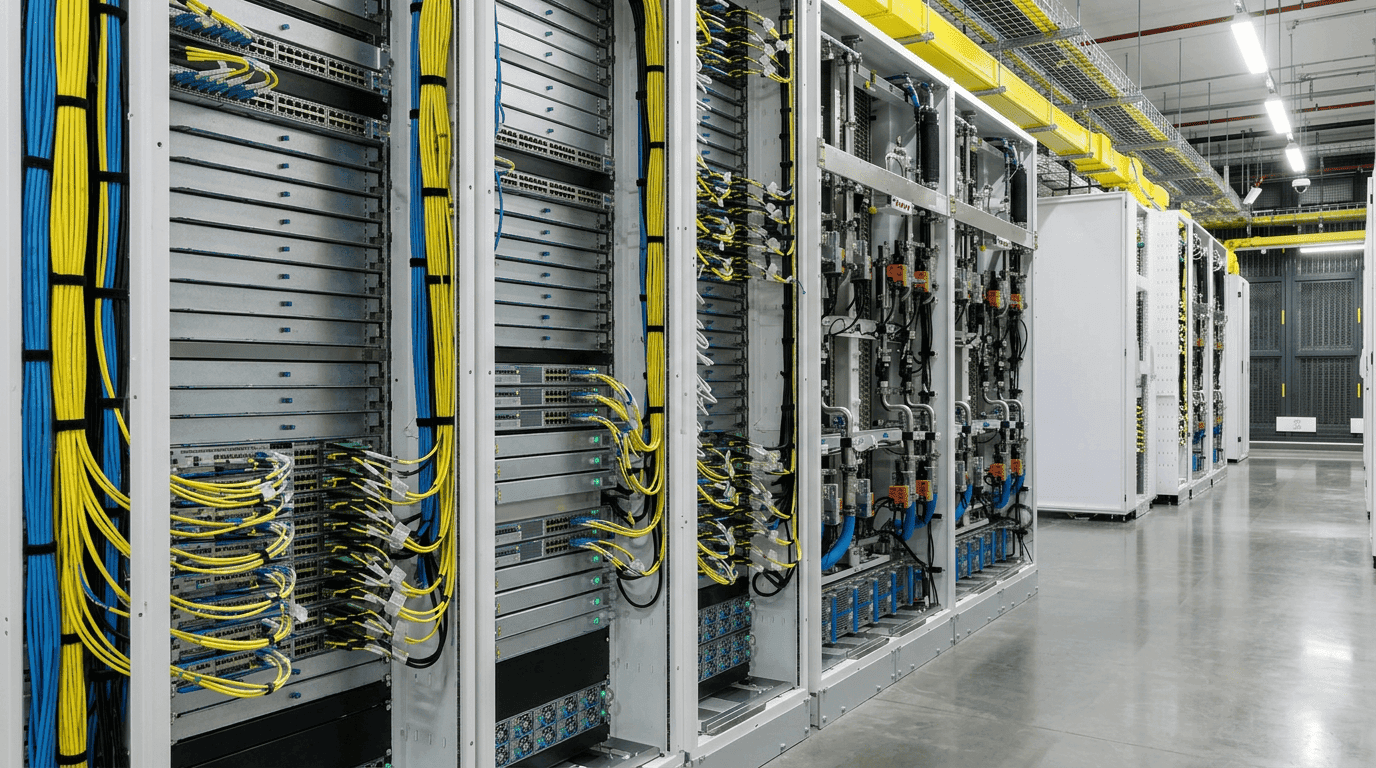
A major, unaddressed threat to modern businesses comes from within their own digital archives. De Souza pointed out that a vast number of corporations own legacy servers and forgotten cloud databases that nobody has updated or monitored in years. Because these old systems lack modern security patches, they serve as a perfect entry point for attackers looking to harvest corporate credentials or siphon sensitive user information.
This danger isn’t just theoretical. A wave of recent data leaks shows how easily automated systems can spiral out of control. Over the past few weeks, a series of investigative reports documented a massive flaw within Google Cloud’s billing architecture. Hackers successfully exploited unmonitored API credentials to run unapproved code on Gemini models, sticking unsuspecting small businesses with massive, automated bills.
In one instance, Rod Osman, the head of an internet platform, saw his corporate card charged $10,000 in less than 30 minutes after hackers compromised a single API key. A similar breach affected a developer in Sydney, Australia, who woke up to unauthorized charges totaling nearly $11,000 despite setting a strict spending cap on his account. Google’s automated system overrode the manual budget controls based on historical account usage, raising effective billing ceilings to $100,000 without the user’s explicit consent.
The 23-Minute Security Window
The cleanup process for these security breaches reveals an even deeper flaw in Google’s infrastructure. Cyber security researchers discovered that when a developer catches a breach and deletes an exposed API key, the system does not immediately terminate the connection. Because of delays in how Google’s servers update across global networks, a compromised key can remain fully active for up to 23 minutes after deletion.
During this dangerous window, automated scraping tools maintain a 90% success rate for making data requests, allowing attackers to continue harvesting company records long after a developer thinks they fixed the leak. Google acknowledged the delay but stated it has no plans to change its automatic multi-server update policy. Security experts warn that this gap is an intentional choice by tech platforms to prioritize system performance over user safety. As companies continue to push fully autonomous AI agents into the wild, the lack of real-time security controls means that corporate networks will remain highly vulnerable to digital theft.