From Scooters to Satellites: Inside the Wild Race to Build Space Data Centers
SpaceX is preparing for a historic public stock offering, and investor hype is bleeding into wild new territory. The excitement around space tech has grown so intense that founders without any aerospace background are successfully pulling in millions of dollars to build data centers in orbit.
Look at Orbital, a fresh startup that just secured a $5 million seed funding round. The team came out of a startup accelerator program called Speedrun. They intend to build data centers in space, and they plan to lock down their operations as soon as Starship begins regular orbital flights. A large group of venture firms backed the round, including Basis Set, Human Element, Wayfinder, Antler, Anti Fund, Ascent, Rubrik, Zero Knowledge Ventures, LYVC, Fold Ventures, New Legacy, RNDR, Uphonest, and Asterisk.
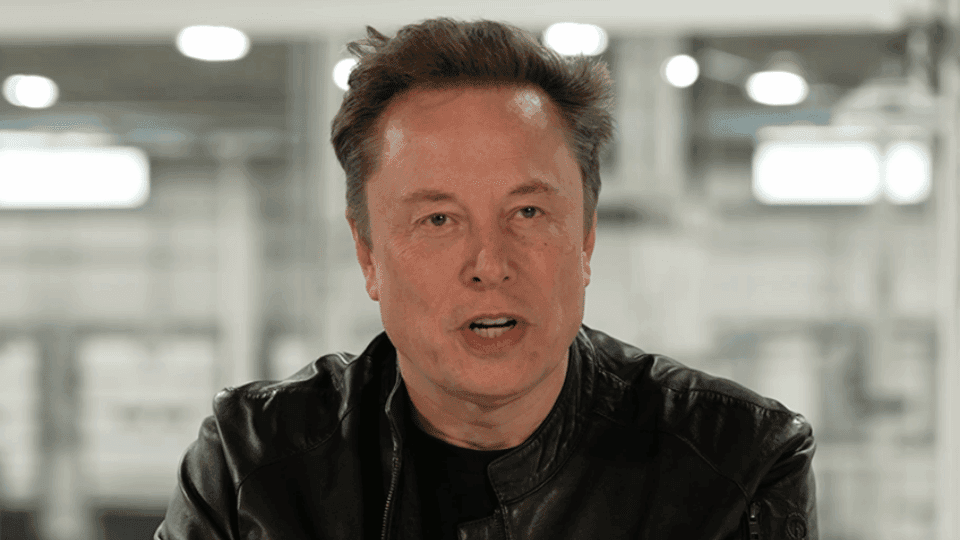
The man leading the charge is Rusyan Poon, a founder who previously built the electric scooter company Spin back in 2017. He later sold that business to Ford and spent time working with automotive tech. When Poon decided to build a new startup, investors jumped at the chance to back him. According to the venture backers, Poon looked into several different software and hardware setups before landing on the idea of space data centers.
The core problem Poon is trying to solve is familiar. The global tech industry has an insatiable hunger for artificial intelligence computing power, but building giant data centers on earth takes a massive toll on power grids and brings endless environmental reviews. Moving servers into orbit offers constant solar energy and removes local cooling issues.
The biggest hurdle has always been the brutal economics of launching hardware into orbit. Traditional rockets make the math impossible for server farms. Orbital is betting everything on SpaceX figuring out its massive Starship rocket. Poon noted that using a Falcon 9 rocket makes space computing completely impossible from a financial standpoint, but Starship changes the equation entirely.
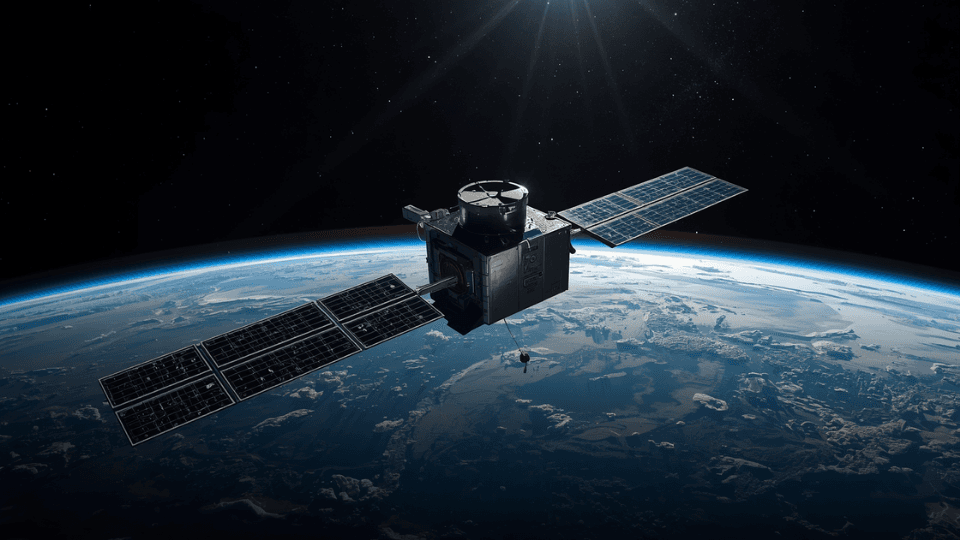
Right now, Poon has a team of about twelve people in Los Angeles, including engineers pulled from Amazon Project Kuiper, SpaceX, and Northrop Grumman. They are building a test flight that will send an Nvidia Blackwell chip into orbit on a partner satellite. This initial run will test how Orbital handles radiation shielding and thermal management in the harsh environment of space. By 2027, the company wants to launch its first dedicated satellite that processes data using Nvidia Vera Rubin chips.
Once that first hardware is up, the company plans to sell piece-by-piece computing work to generate early revenue. This matches the playbook of competitor firms like Skycorp, which already has a graphics processor running in orbit. Orbital wants to scale up to 10,000 satellites to create a distributed gigawatt network. Each individual satellite will need to produce 100 kilowatts of power to keep the servers running.
Other competitors are not even waiting for Starship. Cowboy Space Company, another startup from the same accelerator, recently decided to start building its own custom launch vehicles. Even Jeff Bezos is getting into the game, as Blue Origin recently announced plans to put data centers into orbit using its upcoming New Glenn rocket.
Venture capitalists believe Poon can pull this off because he already managed the complex logistics of deploying 250,000 scooters across 100 cities. Managing hardware in space is a massive ten year challenge that will take billions of dollars, but early investors are completely comfortable with those long timelines. Poon got hooked on the idea after buying an Nvidia A100 chip to run open source AI models in a local data center. That hands-on experience convinced him that hardware is the ultimate bottleneck for the next generation of technology, and now he just needs to get a few thousand chips into orbit.