The Billion Dollar Swap: Satya Nadella Stakes Microsoft’s Future on New OpenAI Terms
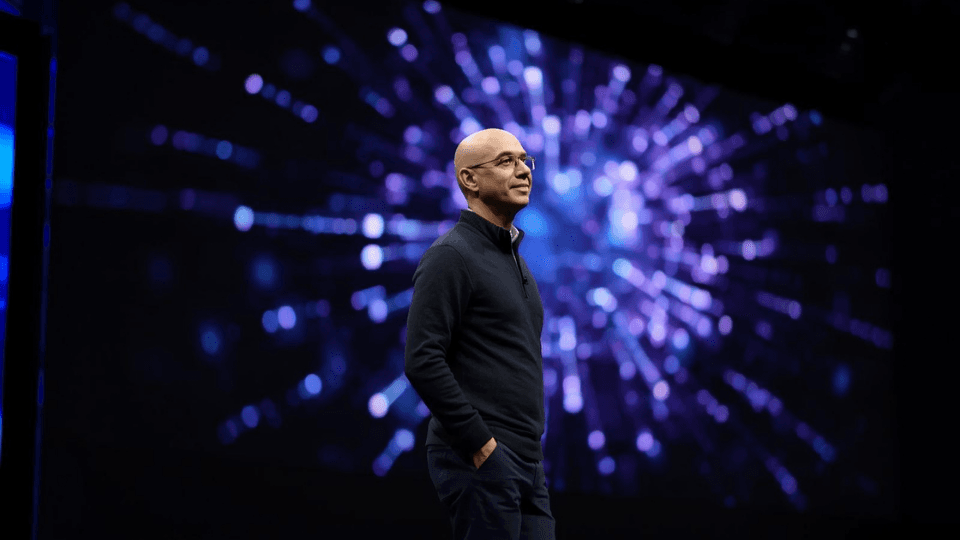
Microsoft is doubling down on its massive bet. On Wednesday, a Wall Street analyst asked CEO Satya Nadella how the updated partnership with OpenAI would hit the company’s bottom line. Nadella did not flinch. He called the new agreement a win for everyone involved. This shift comes at a time when many people wonder if Microsoft is losing its grip on the AI race. Nadella seems to think the opposite is true. He plans to squeeze every bit of value from this deal until at least 2032.
The biggest change in the deal is that Microsoft no longer has exclusive rights to OpenAI’s tech. This news caused a stir because it allowed OpenAI to run straight into the arms of Microsoft’s biggest rivals, Amazon and Google. In fact, OpenAI already started talking about new projects with Amazon’s cloud boss. But Nadella brushed these concerns aside. He pointed out that Microsoft still keeps its access to all of OpenAI’s intellectual property, including their newest models and agent products. Even better for Microsoft, they no longer have to pay OpenAI for that access.
Following the Money Trail
Microsoft is not just a partner; it is also OpenAI’s landlord. Nadella noted that OpenAI is a huge customer. They pay Microsoft massive amounts of money for AI accelerators and other computing needs. On top of that, OpenAI has committed to buying more than $250 billion worth of Microsoft’s cloud services. This keeps the cash flowing back to the Redmond giant regardless of who else uses OpenAI’s tools.
Microsoft also owns a 27% stake in the AI startup. When OpenAI wins, Microsoft’s equity grows in value. This creates a safety net for the company. Even if OpenAI helps other tech giants, Microsoft still gets a piece of the pie. The company’s AI business is already booming. They reported that their AI wing has reached an annual revenue run rate of $37 billion, which is a 123% jump over last year. These numbers suggest that Microsoft is doing just fine even without total exclusivity.
Giving Power to the Customer
Nadella also argued that big businesses do not want to be stuck with just one AI model. He says companies want to mix and match different tools for different jobs. Because of this, Microsoft offers a wide range of models beyond just GPT. They provide access to Anthropic, open-source options, and their own tech. More than 10,000 customers already use more than one model through Microsoft’s platform.
By letting OpenAI work with others, Microsoft is basically saying they are confident enough in their cloud infrastructure to compete with anyone. They are betting that their scale and broad range of choices will keep customers coming back. Only time will tell if letting go of exclusivity was the right move, but for now, Microsoft is keeping its eyes on the profits. They are moving forward with a plan that prioritizes cloud growth and massive data center deals over keeping OpenAI all to themselves.