






















































Apple’s Quiet Riot: How AI Saved the Mac and Shocked Wall Street
Apple just dropped its latest earnings report, and while the iPhone is usually the main event, the Mac stole the show this time. Investors went into the quarter expecting the Mac to bring in around $8 billion. Instead, Apple reported a solid $8.4 billion for the quarter ending March 28. This is a big win for a part of the business that many thought had cooled off. Before this, people expected Mac sales to stay flat. Instead, they jumped 6% over the last year.
The company’s total revenue hit $111.2 billion, which is a 17% increase from the same time last year. Even though Apple launched the new MacBook Neo, that computer was only on sale for a few weeks before the quarter ended. This means most of those $8.4 billion in sales came from older models or early birds who jumped on the Neo right away. Realistically, many of those orders are still shipping out, so we might see even bigger numbers in the next report.
The AI Machine You Didn’t See Coming
During a call with analysts, Tim Cook admitted that demand for the new MacBook Neo was “off the charts.” He said the interest was much higher than Apple expected. He also pointed out that Apple set a record for new customers buying a Mac for the first time. Why the sudden rush? It turns out people are buying Macs to run local AI models like OpenClaw.
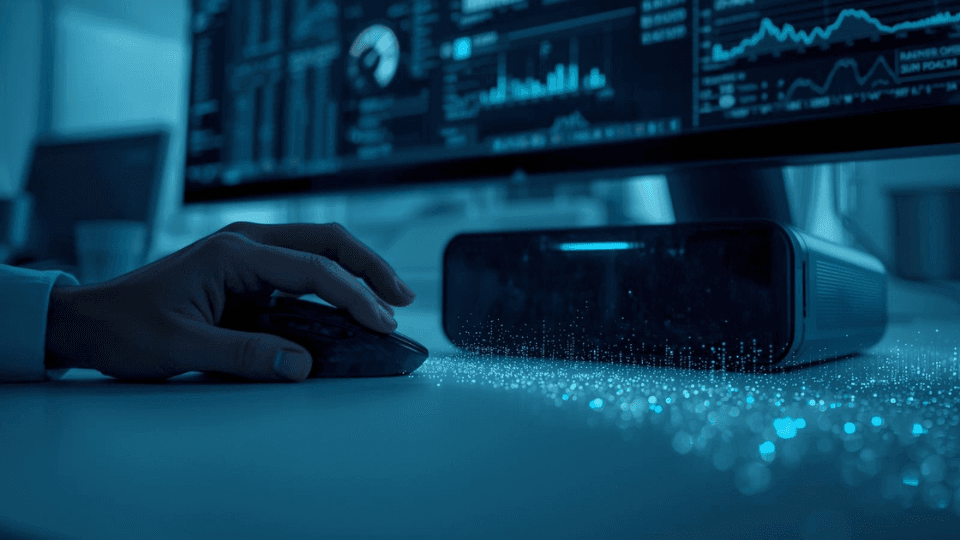
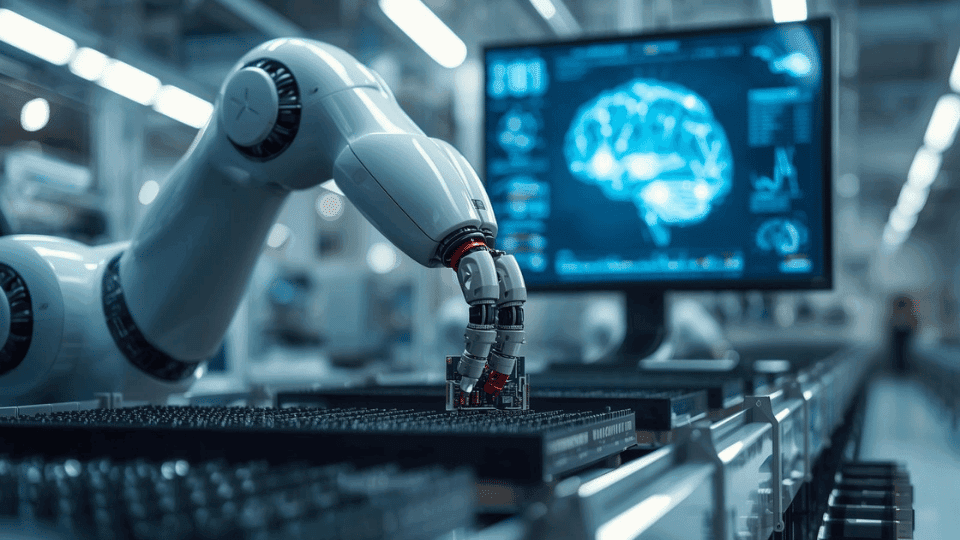
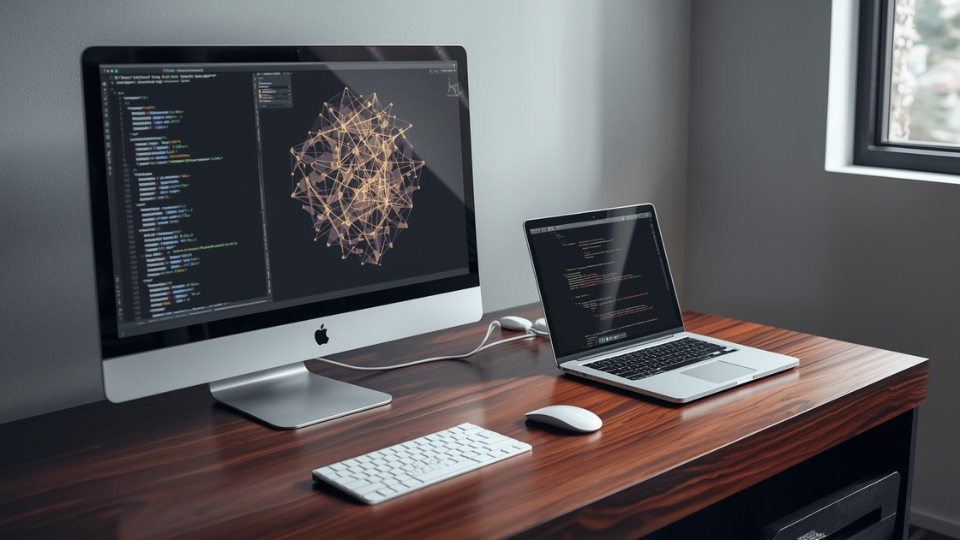
This trend caught Apple off guard. The company found that both the Mac mini and the Mac Studio are selling out because they are perfect for AI and “agentic” tools. These are programs that don’t just answer questions but actually do work for you. In China, the Mac mini became the top-selling desktop because everyone is in a frenzy to build with OpenClaw.
Running Out of Stock
While selling out sounds like a good problem, it means Apple can’t keep up. Mac revenue was flat compared to the previous quarter, which tells us that Apple is struggling to make enough computers to meet this new demand. Cook said it might take several months to get enough Mac mini and Studio models on shelves to satisfy everyone.
This isn’t a problem with the parts or the factory. Apple simply under-called how many people would want these machines for AI work. It’s not just individuals, either. Big companies like Perplexity are moving to the Mac as their favorite way to build high-end AI assistants. Even schools are getting in on it. Kansas City Public Schools recently ditched Chromebooks to buy MacBook Neo models for their students.
Apple is currently “supply constrained,” which is a fancy way of saying they have a line out the door and an empty warehouse. As more people realize that a Mac is a powerhouse for AI, Apple has to figure out how to build them faster. This shift marks a new chapter for the Mac. It is no longer just a tool for designers or students; it is becoming the engine that powers the next wave of artificial intelligence.