Digital Oil: How Wall Street is Turning AI Tokens into the Next Major Commodity
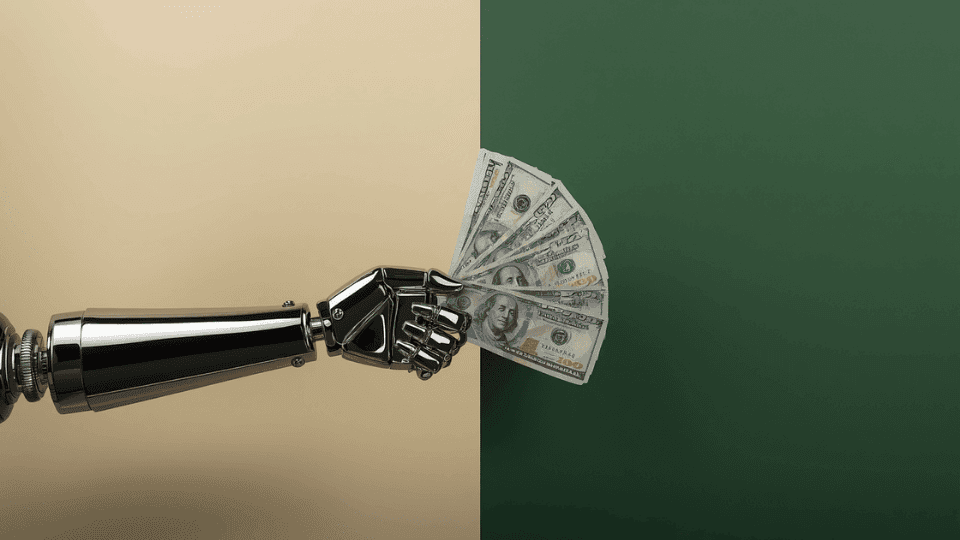
We are about to see a massive shift in how the world buys and sells computing power. Historically, financial traders focused on physical resources. People trade futures contracts for barrels of oil, ounces of gold, and bushels of wheat. Soon, they will do the exact same thing with artificial intelligence tokens and server hardware rentals. The core building blocks of modern technology are officially becoming a global commodity.
Financial groups are currently rushing to build the necessary infrastructure to support this new trading environment. Recent reports show that China’s Shanghai Futures Exchange is actively designing a derivatives market specifically for AI tokens. Meanwhile, major players in the United States are making similar moves. CME Group and the Intercontinental Exchange, which owns the New York Stock Exchange, are both developing futures contracts based on renting graphics processing units.
To understand why this is happening, you have to look at the current state of the hardware market. Companies across the globe are scrambling to secure the processing power needed to run complex AI models. Right now, there is an active spot market for GPU rentals. People generally rent this hardware by the hour. Data from AI Mining Co. tracks these daily rental prices across 28 different marketplaces and cloud providers. The numbers fluctuate wildly based on supply and demand.
For example, median prices to rent an Nvidia H100 GPU usually range from $1.40 to $4.27 per hour. If you want the newer H200 models, you can expect to pay between $2.34 and $5 per hour. Just over the past week, average prices for the H100 hovered around $3.00. That level of price volatility creates a nightmare for companies trying to plan long-term technology budgets.
While the market for renting physical hardware is maturing, the market for the actual AI output remains fractured. Most enterprise AI companies charge their customers using a metric called tokens. A token is basically a tiny chunk of a word that the AI processes. OpenAI currently charges $5 per million input tokens and $30 per million output tokens for its GPT-5.5 model. Major cloud providers like Amazon use a similar token-based pricing system for their Bedrock platform.
This is where futures contracts come in. Airlines buy oil futures to lock in fuel prices so a sudden spike in crude oil does not bankrupt them. Tech companies will soon do the exact same thing with their server costs. By trading AI token derivatives on the Shanghai exchange, a software company can lock in a specific price for computing power months in advance. Investors get a new asset class to trade, and businesses get a way to hedge against skyrocketing compute costs.
This financial evolution is happening right alongside an unprecedented physical buildout. Private equity firms and cloud service providers are pouring hundreds of billions of dollars into new data centers. Everyone expects the demand for compute power to keep climbing. We are also seeing a new wave of specialized neocloud companies popping up. Some focus entirely on inference tasks, while others try to steal market share directly from massive giants like Oracle, Amazon Web Services, and Google Cloud.
Computing power is no longer just a service you subscribe to online. It is a raw material. And very soon, you will be able to trade it just like gold.