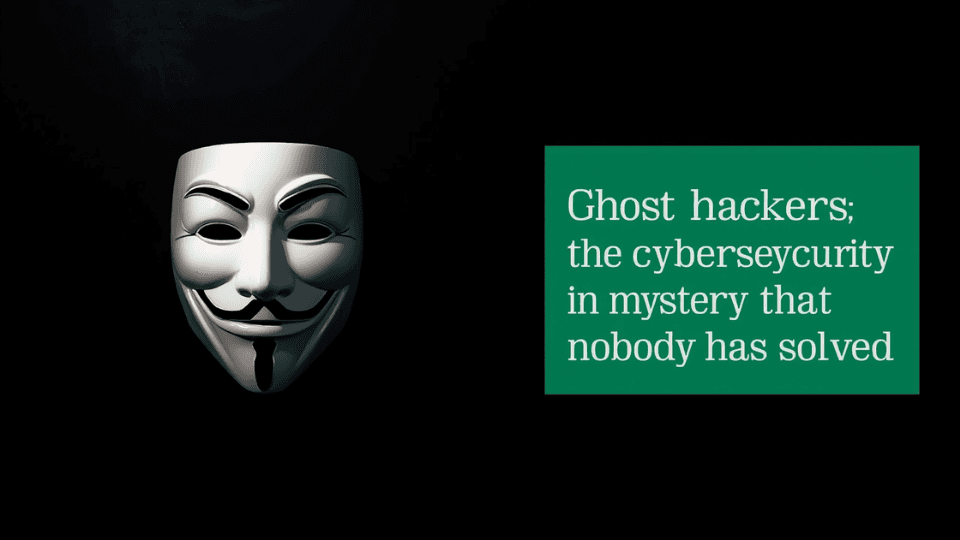
Phantom Operators: The Unsolved Cyber Heist That Broken Global Intelligence
The history of digital espionage features plenty of massive corporate data breaches where the bad actors eventually get caught. Law enforcement frequently tracks down prolific extortion rings like Lapsus$, cuffs their members, and tears down their server infrastructure. Government agencies routinely identify, name, and indict state-sponsored hacking syndicates from nations like Russia and China, placing top hackers on international most-wanted lists. Yet, the single most damaging intelligence breach in corporate history remains completely unsolved. Ten years after a mysterious group derailed global security, we still do not know who they are, how they stole the data, or why they did it.
The mystery began in the summer of 2016 during a chaotic United States presidential election cycle. An anonymous account using the handle The Shadow Brokers suddenly surfaced on the internet. The creators behind the account began tagging major news outlets and political journalists in public social media posts. Most media teams ignored the messages as typical internet spam. But the few who clicked the attached link found a encrypted file containing a document titled “Equation Group Cyber Weapons Auction – Invitation.”
Stealing the NSA’s Best Weapons
The underlying message was terrifyingly simple. The hackers claimed they had successfully penetrated the Equation Group, an elite, highly secretive cyber warfare unit widely known to be operated directly by the National Security Agency. The Shadow Brokers were putting the NSA’s private, top-secret hacking tools up for sale to the highest bidder, demanding a starting price of one million Bitcoin.
To prove the files were legitimate, the group published a free sample of the stolen code. When private cybersecurity firms and government researchers analyzed the leaked data, a wave of panic hit the tech sector. The files contained incredibly sophisticated, weaponized code that could bypass security on millions of computers worldwide. The software toolkit used precise internal names and project code words that perfectly matched the top-secret intelligence slides previously exposed by whistleblower Edward Snowden. The source code was real, and America’s most powerful digital weapons were now floating freely on the public web.
Global Chaos and Broken Code
The auction itself turned out to be a distraction. Instead of selling the tools privately, the group eventually dumped the entire collection of cyber weapons online for anyone to download completely free of charge. The impact of that data dump was immediate and catastrophic.
Criminal syndicates quickly grabbed the exposed vulnerabilities to build highly destructive ransomware. A specific exploit in Microsoft Windows, known as EternalBlue, allowed attackers to automatically compromise unpatched computers across a network without any user interaction. North Korean hackers used this code to launch the devastating WannaCry ransomware attack, which paralyzed hospitals, shipping lines, and factories globally. Soon after, Russian state actors modified the same code to create NotPetya, a destructive malware strain that targeted infrastructure across Ukraine, bleeding into global corporate networks and causing an estimated $10 billion in total damages.
A decade later, the true identity of the Shadow Brokers remains a complete black hole. Intelligence experts originally suspected an internal NSA whistleblower or a disgruntled contractor like Harold T. Martin III, who was arrested around the same time for hoarding classified documents at his home. However, investigators found no evidence linking Martin to the online leaks. The prevailing theory among counterintelligence agencies suggests that a sophisticated foreign state intelligence unit staged the entire operation as a psychological stunt to humiliate United States intelligence agencies. By tricking the world into believing a rogue group of everyday hackers pulled off the heist, the real operators managed to walk away completely clean, leaving the global tech sector to pay a multibillion-dollar price for their digital warfare.