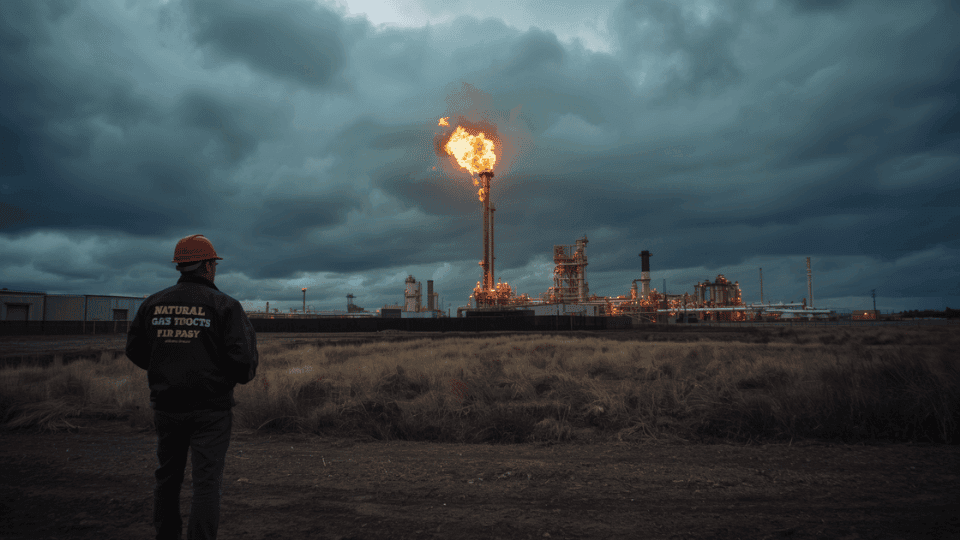
Powering the AI Beast: Meta Ditches Clean Energy Pacts for Natural Gas
Meta quieted its green talk and stepped away from a major international clean energy pledge. After a decade of membership, Mark Zuckerberg company officially split from RE100, a corporate group focused on moving big businesses to renewable power. The departure came right after RE100 tightened its reporting guidelines to hold member companies accountable for their actual energy choices.
The move follows a massive shift in how Meta powers its artificial intelligence projects. Over the past year, Meta backed the construction of at least twelve new natural gas power plants across the country. One project alone will burn enough natural gas to equal the electricity consumption of the entire state of South Dakota.
Meta needs massive amounts of electricity to run the data centers processing its artificial intelligence workloads. While rivals like Apple, Google, and Microsoft remain members of RE100, Meta walked away to pursue its own strategy.
Last year, Meta announced a 200 megawatt natural gas power plant in Ohio to feed a nearby data center. Two months later, the company revealed plans for three additional gas plants in Louisiana to power its Hyperion data center site. By April, Meta added seven more gas power plants to that same Louisiana project. Combined, those ten plants will generate 1.5 gigawatts of electricity.
Despite building gas facilities across multiple states, Meta claims it remains committed to matching its electricity usage with clean and renewable energy. It achieves this balance by buying environmental attribute certificates. Under this offset system, Meta can fund a solar farm in Arizona, claim the clean energy credits, and use those credits to balance out the pollution created by its natural gas plant in Ohio on paper.
While natural gas emits less carbon than coal, it still pumps harmful pollutants into local air supplies. A single one-gigawatt natural gas data center running around the clock releases hundreds of tons of nitrogen oxides, fine particulate matter, sulfur oxides, and carbon monoxide every year. These emissions contribute directly to respiratory illnesses, cardiovascular disease, and other health problems for communities living near these power stations.
Other tech giants are trying different tactics to manage their carbon footprints. Microsoft and Google are attempting to match their data center power usage hour by hour with local clean energy sources. That approach forces companies to build clean power and energy storage near the exact spots where their servers draw electricity from the grid.
Meta is not the only tech giant turning to fossil fuels to meet growing energy demands. Google and Microsoft have also invested in gas infrastructure recently to handle the massive compute loads required by modern software tools. However, Meta aggressive push into gas power combined with its exit from RE100 highlights how far tech companies will go to keep their data centers online.
As tech companies build bigger data centers to train complex software models, energy consumption will keep climbing across the globe. Meta decision to walk away from RE100 shows that real-world power demands are forcing tech giants to choose between strict corporate sustainability pledges and keeping their massive server farms running.