Silicon Cash Machine: Google Cloud Explosion Silences AI Spending Doubters
Alphabet investors spent months worrying out loud that massive artificial intelligence budgets would drain corporate profits without bringing in real cash. Google just silenced those skeptics with its latest earnings report. The company showed that enterprise demand for cloud computing and intelligence tools is exploding, turning heavy hardware investments into hard revenue.
Google Cloud spiked 82 percent compared to the same period last year, reaching $24.8 billion in revenue for the quarter. That figure crushed Wall Street projections, which expected growth to top out around $22.46 billion. Enterprise clients are buying up cloud capacity and infrastructure at record rates, pushing the company total backlog of unearned cloud contracts up to $514 billion. That backlog represents guaranteed future business that Google will convert into recognized revenue as teams run workloads on its servers.
Overall performance across Alphabet surged across the board. Total quarterly revenue grew 24 percent year over year to $119.8 billion, while net profit hit $112.1 billion. The core Google Services division, which handles search and ad tech, jumped 15 percent to $94.5 billion. This quarter marks twelve straight quarters of double-digit revenue growth for the tech giant, proving that core advertising systems remain strong while new cloud services scale up rapidly.
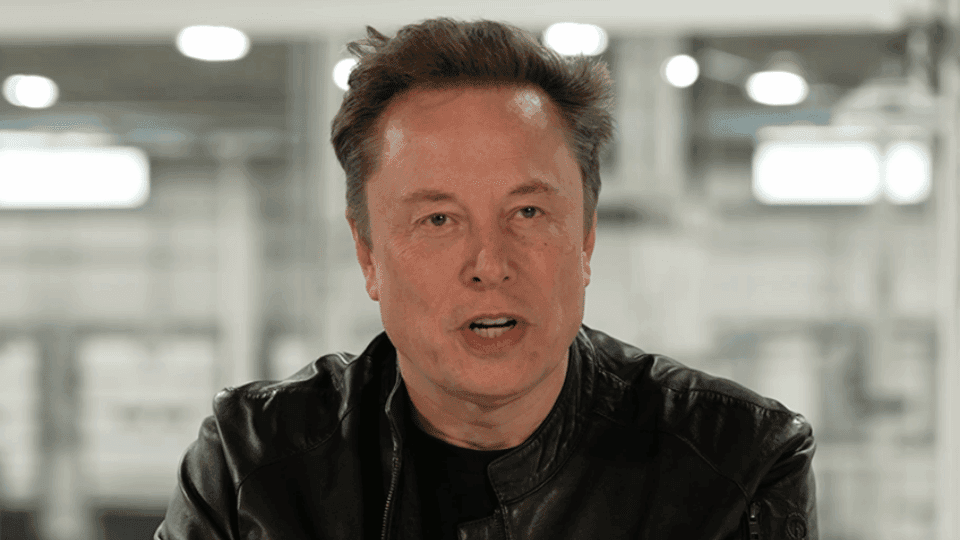
Chief Executive Officer Sundar Pichai told investors on the earnings call that artificial intelligence investments are redefining every branch of the business. Public adoption numbers back up his claims. Google reported that its Gemini assistant now reaches 950 million monthly active users, up from 750 million at the end of 2025. Millions of people interact with the chatbot daily, driving higher server demand and proving that consumer adoption is moving fast.
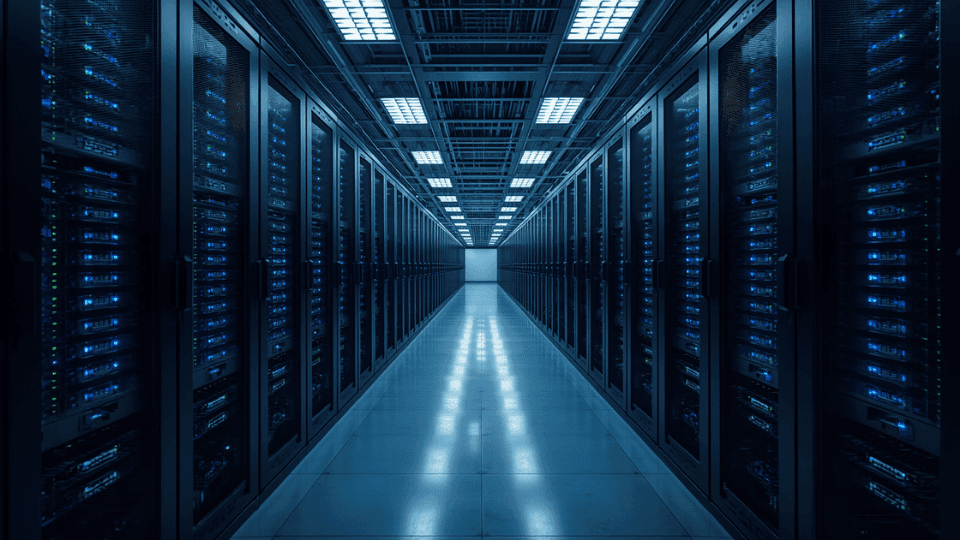
Despite the impressive revenue numbers, Alphabet is not slowing down its hardware spending. Capital expenditures for the year will sit between $180 billion and $190 billion. The company spends those funds on real estate, data center construction, custom silicon processors, and networking gear. Wall Street analysts questioned Pichai directly during the earnings call, asking when those massive capital investments will show full returns.
Pichai responded with confidence, pointing to multi-year contracts and strong customer demand. He explained that long-term enterprise commitments give executive leadership complete clarity to keep building out data centers into 2027 and beyond. The market dynamics look far healthier today than they did a year ago, giving Google the backing it needs to keep expanding its physical compute footprint.
Investors who worried about empty spending now see a clear revenue flywheel. Big tech companies must invest heavily in compute power to handle real-world demands, and Google is proving that enterprise clients will pay top dollar for that capacity.