Regulatory Collision Course: Tesla Targets Year-End Cybercab Deliveries Amid Federal Safety Probes
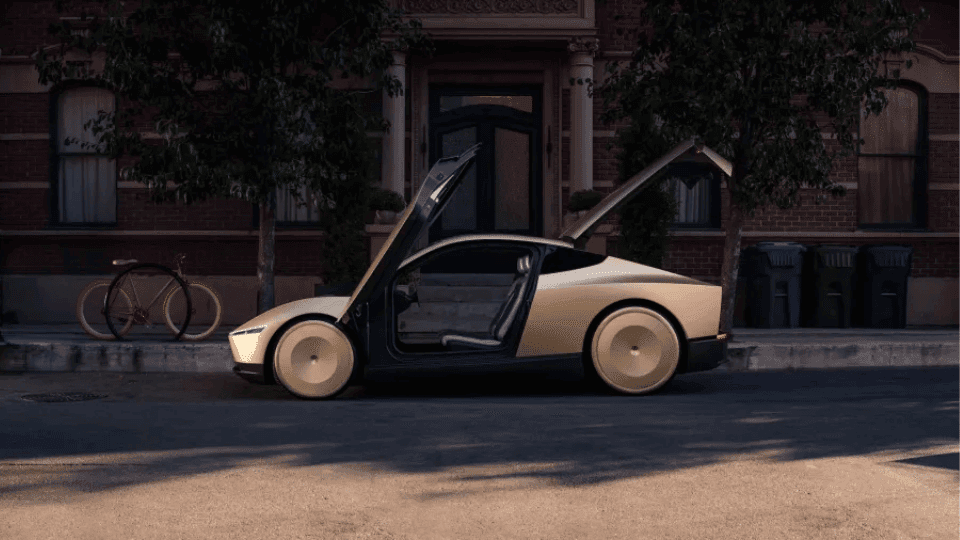
Tesla plans to begin selling its autonomous Cybercab to commercial customers by the end of the year, even as federal safety regulators investigate whether the custom vehicle meets basic road safety standards. The gold-hued, two-seater vehicle features an ultra-minimalist cabin that completely eliminates traditional manual driving controls, including the steering wheel, accelerator pedal, brake pedal, and side rearview mirrors.
During Tesla’s third-quarter earnings call, Vice President of Engineering Lars Moravy stated that initial Cybercab production runs will target internal ride-hailing services and third-party commercial fleet buyers rather than individual retail consumers. Moravy explained that Tesla plans to start selling small quantities to fleet operators while building out software management tools, charging networks, and dispatch systems to handle autonomous vehicle fleets safely. The initial rollout strategy allows Tesla to test commercial ownership models, fleet maintenance routines, and vehicle dispatch logistics in controlled markets before scaling production.
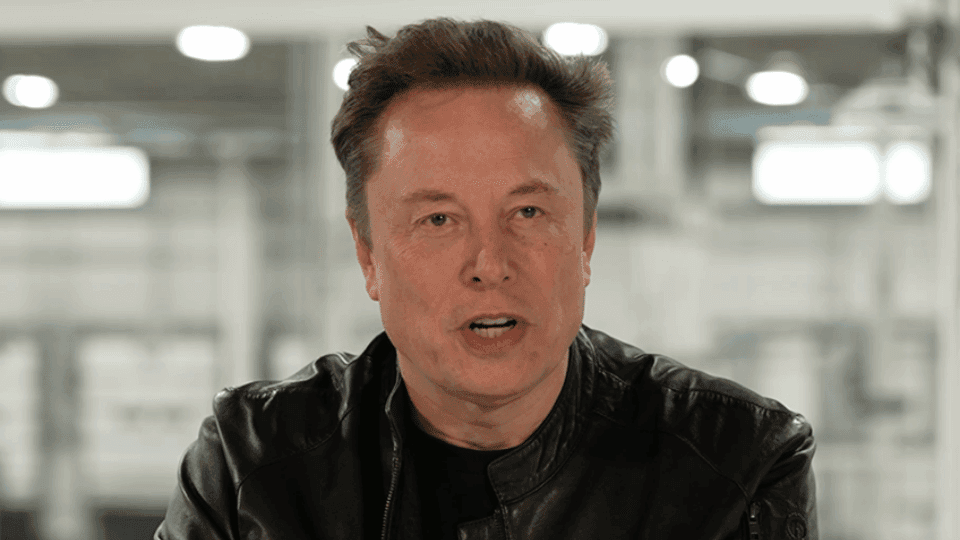
Tesla first floated the idea of selling autonomous vehicles to third-party fleet operators during a dedicated Cybercab showcase in Austin, opening interest forms for buyers wanting to operate private robotaxi fleets. However, Chief Executive Officer Elon Musk clarified that the primary commercial focus centers on operating a massive Tesla-owned ride-hailing network rather than selling individual cars to private buyers. Musk emphasized that while third-party fleets can buy Cybercabs to run local transport services, the vast majority of vehicles will remain directly under Tesla control as part of a integrated mobility service.
Musk also updated timelines for Tesla’s Full Self-Driving software, projecting that an unsupervised version of the software will roll out to existing vehicle owners in the second quarter of next year. If both schedules hold, commercial fleet operators buying the Cybercab will run fully driverless transport services before existing Tesla owners receive unsupervised self-driving capabilities on their personal vehicles. The revised timeline represents another delay for retail customers who purchased or subscribed to Full Self-Driving packages years ago expecting full autonomy on consumer models like the Model 3 and Model Y.
Federal regulatory compliance remains the largest obstacle standing in the way of Tesla’s commercial Cybercab rollout. The National Highway Traffic Safety Administration (NHTSA) opened a formal investigation into the Cybercab shortly after Tesla began operating test fleets on public roads in Austin, Texas. Federal Motor Vehicle Safety Standards (FMVSS) mandate physical manual controls like brake pedals, steering wheels, and mirror assemblies across all production vehicles sold in the United States.
While automakers traditionally self-certify that their vehicles meet federal rules, NHTSA’s audit query forces Tesla to supply technical documentation proving how a vehicle lacking physical controls complies with existing federal laws. The Department of Transportation proposed updating safety standards to accommodate fully autonomous vehicles without manual controls, but those regulatory revisions remain pending. Until federal agencies formally modify existing FMVSS rules or grant explicit regulatory exemptions, Tesla faces severe legal roadblocks to selling or operating vehicles without steering wheels across public roads.
Navigating federal safety rules will dictate whether Tesla can meet its ambitious year-end Cybercab delivery goals. Scaling autonomous transport services requires balancing rapid technical expansion against strict safety checks. As federal investigations unfold, the outcome will set a critical precedent for how autonomous vehicles without traditional controls operate on public streets nationwide.