Global Digital Gridlock: Waves of Zero-Days and Supply Chain Breaches Hit Core Web Systems
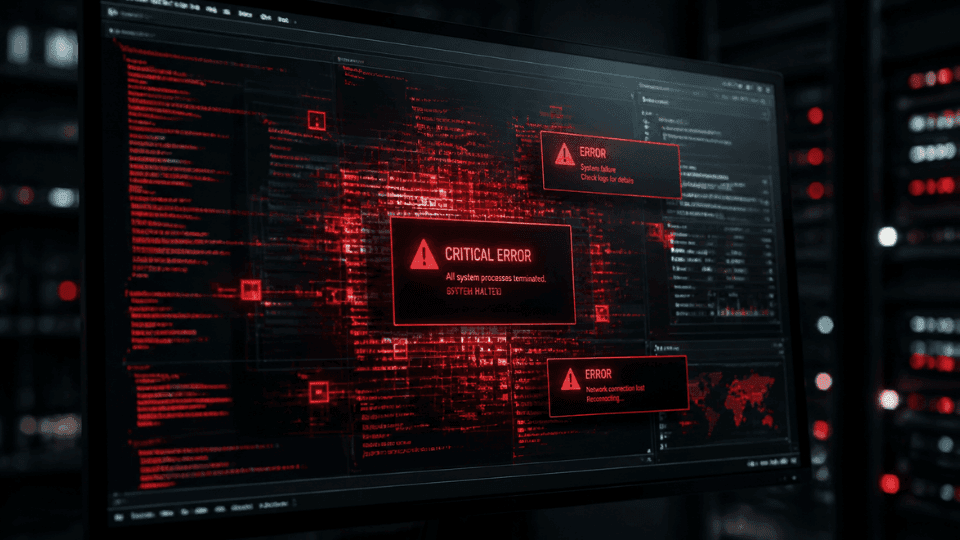
A series of widespread security breakdowns, open-source supply chain attacks, and unpatched software flaws knocked critical web services offline and triggered emergency alerts from international security agencies. Multiple government portals went dark around the world after synthetic vulnerability scanners uncovered critical security flaws in PHP, one of the most widely used server-side programming languages on the web. The underlying flaws posed such severe risks to core web infrastructure that the U.S. National Security Agency issued an urgent advisory instructing system administrators to update PHP immediately or pull vulnerable servers offline until emergency patches could be applied.
Software maintainers faced compounding security issues across other popular developer ecosystems on the same day. Open-source JavaScript runtime environment Node.js published an unannounced security update containing fixes for four high-severity vulnerabilities. One flaw enabled remote code execution on target machines, while two others allowed attackers to bypass Transport Layer Security validation checks, giving threat actors a direct path to fake server identities during encrypted communications.
Simultaneously, a high-profile supply chain compromise hit LiteLLM, a widely adopted open-source proxy package used to route requests across multiple artificial intelligence platforms. An unknown threat actor injected malicious code directly into LiteLLM’s official build releases and uploaded compromised packages to major software repositories, including PyPI, Docker Hub, and GitHub Container Registry. The poisoned code contained automated credential harvesters that searched infected systems for cloud credentials, administrative passwords, and platform API tokens. It also installed a remote access trojan that allowed external operators to execute arbitrary system commands on compromised servers. LiteLLM maintainers removed the affected releases and published step-by-step cleanup guides for impacted software teams.
The cryptographic ecosystem suffered another major blow when Indian certificate authority eMudhra reported a potential breach of its private signing keys. Exposed private keys allow malicious actors to issue fraudulent digital security certificates and impersonate legitimate web domains without raising browser security alerts. Security researchers described the key exposure as an massive cleanup effort comparable to the infamous Heartbleed flaw, requiring trust stores and security software across the globe to revoke affected certificates.
These back-to-back incidents follow a cascade of recent enterprise system breaches across cloud data and remote infrastructure providers. Managed cloud platform TiDB Cloud reported an unauthorized intrusion into its database clusters earlier in the week. At the same time, threat actors actively exploited four zero-day vulnerabilities inside Plex Media Server software, using a chain of flaws labeled Plex2Shell to gain system control over unpatched media servers. Meanwhile, cybersecurity firm BeyondTrust warned enterprise clients that hackers had been actively exploiting a zero-day flaw in its Remote Support platform for over two months before a fix was available.
While these security failures occurred across independent software products and infrastructure providers, their simultaneous arrival underscores the increasing pressure facing modern defense teams. Automated scanning software now uncovers vulnerabilities at speeds that far outpace traditional patch management schedules. As automated tools accelerate exploit discovery across open-source libraries and enterprise software, building rapid incident response workflows, securing build pipelines, and maintaining isolated backup environments become essential for keeping core digital networks online.