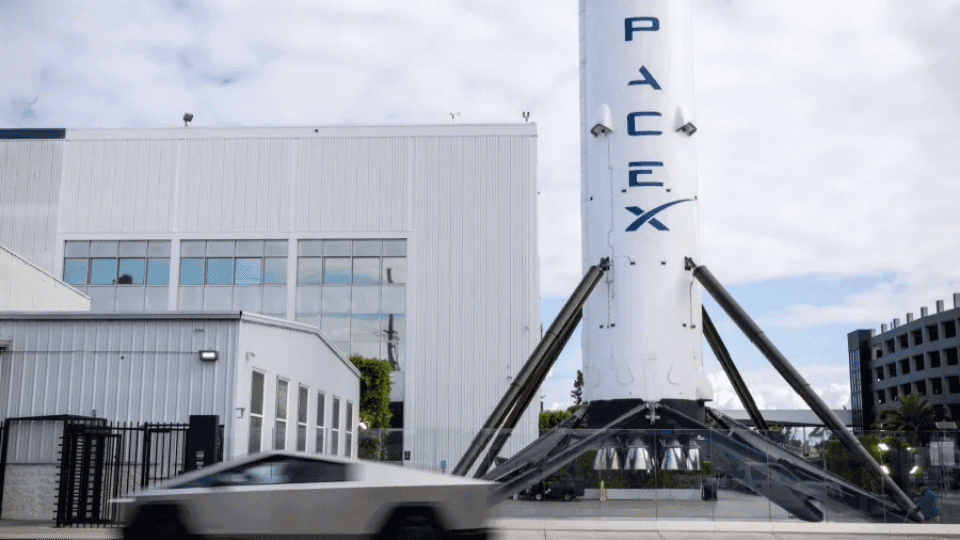
Cosmic Consolidation: SpaceX and Tesla Boards Form Independent Committees to Evaluate Massive Merger Proposal
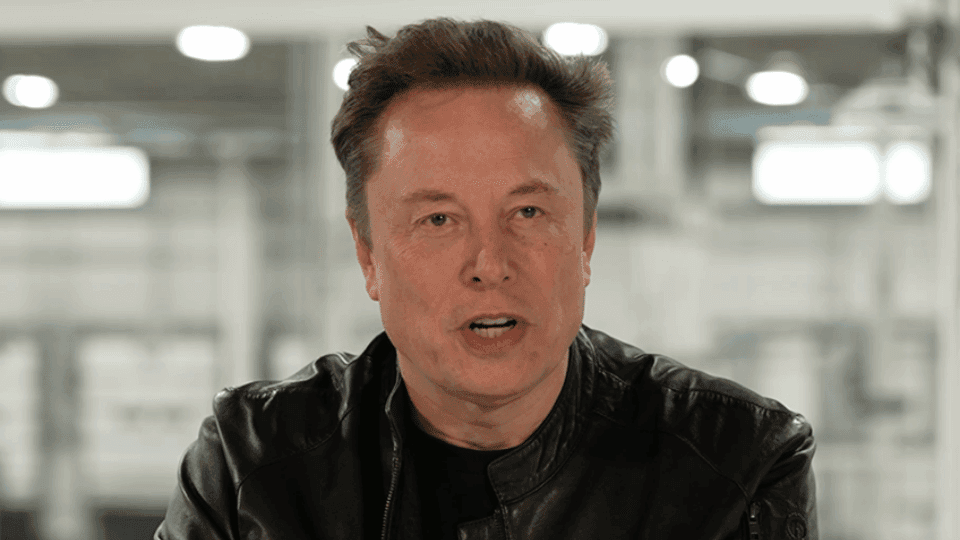
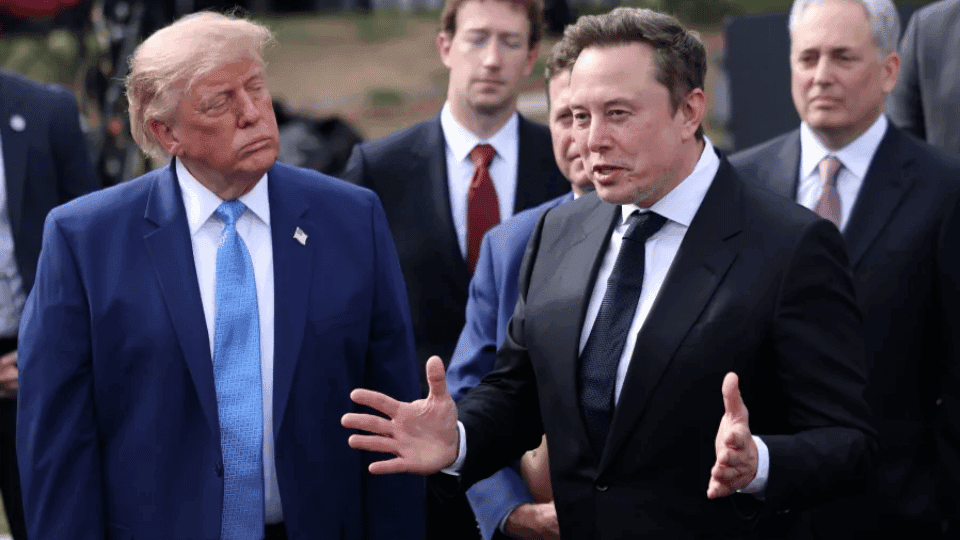
The corporate leadership teams at SpaceX and Tesla formed special independent committees to review a proposed merger between the aerospace manufacturer and the electric vehicle maker. Both companies set up the evaluation groups following formal requests from institutional shareholders. Elon Musk, who serves as chief executive officer and holds the largest individual shareholding in both companies, confirmed the move during SpaceX’s third-quarter earnings call. Musk noted that because he stands as a conflicted party across both corporate structures, he cannot participate in merger negotiations or join committee discussions directly.
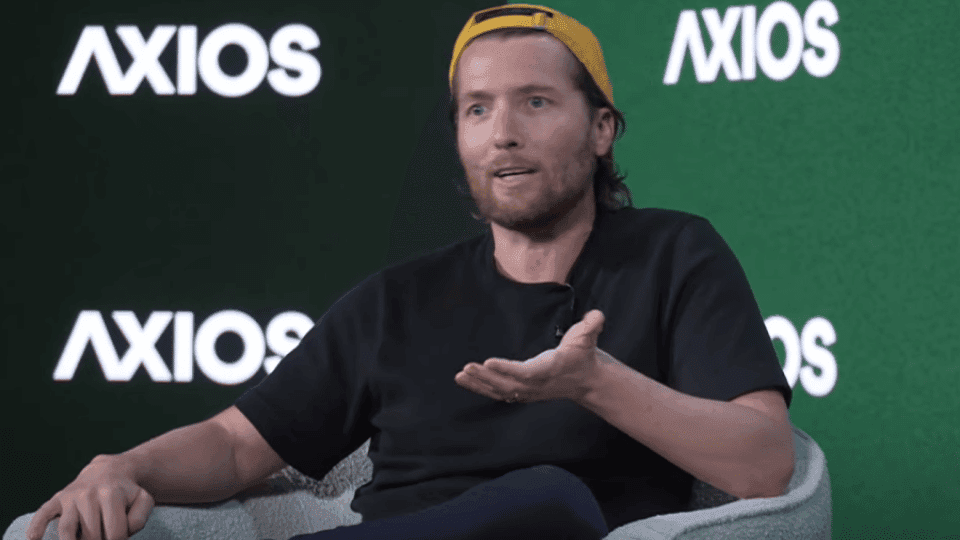
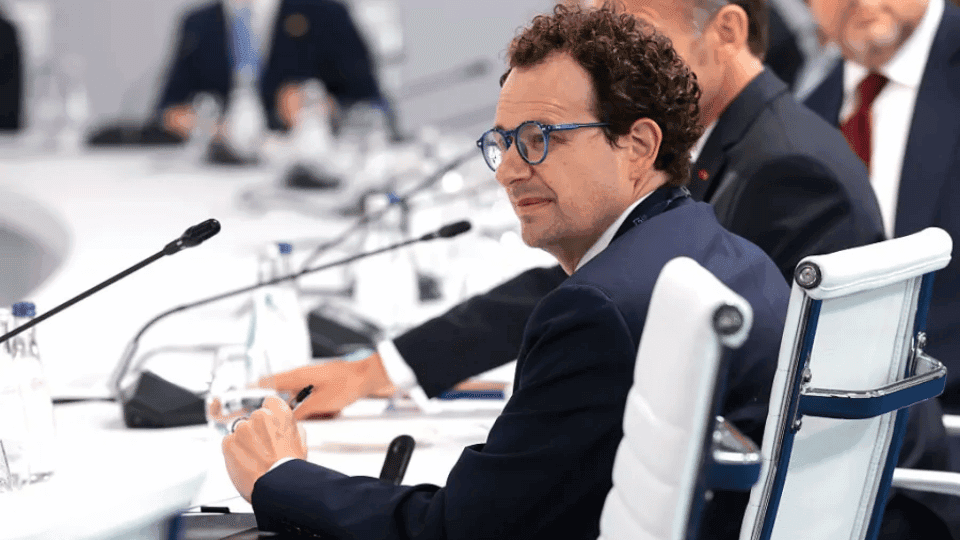
Tesla maintains seven independent board members under Nasdaq exchange rules, including board chair Robyn Denholm, committee chair Ira Ehrenpreis, former Tesla chief technology officer JB Straubel, Joe Gebbia, Jack Hartung, James Murdoch, and Kathleen Wilson-Thompson. Neither Elon Musk nor his brother Kimbal Musk qualify as independent directors under current governance rules. SpaceX lists six independent directors on its corporate board, including Ehrenpreis, Randy Glein, Donald Harrison, Steve Jurvetson, Luke Nosek, and Roelof Botha. Other SpaceX board members include Antonio Gracias, Elon Musk, and SpaceX president Gwynne Shotwell, though none of the three meet independent director standards.
Combining Tesla and SpaceX would create an unprecedented industrial tech giant. Musk highlighted mutual benefits across artificial intelligence software development, specialized manufacturing, robotics production, and orbital compute infrastructure. Active collaborative ventures between the two entities already exist, including SpaceX’s orbital data center project named Starmind and Terafab, a joint chip manufacturing initiative built to produce custom processors for electric vehicles and satellite systems.
Securing approval for a full merger requires passing distinct shareholder voting hurdles across both companies. Musk holds over 50 percent voting control inside SpaceX following its initial public offering, making shareholder approval straightforward on the aerospace side. However, Tesla faces a far tougher vote. Under Tesla’s corporate charter, passing a major merger agreement requires explicit approval from at least 50 percent of all outstanding shares, rather than a simple majority of votes cast at a shareholder meeting.
Special committees at both companies continue early discussions without agreeing to final deal terms, transaction values, or exchange ratios. Musk cautioned investors that combining the companies remains a complex proposal rather than a done deal. Independent directors must evaluate whether merging a publicly traded automaker with a private aerospace firm creates long-term value for Tesla shareholders while protecting SpaceX’s ongoing defense, launch, and satellite communications programs.
Navigating potential conflicts of interest will decide whether the proposed deal moves forward. Financial ties between the two companies already exist, including leaseback arrangements where Valor Equity Partners funded SpaceX AI hardware purchases. Independent board members must scrutinize these existing financial connections, independent valuations, and share exchange ratios to ensure full fairness for public shareholders.
Merging two of the world’s most valuable tech companies would reshape automotive manufacturing, space exploration, and artificial intelligence hardware. Combining SpaceX’s rapid prototyping and satellite network with Tesla’s mass manufacturing capabilities and automated software stack creates an aggressive industrial powerhouse. As independent committees evaluate the proposal, shareholders will ultimately decide whether combining rocket science with electric vehicles delivers sustainable long-term value.