Uber Plots a Self-Driving Takeover in Texas with High-End Robotaxis
The driverless ride-sharing battle is heading south. Uber is expanding its premium autonomous vehicle service to Houston, aiming for a full launch by mid-2027. This move makes the Texas metro the second official U.S. market under a massive joint project that brings together ride-hailing giant Uber, electric vehicle maker Lucid, and self-driving technology developer Nuro.
The strategy follows intense testing and development in the San Francisco Bay Area. The three companies are currently coordinating efforts to open up a robotaxi service in California later this year. While the short-term roadmap targets San Francisco first and Houston second, the long-term plan aims much higher. Executives intend to scale this specific driverless framework across dozens of major cities nationwide over the next few years.
Right now, San Francisco and Houston are the main arenas because they represent massive passenger markets where Uber wants to challenge its main rival, Waymo. Waymo already operates commercial robotaxis in both of these urban centers, so Uber needs a high-end alternative to win back passengers who want autonomous rides.
Nuro has spent months fine-tuning its autonomous driving systems by installing them directly into Lucid Gravity SUVs. They have logged significant test miles on the streets of San Francisco, even giving Uber employees early access to hail these specialized vehicles during pilot runs. However, these SUVs still carry human safety drivers. This remains the case even though Nuro recently secured a critical permit from the California Department of Motor Vehicles that legally allows them to pull human backup operators from the front seats.
To prepare for the public rollout, a combined test fleet of one hundred autonomous vehicles is currently navigating public roads. Safety drivers remain behind the wheel in Houston to gather local road data. Simultaneously, Nuro uses private closed tracks and advanced computer simulations to pressure-test the software before giving everyday passengers total control. The test fleet will grow rapidly as Lucid starts building the first production-ready versions of these robotaxis at its main manufacturing plant in Arizona.
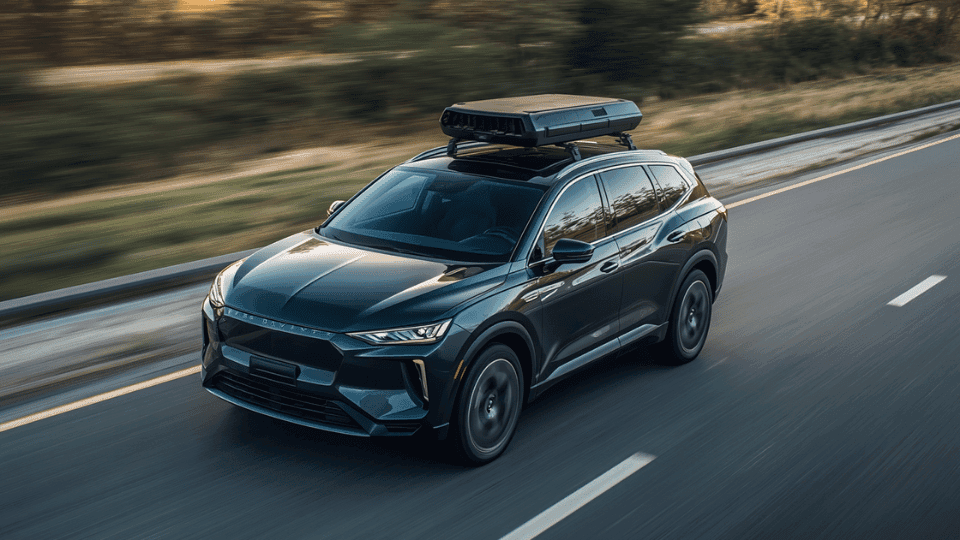
The vehicle itself, a modified Lucid Gravity SUV that debuted in January, features an array of high-resolution cameras, solid-state lidar sensors, and advanced radar systems. This hardware suite map out the physical surroundings so the software can navigate heavy traffic safely. While Nuro manages the driving brain and Lucid handles the physical manufacturing, Uber is designing the passenger space. Uber wants to control the entire in-cabin experience, perfecting how riders interact with the entertainment screens, climate control, and digital door locks during their trips.
Uber is also building physical infrastructure in Houston to support the upcoming launch. The company just locked down a fifty-thousand-square-foot facility that will serve as a central operations depot. This massive hub will handle vehicle maintenance, fleet detailing, and dedicated high-speed charging to keep the electric SUVs powered around the clock.
This partnership serves as a lifeline for both Nuro and Lucid. Nuro executed a major shift in its business strategy back in 2024, moving away from building its own custom delivery vehicles to focus entirely on licensing its autonomous software to outside automakers. Meanwhile, Lucid has struggled to sell its premium consumer electric vehicles at a profitable scale, a common roadblock for EV startups trying to compete against market leader Tesla.
Uber is backing this project with deep pockets, putting roughly five hundred million dollars into Nuro. The ride-hailing company also made a separate five-hundred-million-dollar investment commitment to Lucid, pledging to buy at least thirty-five thousand robotaxi-ready vehicles as the service scales up.