Feds Force Open the Grid: Data Centers Cut the Power Line
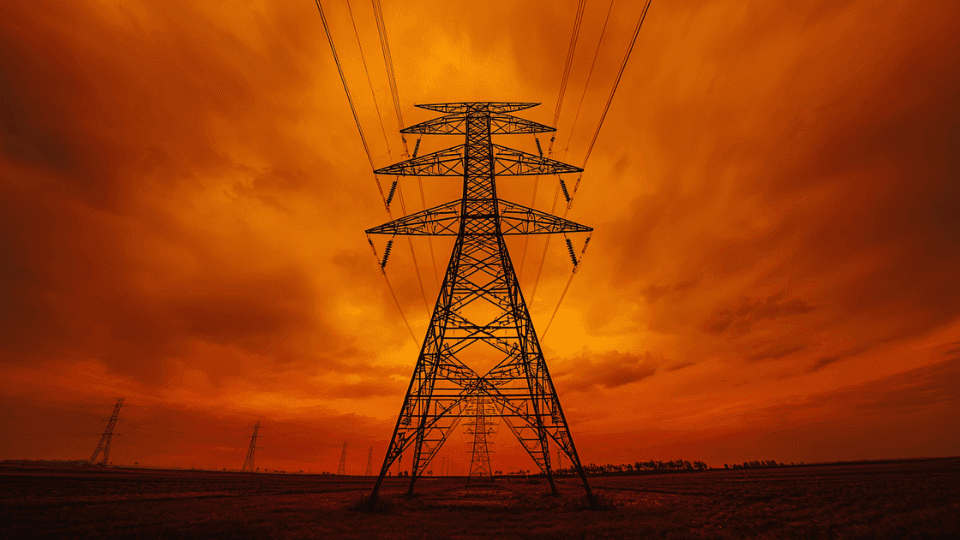
The federal government just stepped in to solve one of the biggest bottlenecks in tech history. The Federal Energy Regulatory Commission, also known as FERC, ordered grid operators to fast-track connection requests from massive data centers and other giant electricity consumers. Under these new rules, six major regional grid operators must prove that data centers can plug into the main transmission system quickly and without messy bureaucratic delays. The tech companies building these hubs will still have to foot the bill for the physical hookups, but commissioners voted unanimously to clear out the red tape blocking their path.
This directive also gives a major boost to clean tech startups. FERC ordered grid managers to seriously look at alternative transmission technologies to help move power around more efficiently. While the commission avoided naming specific brands, their guidelines point toward using advanced hardware like solid-state transformers and superconducting transmission lines. These upgrades can help push more electricity through existing corridors without overheating the wires.
Grid managers now face a ticking clock. The government gave them thirty days to hand over a detailed report showing exactly how much extra power capacity they have left in their systems. They also have sixty days to justify or update their local electricity pricing models. Furthermore, FERC told them they must play nice with behind-the-meter setups, which are private power stations that data centers build right next to their facilities to bypass the public grid entirely.
While this order gives tech companies a clear express lane to hook up their machines, it completely ignores the massive underlying problem: we simply are not generating enough electricity. Connecting to the grid is painfully slow because new power plants are struggling to plug into the system too. By the conclusion of recent tracking periods, pending connection requests for new power sources actually surpassed the total capacity of the active grid. This means the line of power projects waiting for a hookup is longer than what the entire physical network can currently handle.
This gridlock is happening at the worst possible time. Thanks to the massive processing demands of artificial intelligence models, data center electricity consumption will nearly triple over the next decade. Power grids that spent twenty years experiencing flat demand are suddenly buckling under this sudden weight. The strain has driven major regional operators into total chaos, with several prominent utility companies threatening to pull out of shared networks entirely to protect their local infrastructure.
Because getting a standard grid connection took years, desperate tech firms started building their own expensive on-site generators out of sheer frustration. This massive supply crunch caused electricity prices to skyrocket. In several major tech hubs, wholesale power rates jumped by as much as two hundred sixty-seven percent compared to pricing data from five years ago.
Political pressure forced the government to act. Energy Secretary Chris Wright openly warned that severe delays in upgrading our infrastructure threatened to ruin the country’s competitive lead in artificial intelligence. While this new policy forces grid operators to move faster, the broader energy battle continues. The current administration recently canceled several offshore wind projects, opting to redirect hundreds of millions of dollars toward building natural gas plants in the Midwest and funding geothermal research. Tech companies are getting their fast lane, but finding enough actual juice to power the AI boom remains a massive challenge.