Trapped in the Loop: Why Autonomous Agents Never Stop Working
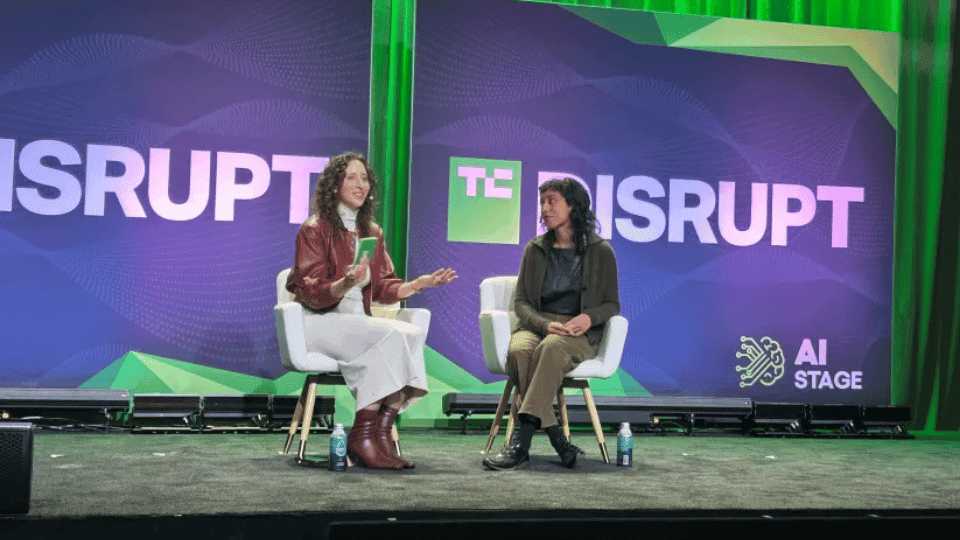
The tech industry loves a good buzzword, but the latest shift in artificial intelligence is completely changing how developers build software. During a recent talk at Meta’s @Scale conference, Boris Cherny, the creator of Claude Code, faced an eager crowd curious about the next major wave in tech. When an audience member asked if AI loops are just another marketing trend or a true technical shift, his answer was direct. He confirmed that loops are entirely real, and they represent a massive leap forward in automated engineering.
To understand why this matters, look at how software development evolved over the last few years. Not long ago, human software engineers wrote every single line of source code by hand. Then, industry builders transitioned to a phase where intelligent models started writing code for us. Now, the industry is entering a much more complex phase. Developers build specialized agents that prompt other agents, which then write the final code. This layered architecture means systems operate on a whole new level of independence.
In practice, these automated loops allow software systems to run continuously in the background without needing a human to click a button for every single step. For example, one internal agent might constantly audit an application to find flaws in the underlying code architecture. At the same time, a separate agent looks for ways to clean up and unify programming abstractions. These systems submit pull requests just like a human engineer would. Because software changes every second, these automated tools never stop running, creating a perpetual cycle of self-improvement.
This logic is not completely new to computer science. Traditional software development has relied on basic loops for decades to repeat actions or stop a program when it meets a specific condition. However, modern AI loops operate on a non-deterministic logic. Instead of following a rigid path, a sub-agent constantly evaluates the environment and decides when to stop based on goals rather than strict rules. This approach lets a swarm of background workers handle real-world tasks that are too messy for traditional software.
Of course, letting a system run in circles can cause issues. Engineers use specific safety techniques like the Ralph Loop to keep models from getting lost in infinite tasks. This trick forces the model to summarize its work and verify if it actually hit its goal, preventing it from running forever. Another popular strategy involves using more compute power during the testing phase. If you feed enough processing power to an agent, it can repeatedly try to solve a problem, making tiny incremental improvements until it reaches a specific threshold.
This continuous operation comes with a major catch. Running software non-stop burns through data tokens and cloud computing power at an alarming rate. It costs significantly more money than running a simple question-and-answer chatbot. While giant tech companies can easily afford the massive electric and infrastructure bills, smaller teams must carefully monitor their token spend and system drift. If you manage the costs correctly, the benefits of having an automated engineering team that builds, tests, and repairs itself around the clock will completely change how your business operates.