Hidden Thirst: The Truth About Nvidia’s Plan to Dry Up AI Data Centers
Nvidia just announced a new warm water cooling setup that it claims can practically wipe out water use inside data centers. According to the company’s sustainability team, this system essentially solves the local water consumption problem. But if you look at the entire picture, this tech only fixes a small fraction of the environmental damage. The savings stop right at the facility walls because of where the energy comes from.
The real issue boils down to how Nvidia measures data center water use. The company draws a tight boundary around the physical server building. Everything inside that boundary gets tracked, but everything outside gets completely ignored.
To be fair, Nvidia’s closed loop setup does do what it promises inside the building. The cooling liquid fills the system once and keeps spinning for the entire lifespan of the facility. Because the liquid recirculates constantly, the data center does not need to draw fresh water to cool the hot chips. In areas with mild or cool weather, this can mean a one hundred percent reduction in on-site water use.
The new design works by pumping coolant into server racks at forty-five degrees Celsius. While that temperature feels incredibly hot to a human, it is perfectly fine for artificial intelligence silicon. After flowing past the processors, the liquid leaves the racks at fifty-five degrees Celsius. At that heat level, normal outside air can pull the warmth away using basic passive radiators. This means you do not need evaporative cooling towers, large chillers, or massive banks of loud fans. The facility ends up quieter and uses less internal power.
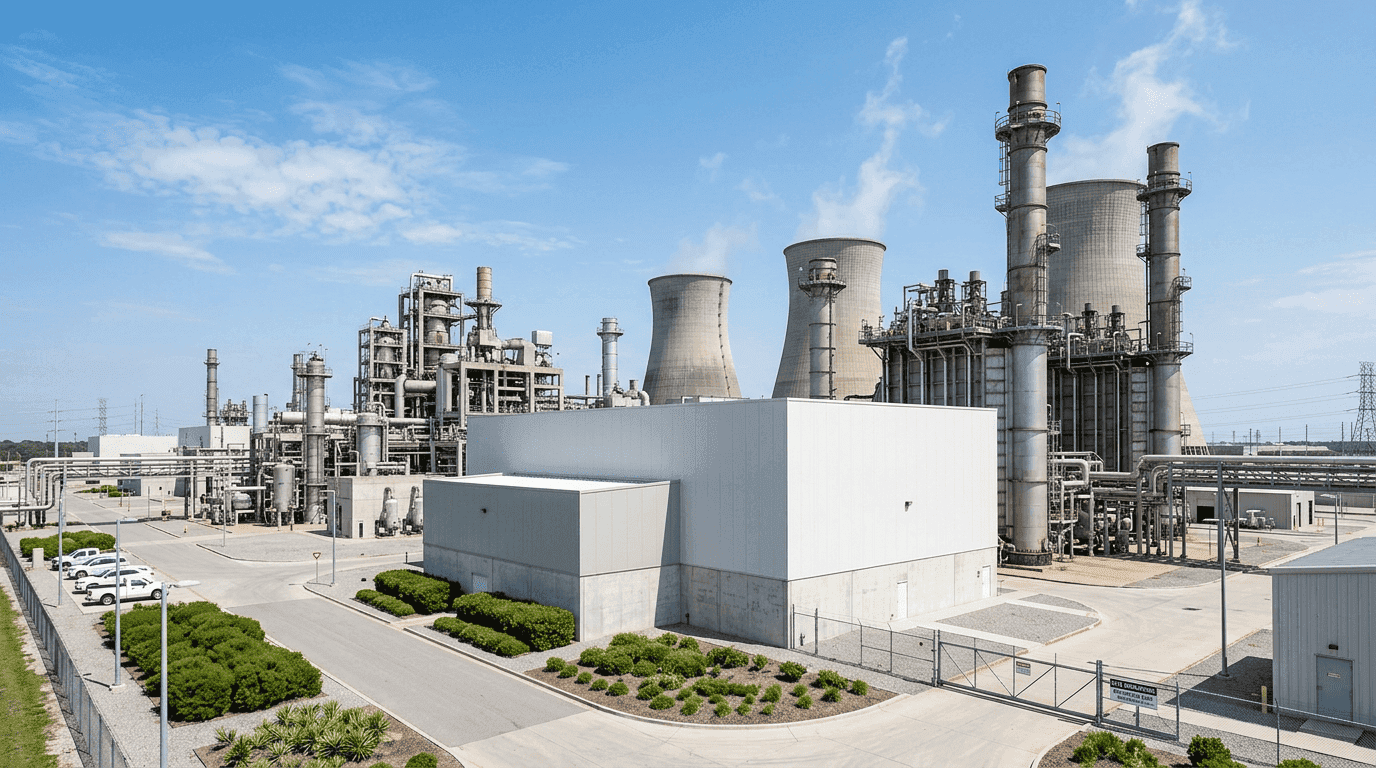
The actual catch lies in the massive power grid. Data centers cannot run without a massive, constant supply of electricity, and the power plants generating that electricity drink incredible amounts of water. Off-site water use from power generation can double or triple the total water footprint of an average facility. Because of this, Nvidia’s clever on-site fix only addresses about a quarter to a third of the actual fluid consumption tied to AI tasks.
Fossil fuel facilities are some of the heaviest water consumers in the country, burning through billions of gallons every single day for evaporative cooling. Natural gas plants consume over a liter of water for every single kilowatt-hour of electricity they produce. Coal plants are even worse, using over two liters per kilowatt-hour. Since fossil fuels still generate roughly half of the power for global data facilities, the indirect water drain remains massive.
Even cleaner options have hidden costs. Hydropower dams supply a good chunk of data center energy, and while they do not boil water away in a pipe, their massive open reservoirs lose millions of liters to daily evaporation. Clean energy alternatives like solar and wind use almost no water at all, but grid transitions take a long time. Experts predict that fossil fuels will still handle a massive share of the new electricity load needed to meet tech demands through the end of the decade. Until tech companies change where they buy their power, data centers will keep draining rivers and lakes, no matter what kind of clever plumbing Nvidia installs inside the server room.