Betting on the Stars: The Wild Tech Speculation Anchoring the SpaceX IPO
SpaceX is sprinting toward its historic public market debut this Friday, and investor appetite has completely overwhelmed the initial $75 billion stock offering. Reports show that massive institutional buyers have already locked down staggering $10 billion investment blocks inside Elon Musk’s empire. This frantic scramble displays an intense mix of profound market confidence and severe fear of missing out.
While everyday enthusiasts cheer the launch, independent financial institutions urge intense caution. Financial research group Morningstar pegs the actual baseline value of the company at roughly $825 billion. Meanwhile, NYU finance professor Aswath Damodaran calculates the enterprise value closer to $1.2 trillion. Both standalone figures sit significantly below the massive $1.8 trillion market cap currently implied by the underwriting investment bankers. According to financial analysts, this staggering valuation gap represents a massive $72 per share call option on Musk’s ability to successfully deliver a brand-new concept: orbital data centers.
While SpaceX’s core space launch division and its Starlink satellite internet network produce healthy, highly predictable profit margins, its ambitious artificial intelligence infrastructure strategy remains entirely speculative. The entire multi-billion-dollar valuation gap relies on the firm successfully pulling off three near-impossible, hard-tech engineering feats.
The first massive gamble relies on perfecting a fully reusable rocket architecture via Starship. The second hurdle requires constructing an entirely new, highly advanced domestic chip foundry from scratch, a highly secretive manufacturing project known internally as Terafab. The third and final milestone demands an unprecedented acceleration in satellite production.
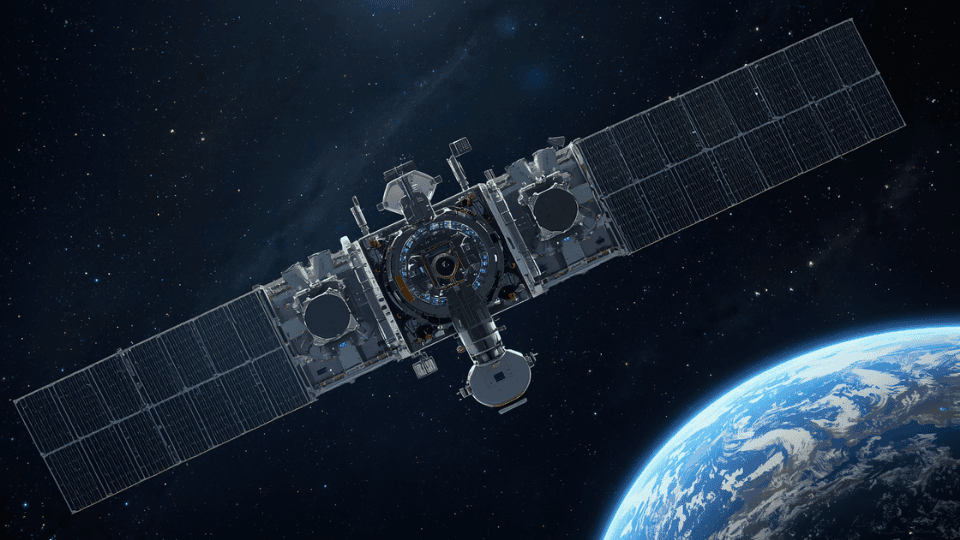
To hit Musk’s aggressive stated goal of delivering one gigawatt of annualized space AI computing power by the end of next year, the company must build, launch, and configure roughly 556 advanced hardware satellites every single month. That volume requires doubling current Starlink manufacturing outputs using a dedicated production facility that the company has not even started building yet.
If the startup successfully navigates these production bottlenecks, the payoff will be historic. The company intends to deploy these floating server farms to sell raw computing power directly to external tech giants. SpaceX is already positioning this infrastructure as an alternative to earth-bound server farms, which face growing limitations from electrical grids and cooling regulations. Both Anthropic and Google have already signed massive data center rental agreements with Musk’s team, showing that major buyers are willing to pay a premium for hardware access ahead of the public stock offering.
However, the path forward remains highly perilous for early stock buyers. Outside of the severe technical manufacturing hurdles, geopolitical roadblocks are already emerging to challenge the company’s aggressive growth narrative. Just days before the public listing, the Indian government suddenly put a freeze on Starlink’s highly anticipated local launch due to unexpected national security reviews. This stall threatens a massive, fast-growing consumer market. Furthermore, political figures like Senator Elizabeth Warren have formally petitioned the Securities and Exchange Commission to halt the IPO entirely, citing deep concerns over corporate governance, massive insider stock packages, and speculative valuation models. For individual investors, buying into the listing means making a massive, unproven bet that space technology can scale fast enough to solve the global AI infrastructure squeeze before the current market hype cycle runs out of steam.