Beyond the Chatbox: Nvidia Plots a Global CPU Takeover with Intelligent Agent PCs
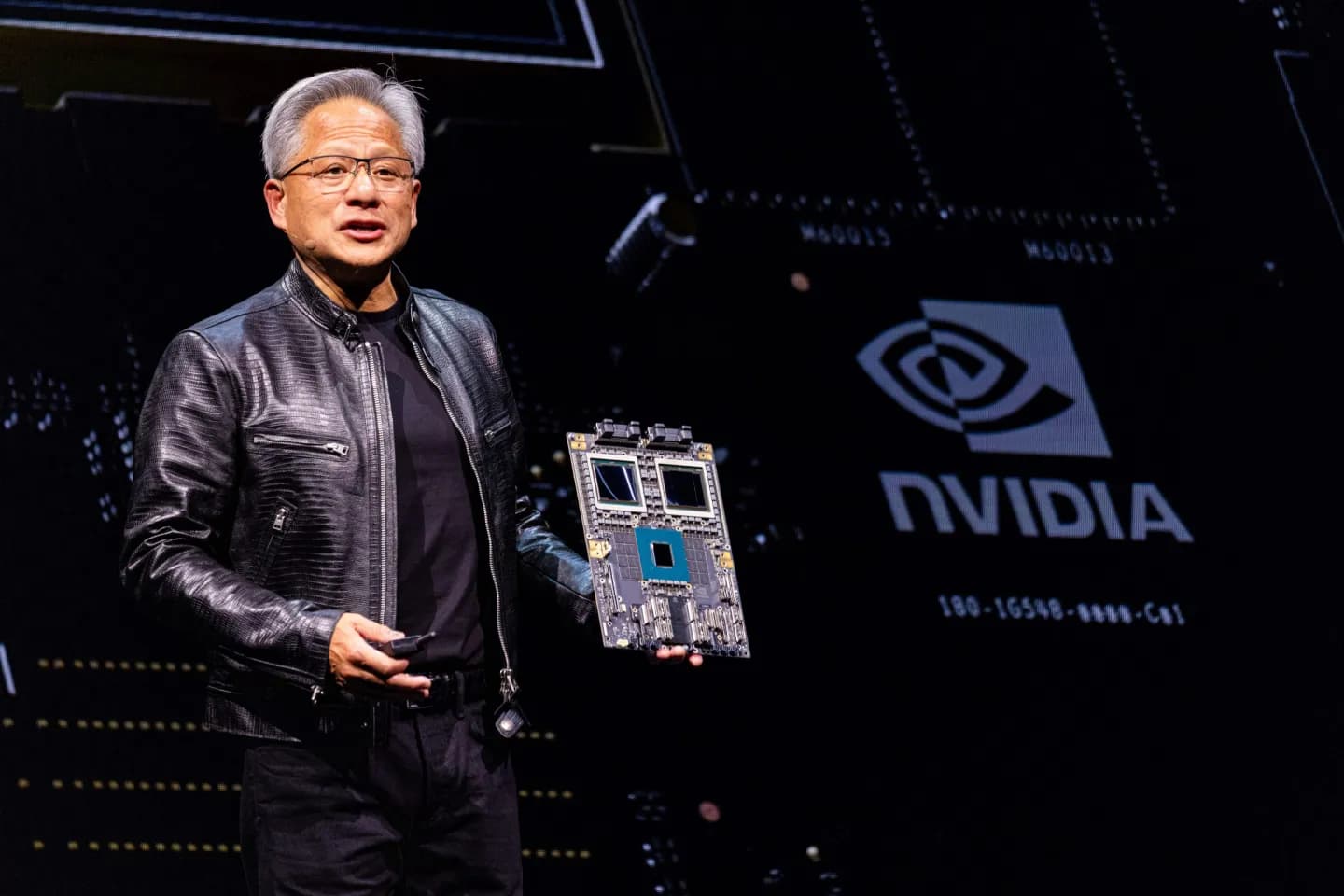
Nvidia just fired a massive warning shot across the personal computer industry. On Sunday, the graphics chip giant kicked off Taipei’s enormous Computex trade show by showing off a brand-new processor called the RTX Spark. The company openly calls this hardware a superchip, and they already signed up a massive lineup of major PC brands to build laptops and desktops powered by it.
The strategy behind the chip is aggressive and clear. Nvidia designed this ultra-fast hardware to locally run autonomous software helpers like OpenClaw and Hermes Agent. Instead of sending your data to a faraway cloud server, your actual computer hardware will do the heavy lifting. The first wave of these specialized machines will hit shelves this autumn from industry heavyweights like ASUS, Dell, HP, Lenovo, Microsoft Surface, and MSI, with Acer and Gigabyte following right behind.
The Power Inside the Silicon
The hardware architecture marks a major shift for local computing. To keep your automated assistants safe and isolated from malicious software, Nvidia teamed up with Microsoft to build secure sandboxes directly into the system. These computers pack plenty of raw central processing unit power, high-end graphics processing units, heavy system memory, and the foundational Nvidia CUDA software layers needed to run large language models locally on your desk.
Nvidia claims its technology will also deliver massive performance boosts for normal daily tasks. It accelerates automated image processing and provides specialized hardware support for artificial intelligence tools embedded across more than one thousand games and creative applications. Major creative software developers like Adobe, Blender, ComfyUI, Riot Games, and Xbox have already signed up to make sure their apps run perfectly on the new silicon.
But Nvidia founder and CEO Jensen Huang has a much bigger goal than just making creative apps run smoother. He wants to fundamentally change how you interact with a computer screen. Huang wants to end the old era of opening individual apps, pointing a mouse, clicking icons, and typing everything out manually. In his vision, you simply tell your computer what you want to achieve, and the local software agents coordinate the actual work across your different applications.
Betting on a New Two Hundred Billion Dollar Frontier
This launch follows a string of massive financial wins for the company. Last month, after dropping another record-breaking quarterly earnings report, Huang promised Wall Street investors that he discovered a fresh, massive market for Nvidia central processors. He estimates this new AI silicon market is worth roughly $200 billion. He specifically highlighted their high-end server processor, named Vera, which has already racked up a staggering $20 billion in early sales.
Huang thinks desktop computers will follow the same massive path. During a recent earnings call, he noted that the tech ecosystem will eventually host billions of autonomous software agents. He believes these automated tools will become just as common as physical PCs are today, creating an insatiable global demand for specialized processors.
History shows this is a risky bet. Tech companies have tried to sell ARM-based Windows machines before, and they failed miserably. Back in 2013, Microsoft had to write off a painful $900 million loss on its original Nvidia-powered Surface RT tablet line, and hardware partners like Dell quickly abandoned the concept.
But it is incredibly hard to bet against Huang right now given Nvidia’s current streak of record quarterly revenues. This new chip is a completely different beast than its predecessors. It is far more powerful, and Microsoft is backing it heavily, naming their upcoming machine the Surface Laptop Ultra and calling it the most powerful Surface laptop ever manufactured. While PC makers have not released exact pricing details yet, tech analysts expect these consumer machines to compete directly with affordable mini computers and high-end creative workstations alike. Either way, Nvidia is racing to bring automated assistants to the masses, and they have the hardware muscle to pull it off.