Mira Murati Breaks Her Silence on Her New AI Venture and the Fall of OpenAI
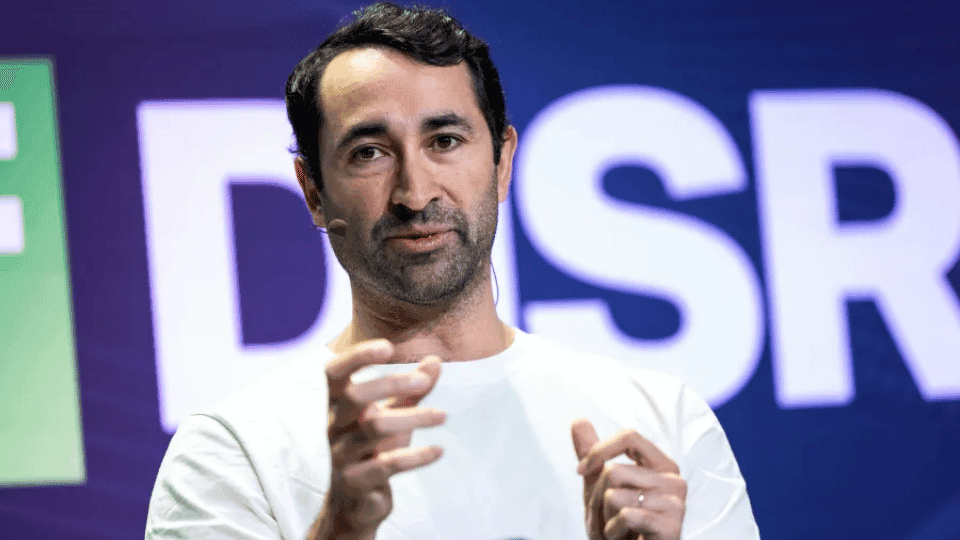
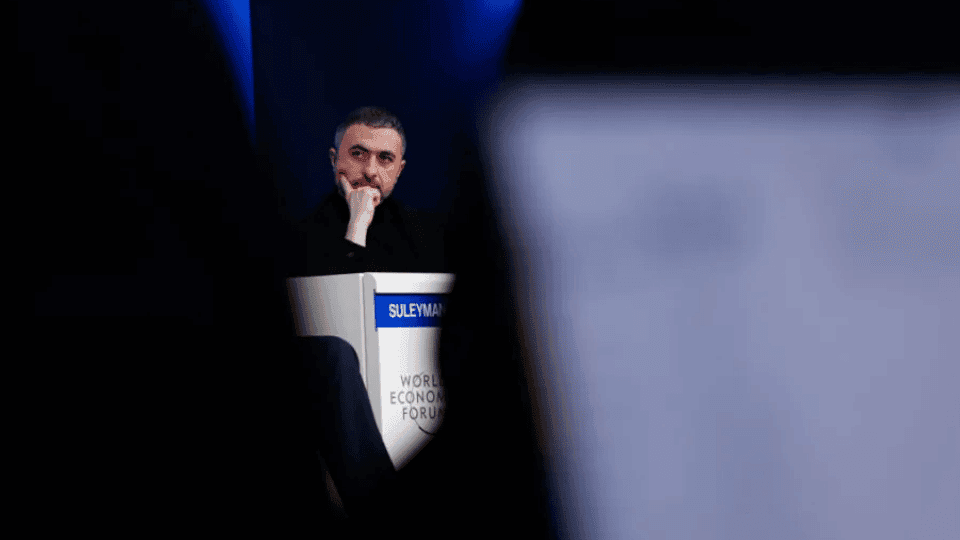
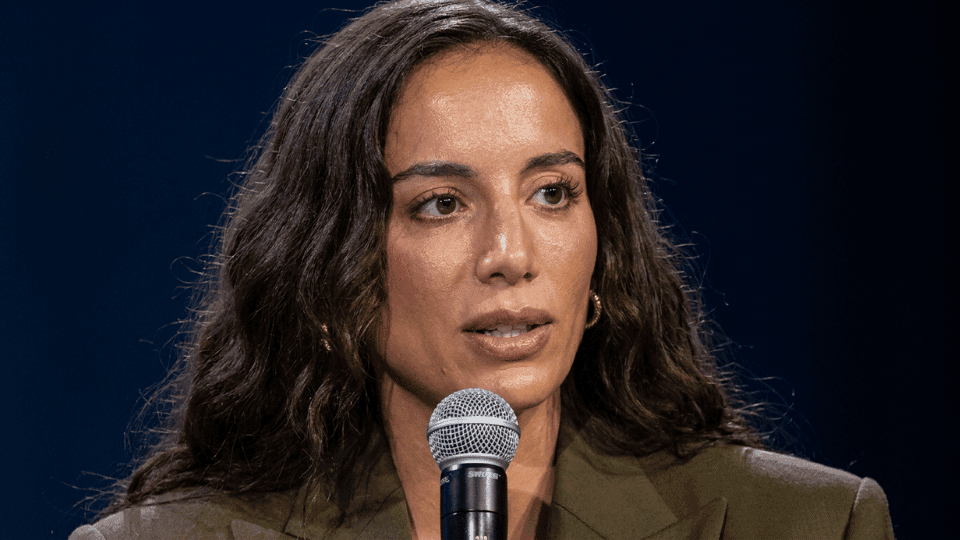
Mira Murati does not typically seek out the loud chaos of the tech conference stage. During her time as the Chief Technology Officer of OpenAI, she usually acted as the internal engine rather than the public face of the business. Since launching her own brand-new startup, Thinking Machines Lab, she has become even more elusive. That background made her recent fireside chat with Bloomberg in San Francisco highly significant, marking her first major public media appearance in nearly a year and a half. While she kept her answers deliberate and controlled, her words offered a rare glimpse into the future of her technology.
The timing of her public reappearance makes perfect sense. Thinking Machines has spent the last eighteen months operating almost entirely in the shadows. The startup focused on quietly raising capital, hiring top engineering talent, and shipping its very first developer product, Tinker, which functions as an application programming interface for fine-tuning open-source models.
Meanwhile, the hyper-competitive tech landscape has grown incredibly crowded. OpenAI, where Murati worked for six years, dominates daily news cycles. Anthropic continues to capture massive public attention, and Elon Musk is folding his xAI project into SpaceX ahead of a highly anticipated public offering. In an industry that moves this fast, keeping your head down indefinitely eventually hurts your business. At some point, you have to break the silence to remind the market that your company is building something significant.
Murati used her interview to do exactly that, teasing a new project she calls interaction models. She describes this approach as a completely different kind of artificial intelligence interface. Instead of the standard text-prompt and text-response design that defines almost every modern chatbot, her company builds systems to handle continuous streams of audio, text, and video in two-hundred-millisecond blocks. This speed lets the model read the actual texture of human speech. It can pick up on mid-sentence interruptions, sudden corrections, and the tiny pauses people make when they think. However, Murati avoided sharing a specific launch date, emphasizing that the project remains a work in progress rather than a finished product.
The interviewer also pushed Murati to discuss the chaotic events of November 2023, when OpenAI’s board unexpectedly fired Sam Altman and appointed her as interim Chief Executive Officer. Inside the company, workers simply call that dramatic week the blip. Murati stood by her decisions during that crisis, explaining that protecting the core mission and her engineering team guided her actions. She noted that the choices felt obvious at the moment, even as the outside world watched the company appear to collapse. She admitted that the organization would have imploded completely without her steadying presence during those critical five days.
When asked if she still trusts her former boss, Sam Altman, Murati carefully dodged the personal question. Instead, she pointed to a much larger systemic worry. She expressed deep concern over how a tiny handful of industry leaders hold almost all the decision-making power across the tech sector. Her main anxiety centers on the total lack of structural guardrails in big tech. She explained that even well-intentioned leaders make terrible choices when an industry drifts without proper oversight, suggesting that tech companies spend too much time chasing vague moral virtues and far too little time building real corporate governance.