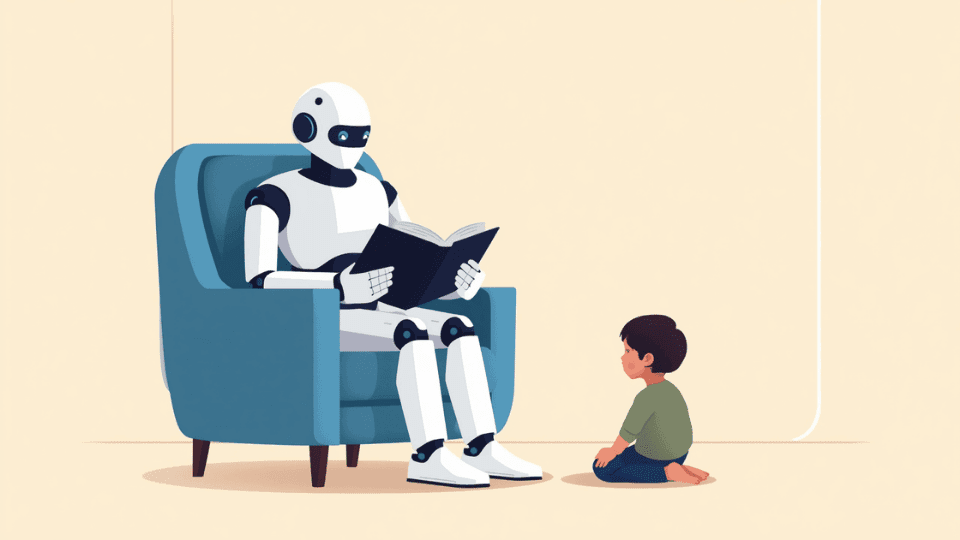
Imagination on Autopilot: Meta Takes Aim at Bedtime Storytelling
Meta is testing a new storytelling app called StoryKit that generates children tales with custom characters, settings, moral lessons, and background music. The pitch inside its App Store listing promises parents that they do not need to write a single word. Tech companies have officially found a way to outsource one of humanity oldest creative traditions: using our own imaginations.
Spotters first noticed StoryKit on the App Store before Meta confirmed it was testing the app in select countries to see how parents react. A Meta spokesperson called StoryKit a creative storytelling app designed to craft personalized storybooks for kids. The company emphasized that the app uses safety filters, excludes social features, and stays restricted to users over 18 years old.
To make a story, you start by picking a main character. You can snap a quick photo of a favorite toy or a family member to bring them into the plot. Next, you describe the setting and choose a specific moral lesson. Meta claims parents can weave in values like kindness, courage, or empathy without making the narrative feel like a lecture.
The concept behind StoryKit might sound relatively harmless compared to other tech experiments, but it targets a deeply human experience. Humans have told stories for as long as we have gathered around fires. We do not need sophisticated algorithms to make up silly tales about fairy princesses, talking animals, or space explorers. Every summer blockbuster movie traces its roots right back to those basic traditions of oral storytelling.
Parenting takes work, and long days leave people exhausted. It can feel tempting to open an app when your kid rejects every physical book on the shelf and demands a brand new story on the spot. But hand-off storytelling replaces genuine human whimsy with calculated mathematical predictions from a software model.
Instead of making up a goofy tale off the top of your head, parents end up reading pre-packaged scripts generated on a smartphone screen. Parents can choose whether to hand over those quiet bedtime routines to software algorithms or keep imagination alive in their own homes.