Beyond Human Limits: Microsoft Claims Clinical AI Beats Senior Doctors on Complex Medical Diagnostics
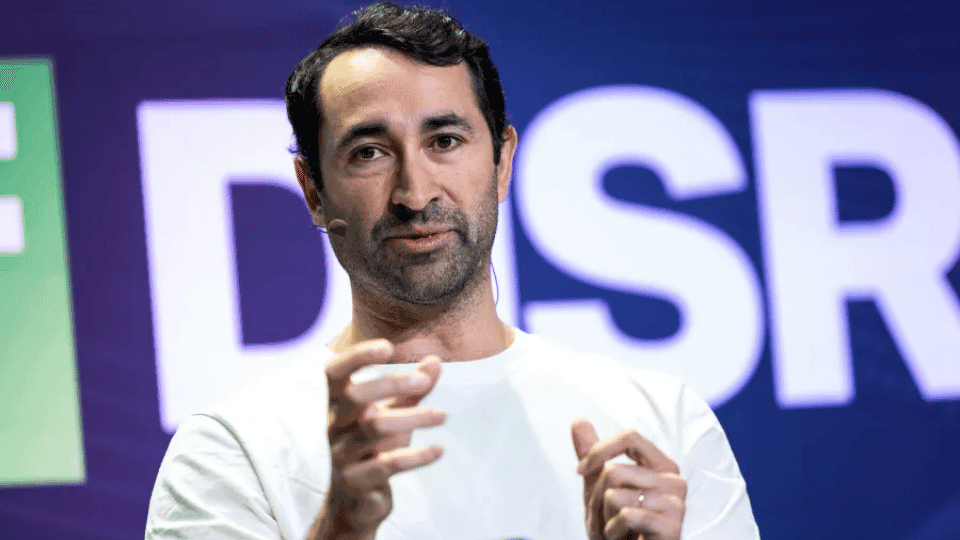
Microsoft’s artificial intelligence lead Mustafa Suleyman announced that the company’s newest healthcare model outperforms licensed human doctors on complex medical cases, advancing its strategy to build what he terms medical superintelligence. Speaking at an industry summit, Suleyman revealed internal testing benchmark data showing that Microsoft’s clinical software achieved superior diagnostic accuracy compared to experienced physicians when evaluating intricate, multi-system diagnostic scenarios.
The underlying research model evaluates complex patient histories, laboratory reports, imaging summaries, and rare disease indicators simultaneously. In head-to-head benchmarking tests against practicing medical specialists, the diagnostic software achieved higher accuracy rates while identifying rare underlying conditions that human physicians frequently missed or misdiagnosed during initial evaluations. Suleyman pointed out that while standard software handles basic clinical documentation smoothly, building artificial systems capable of superior reasoning on edge cases represents a massive milestone for digital health.
To achieve these results, Microsoft combined advanced reasoning models with curated clinical knowledge bases. The development process involved thousands of hours of expert clinical review, ensuring that the software follows evidence-based diagnostic pathways rather than making statistical guesses. By analyzing dense medical research papers and historical patient outcomes, the model synthesizes complex diagnostic options far faster than human medical teams can read through medical charts.
Microsoft aims to deploy this diagnostic framework directly into clinical workflows, offering real-time assistance to doctors, nurses, and hospital staff. Rather than replacing human practitioners, the software functions as an expert secondary opinion, helping clinicians evaluate ambiguous symptoms and avoid common diagnostic traps. In busy emergency rooms and rural clinics where access to specialized medical experts remains limited, instant access to high-level clinical guidance can significantly improve patient triage and treatment speed.
Suleyman emphasized that achieving medical superintelligence requires continuous safety checks and strict validation frameworks. Errors in healthcare carry life-or-death consequences, making accuracy, medical safety, and factual reliability far more critical than in general consumer applications. Microsoft is collaborating with major healthcare systems, academic research centers, and clinical institutions to stress-test the model against diverse real-world patient records before rolling out broad commercial integrations.
The push toward specialized medical models reflects a broader shift across the technology industry. As general-purpose language models mature, leading research labs are building tailored tools trained on domain-specific datasets. In healthcare, diagnostic assistance software must navigate conflicting patient symptoms, evaluate subtle drug interactions, and account for patient medical histories without generating false information or hallucinated medical advice.
Deploying clinical artificial intelligence at scale promises to relieve heavy administrative burdens, reduce medical errors, and expand access to specialized care worldwide. As software demonstrates superior diagnostic performance on complex medical cases, healthcare networks that integrate these tools will speed up clinical decisions, lower diagnostic costs, and deliver better overall health outcomes for patients.