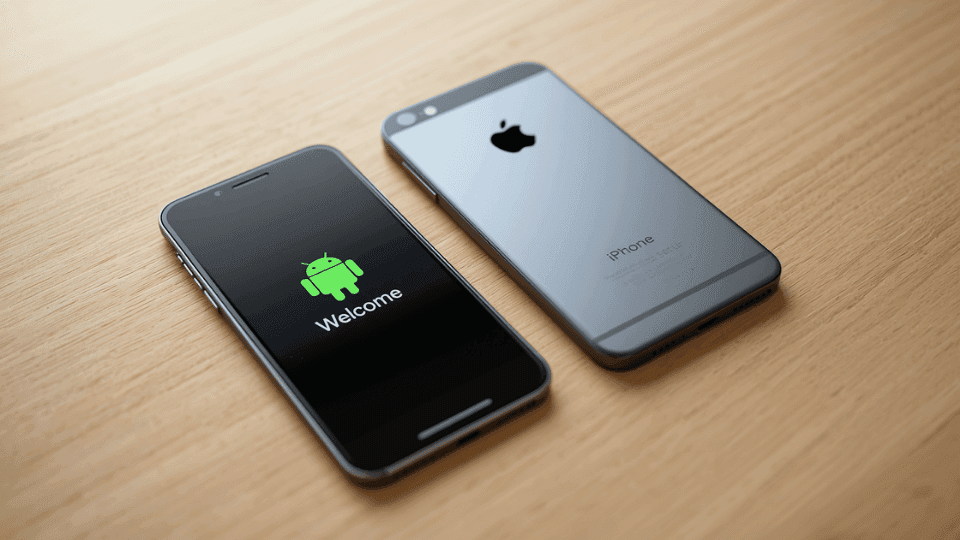
Ditching Apple Made Simple: Android 17 Tears Down the Ecosystem Wall
Google is making it easier than ever for iPhone owners to jump ship to Android. The search giant just rolled out a native migration tool built directly into Android 17. This upgrade lets users transfer personal data wirelessly from an iPhone to a new Android phone without downloading a separate setup app from Apple App Store.
For years, moving between mobile ecosystems felt like moving to a new country without a passport. Apple kept users locked into iOS by making data extraction tedious and frustrating. Users had to install third-party apps, connect cables, or manually upload files to cloud servers. Google designed this new Android 17 setup process to eliminate those headaches completely.
The updated setup tool covers far more than just basic contact lists. During initial phone setup, users can wirelessly copy photos, video libraries, contacts, text message threads, and calendar events directly to their new phone. Android 17 goes several steps further by transferring saved passwords, saved Wi-Fi network credentials, primary Google accounts, and even active eSIM profiles.
Moving an eSIM previously required calling cellular carriers, waiting on hold, or scanning QR codes generated by customer service portals. Streamlining eSIM transfer directly during device setup removes one of the biggest technical hurdles holding back potential switchers.
Google wants to lower every possible friction point that keeps people attached to iOS devices. By handling account migration natively at the system level, Android 17 cuts setup times in half. Users can power on a fresh Android device, place it near their old iPhone, and let the wireless system do the heavy lifting.
The upgrade is already rolling out to select Google Pixel phones. It comes pre-installed on Samsung newly announced flagship foldables, including the Galaxy Z Flip8 and Galaxy Z Fold8. Google plans to bring the new setup tool to devices from other phone makers over coming months.
Smartphone sales have slowed down globally, which means tech companies cannot rely only on first-time buyers. They must win over customers from competing brands. Android holds the largest global market share, but Apple commands high profit margins in key markets like North America and Europe. Removing setup friction helps Google target iPhone owners who want foldables or different hardware designs but dread the hassle of transferring data.
As wireless transfer protocols improve, hardware brands must compete on performance, display quality, and battery life rather than locking data behind software barriers. Google software team built a cleaner onboarding path, giving buyers full freedom to choose their favorite device without losing precious memories or setup settings.