Why Amazon Plans to Show You Fake AI Photos When You Search for Real Clothes
Amazon just announced a new feature that might make you scratch your head. The retail giant plans to display artificial intelligence images inside its main shopping application based on what you type into the search bar. This means an online store that sells actual physical goods thinks showing you fabricated product photography will somehow make your shopping experience better.
The company explained how this new setup works in a recent corporate blog post. They think you might have a very specific clothing style or furniture design in mind but lack the exact technical words to describe it. Amazon uses examples like a cowl neck style for shirts or a rattan texture for home furniture.
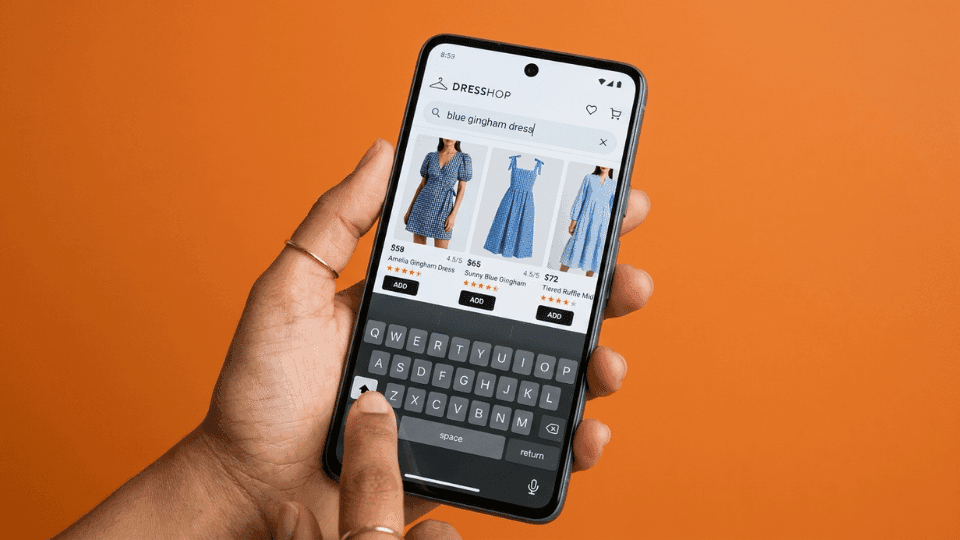
When you start typing a query into the search bar, the application will populate a row of AI-generated product images directly beneath the standard autocomplete suggestions. For instance, if you type in a phrase like blue gingham dress, the system will instantly generate a few different digital variations of that style. You might see options with short sleeves, long sleeves, or varying hemlines showing up as tiny visual cards. The concept relies on you clicking one of these custom computer images to jump straight to a curated feed of actual products that match that visual look.
When you stop and think about it, the strategy sounds a bit backward. A massive e-commerce retailer is essentially inventing fake items to help you discover real ones. This design path introduces some obvious risks for regular shoppers. Anyone browsing quickly might click on an AI image, assume that exact dress is available for purchase, and end up frustrated when they realize the specific item does not exist. It also raises a bigger question about why a marketplace needs to generate fake items in the first place when its databases already contain millions of real photos uploaded by actual sellers.
This update follows a string of other attempts by Amazon to build artificial intelligence tools into its retail platforms, with mixed success. On the helpful side, the platform uses algorithms to summarize massive blocks of customer reviews, letting you scan the main pros and cons of an item without reading hundreds of separate entries. More strangely, they also launched a short audio product summary option that describes items using an AI voice that sounds like a host on a podcast.
The company is experimenting with other visual tech too. They recently rolled out shoppable collages created by computers to guide shoppers toward specific fashion collections. They also introduced Amazon Lens Live, a tool that lets you point your smartphone camera at an object in the real world to find matching products on the site. You can even add text descriptions to those visual image searches or use a dedicated lock screen widget on Apple devices. Just earlier this month, the company swapped out its older Rufus chatbot to bring in Alexa for Shopping, giving users a way to voice text their shopping questions through conversational language.