Bound and Audited: I Wore Amazon’s Hidden Microphone and It Creeped Me Out
The race to strap an artificial intelligence microphone to your body is officially in high gear. Amazon quietly entered the wearable hardware market by acquiring Bee, a tiny AI startup that builds an audio-recording wristband. The device operates as a personal assistant that records, transcribes, and summarizes your spoken conversations throughout the day. It promises to organize your life by pushing calendar alerts and reminders straight to your smartphone based on your real-world chats. But after putting the hardware through a thorough real-world test, the experience feels a lot more like a corporate wiretap than a helpful digital sidekick.
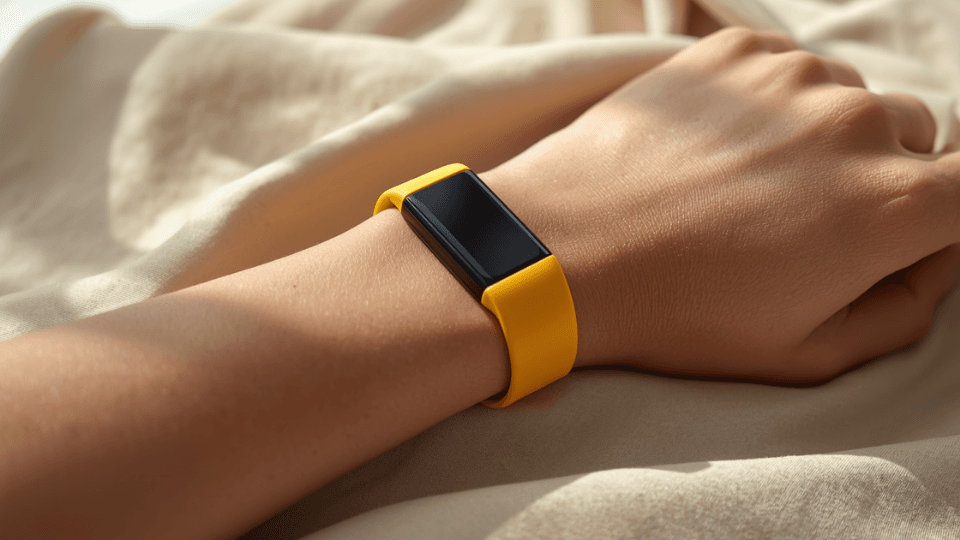
The physical design of the Bee wristband is surprisingly simple. It consists of a plain plastic capsule held in place by a bright yellow silicone strap, closely resembling a basic fitness tracker. It completely lacks a screen, relying instead on a single physical button to control the audio state. When the internal microphone is actively recording, a tiny green light flashes on the capsule. The moment you turn it off, the light dies.
The Endless Digital Transcription
While the hardware design is unobtrusive, the software layer running on your phone feels intensely invasive. The companion mobile application builds a continuous, timestamped ledger of your entire day. It creates bulleted summaries of your business meetings, lists your casual promises, and maintains a complete, word-for-word text transcript of every conversation you have.
During a business test, the software performed reasonably well. It successfully categorized a strategic discussion, breaking down complex engineering tasks into clear action items. The app can even send you automated follow-up emails so you do not have to copy and paste summaries manually. However, the system struggles heavily outside of quiet conference rooms. When tested during a casual movie night with friends, the microphone captured the audio background noise from the television and mixed it up with real human voices. The resulting transcript was an absolute mess, attributing random lines from a film to real people in the room.
Handing Over Your Entire Privacy Ledger
The biggest issue with the Bee wristband is the massive security trade-off. To function properly, the mobile application demands extensive system permissions on your phone. It requires permanent access to your precise GPS location, your personal photo library, your contact list, your calendar, and your mobile notifications.
All of this harvested text and location data streams directly to Amazon’s cloud servers. While Amazon claims it uses advanced encryption to protect user data, the company has a long, documented history of cloud data leaks and security issues. Tech security advocates raise immense concerns about letting a massive retail corporation build a continuous audio map of your private life.
Worse, the platform lacks clear boundaries for other people in your vicinity. When you wear the band, you are actively recording everyone who speaks to you, completely bypassing their personal consent. While Amazon markets the Bee wristband as a professional productivity tool for busy executives, it functions as a data-harvesting machine. If you want a digital assistant to manage your schedule, stick to a manual calendar app. Strapping a permanent corporate microphone to your wrist is a fast track to digital paranoia.