Smart Glasses Get Real: How Xreal is Cracking the Silicon Valley Curse
The smart glasses industry has historically served as a painful financial black hole for Silicon Valley. For more than a decade, massive tech corporations have poured gargantuan investments into wearable headwear, only to walk away with zero profits and public embarrassment. Most consumers simply do not want to walk around with bulky, socially awkward plastic strapped to their faces. But Chi Xu, the founder and CEO of smart glasses innovator Xreal, believes his team has finally solved this notorious product design puzzle.
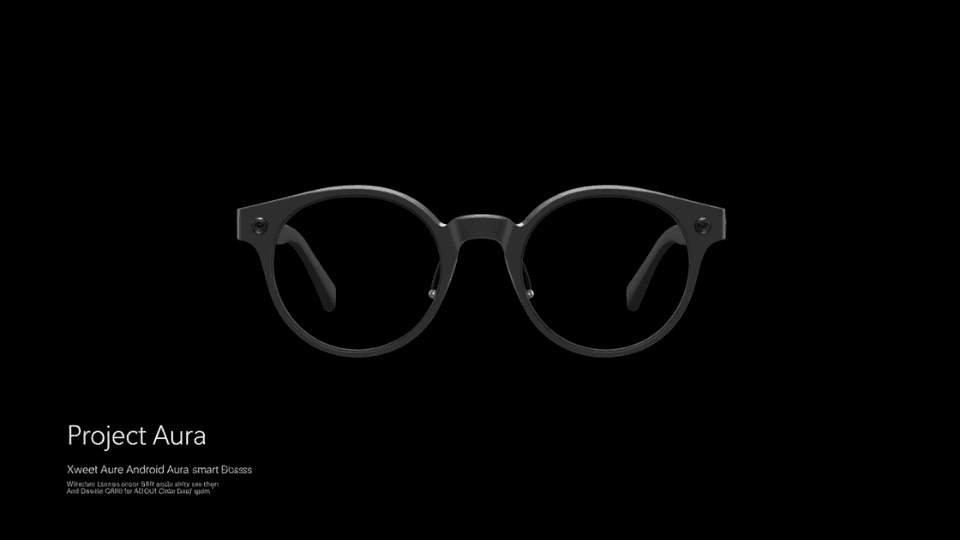
Xreal is Google’s primary smart glasses hardware partner. Last week, Xu traveled to the annual Google I/O conference in Mountain View to showcase Project Aura, the latest effort to build high-end extended reality glasses that regular people actually want to wear. Xu speaks candidly about the industry’s brutal history, admitting that up until now, almost everyone trying to build wearable face tech has lost millions of dollars.
Taming the Reality Labs Monster
Xreal’s primary rival in this space is Meta. Mark Zuckerberg’s company entered a high-profile partnership with Ray-Ban to build a line of connected glasses. While that partnership helped put smart frames on store shelves, the underlying division responsible for the hardware, Reality Labs, still operates at a massive financial loss.
Xu believes the market is finally turning a corner because electronic components are shrinking and software interfaces are improving. To build a mainstream hit, an engineering team must secure three critical pillars simultaneously. You need comfortable, stylish hardware, an advanced operating system, and a simple user interface that anyone can navigate instantly. Xreal’s latest model, Aura, tries to strike that perfect balance.
The Aura frames feature sharp OLED displays embedded directly inside the lenses, allowing you to stream high-resolution video directly into your field of vision. The physical setup requires a small catch: the glasses must stay wired via a thin cord to a small, phone-shaped computing puck. This external processing unit powers the displays, allowing the actual glasses to remain light, slim, and comfortable on your nose.
Gaming, Working, and Floating Screens
While carrying a pocket puck might feel slightly awkward, the technical tradeoff unlocks a vast array of practical software features. Users gain access to a dedicated Google Maps app that tracks walking directions in real-time right before your eyes. You can also view YouTube videos or play interactive games using advanced built-in hand tracking sensors. The system maps your hand movements so you can click virtual buttons in mid-air or surf the web without a keyboard.
The display software lets you pin floating digital screens anywhere in your physical environment. You can anchor a recipe video right above your stove while cooking, set up a multi-monitor virtual workspace while sitting in a busy coffee shop, or stream a movie on a giant virtual screen while lying down on a long flight. Xu emphasizes that the device isn’t just a toy for tech hobbyists. It serves as a legitimate productivity tool for professionals who need an private, adjustable workspace on the go.
Right now, the Aura glasses remain limited to developer ecosystems, but Xreal plans to launch the hardware commercially before the end of the year. The startup is also actively preparing for an initial public offering to secure fresh capital. In the meantime, the company is focusing heavily on growing its gross margins by lowering its global marketing expenses and streamlining manufacturing. Xu confidently predicts that next year will be the historic moment his company finally breaks even, proving that smart glasses can become a highly profitable consumer reality.