Built for Blame: Tesla Defends Autopilot After Fatal Texas House Crash
A devastating crash in Katy, Texas has thrust Tesla back into the spotlight of a heated national debate. A Tesla Model 3 traveled off the road and slammed directly into a brick home, killing a seventy-six-year-old woman inside. Local authorities quickly reported that the vehicle might have been using Autopilot at the time of the wreck. This detail instantly triggered widespread public concern regarding the safety of automated driving technology.
Tesla normally operates without a traditional public relations department, keeping quiet during public controversies. However, the company broke its silence to challenge the narrative surrounding the incident. Executives and engineers stepped forward to share internal vehicle data, painting a completely different picture of the moments leading up to the impact.
The head of Tesla AI software stated that the car logs show clear human intervention. According to the company, the driver overrode the automated system by pressing the accelerator pedal down completely. The vehicle data indicates the driver kept the pedal floored, reaching a speed of seventy-three miles per hour within the residential neighborhood. Tesla argues that human action caused the high-speed collision, not the onboard computer systems.
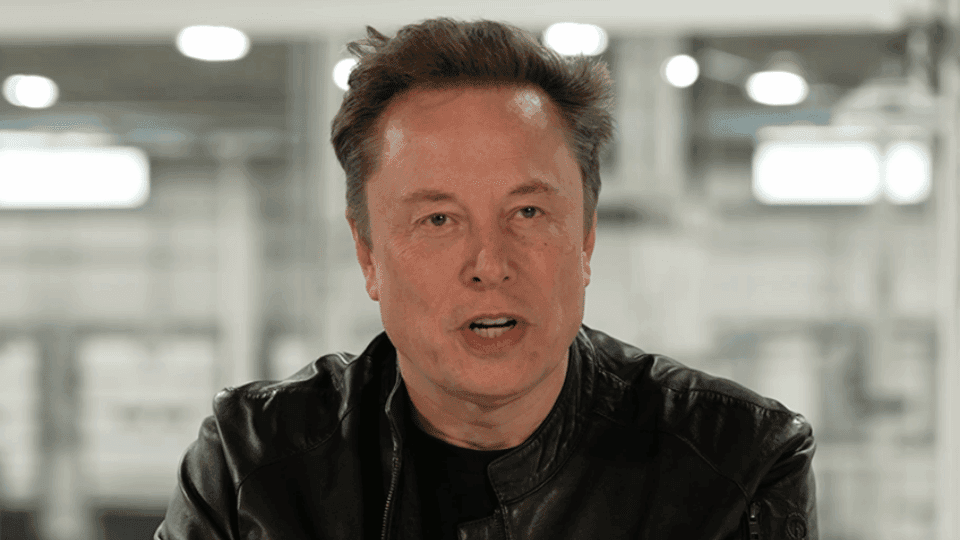
Elon Musk backed these findings publicly, arguing that the allegations against the vehicle software defy logic. He pointed out that the Full Self-Driving system naturally navigates neighborhood streets at cautious, controlled speeds, whereas this specific incident involved extreme speed. The company maintains that the data logs prove the driver had full control of the throttle, meaning the vehicle simply responded to a foot pressing down hard on the gas.
This incident occurs after several shifts in how the company brands its driver-assistance packages. The company previously discontinued its basic Autopilot option following legal rulings that labeled the name misleading to regular consumers. Now, the company offers a subscription service called Full Self-Driving (Supervised). The company explicitly states that this software requires an alert human driver to monitor the road and stay ready to intervene at any absolute second. It handles steering, lane changes, and parking, but it is not an autonomous driving system.
Federal safety investigators are not taking the company’s word at face value. The National Highway Traffic Safety Administration opened a formal investigation into the crash to determine exactly what went wrong. This investigation adds to a list of over forty separate probes the agency has launched into automated driver-assistance systems over the last few years. Investigators want to look at the raw data files themselves to verify if the software experienced any glitches, errors, or delays before the human operator intervened.
Meanwhile, local law enforcement officers are finalizing their reports. The sheriff’s office plans to hand over all physical evidence, scene measurements, and data logs to the local district attorney. Prosecutors will then decide whether the driver will face criminal charges for the destruction and loss of life. Until independent federal inspectors finish auditing the vehicle data logs, the public will have to weigh the company’s defensive data claims against the tragic reality of a ruined home and a lost life.