Global Powers Fear the American AI Kill Switch
World leaders are growing incredibly nervous about how much control Washington holds over the software driving the future. At the recent G7 Summit, French President Emmanuel Macron and Indian Prime Minister Narendra Modi stood up to voice a massive shared concern. They believe the United States could simply cut off access to top-tier American artificial intelligence models whenever it wants, leaving foreign economies completely stranded.
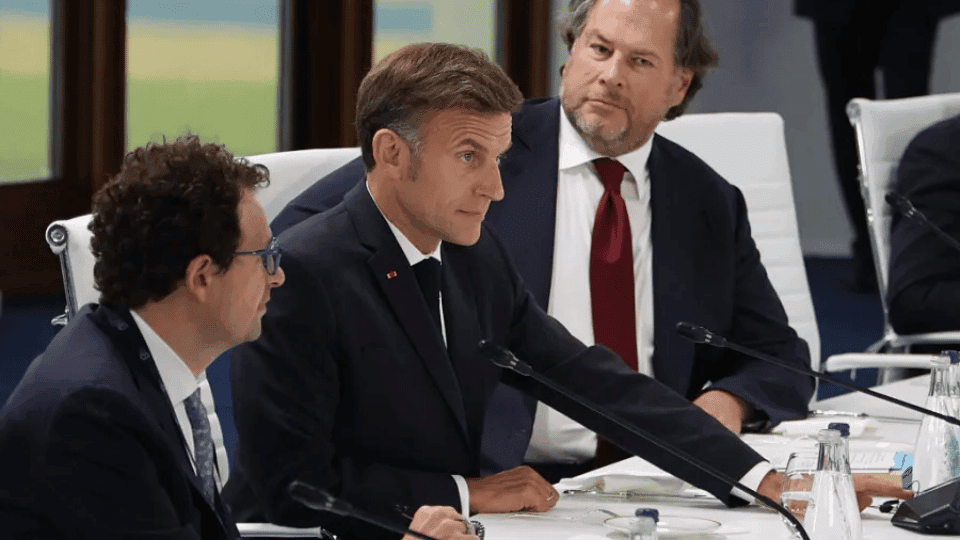
Macron laid out this warning directly during a summit lunch that included top tech leaders like OpenAI chief Sam Altman and Anthropic boss Dario Amodei, alongside President Donald Trump. He explained that if Washington decides to turn off the switch without warning, the fallout will do far more than just paralyze European businesses. It will actively harm the American artificial intelligence companies themselves by destroying global trust in their platforms.
This anxiety did not appear out of thin air. The political friction peaked right after the Trump administration blocked Anthropic from exporting its newest Mythos 5 and Fable 5 models, citing immediate national security risks. The ban happened because Amazon warned the White House that users could bypass the built-in safety guardrails on those specific systems. While older models from OpenAI and Anthropic remain available for now, the sudden export ban sent shockwaves through international markets.
International businesses and foreign governments now have to face a harsh reality. If you build your entire digital setup on American infrastructure, your access can vanish overnight without an explanation. Aidan Gomez, the co-founder and head of the AI firm Cohere, pointed out that depending on a tiny handful of massive American tech companies ruins economic resilience. He noted that this battle is not just about typical market competition anymore. It is a fight over who owns the fundamental technology that shapes national sovereignty and economic security for decades to come.
Prime Minister Modi shared similar worries regarding the sudden blocks on these advanced systems. He argued that democratic nations must have reliable, uninterrupted access to top AI models if they are expected to build and maintain their own critical public infrastructure. To try and fix this vulnerability, G7 leaders started discussing a new trusted partners framework. This plan would theoretically guarantee that friendly non-U.S. nations can use software from firms like OpenAI and Anthropic without fear of sudden trade blocks. The goal is to establish a secure, open trade network that bypasses typical export restrictions, provided these ally countries use the technology to build stronger defenses against global rivals like China.
However, the actual details of this plan remain incredibly blurry. No one knows if this trusted partner agreement would actually help a small tech startup trying to build a product in Paris or Bangalore, or if Washington would still pull the plug without a warning. Macron summarized the situation clearly by stating that the United States needs to back this open access plan. If Washington makes American AI access too risky or unpredictable, global buyers will simply stop purchasing American software and pour their money into building their own sovereign alternatives instead.