Snap Cuts Loose Its AI Video Crew to Form New Startup Dotmo
Snap is pushing its generative AI video team out of the nest. The parent company of Snapchat is spinning off this internal unit into a brand-new, independent business named Dotmo. This fresh startup will focus entirely on building artificial intelligence models that generate interactive gaming environments and video experiences.
The decision comes down to cold, hard cash. Snap explicitly blamed the massive financial burden of running complex generative AI research inside its own walls as the main reason for the separation. Training these advanced video models demands an immense amount of computing power and expensive server infrastructure, which eats into a company’s bottom line. By pushing the team out into a separate entity, Snap can clear those heavy operational costs from its balance sheet.
Even though Dotmo will operate as a standalone company, it will maintain an incredibly tight relationship with its creator. Snap is handing the new startup a direct technology license. This agreement allows Dotmo to adapt Snap’s existing internal tools to build interactive entertainment and gaming platforms. The founding workforce at Dotmo will consist entirely of original Snap engineers and researchers who are leaving their corporate roles to launch the venture.
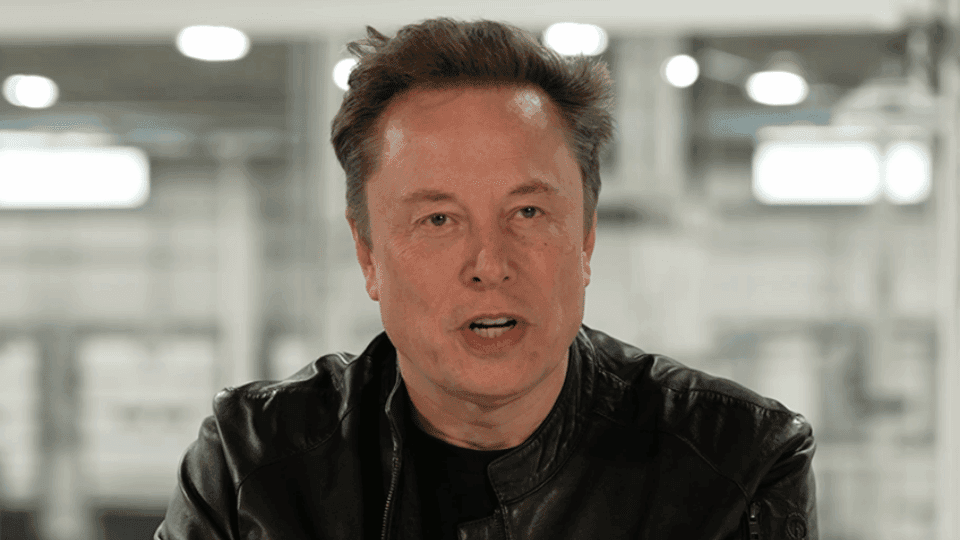
The financing behind the deal is also uniquely structured. Snap is not funding Dotmo directly with corporate cash. Instead, Bobby Murphy, Snap’s chief technology officer, is stepping up as the lead investor for the startup. Murphy is putting his own personal money into the business and will hold a significant personal stake in the new firm. To balance his time, Murphy will keep his full-time role as the CTO of Snap while simultaneously guiding Dotmo’s research and development roadmap.
In return for supplying the core engineering talent and the foundational tech license, Snap gets a massive equity stake in Dotmo. This setup gives Snap a safe cushion. If Dotmo struggles, Snap is no longer burning cash on daily development. If Dotmo succeeds and strikes gold in the AI gaming market, Snap stands to make a massive profit through its ownership shares. Down the road, Dotmo will also look for outside venture capital funding to fuel its growth.
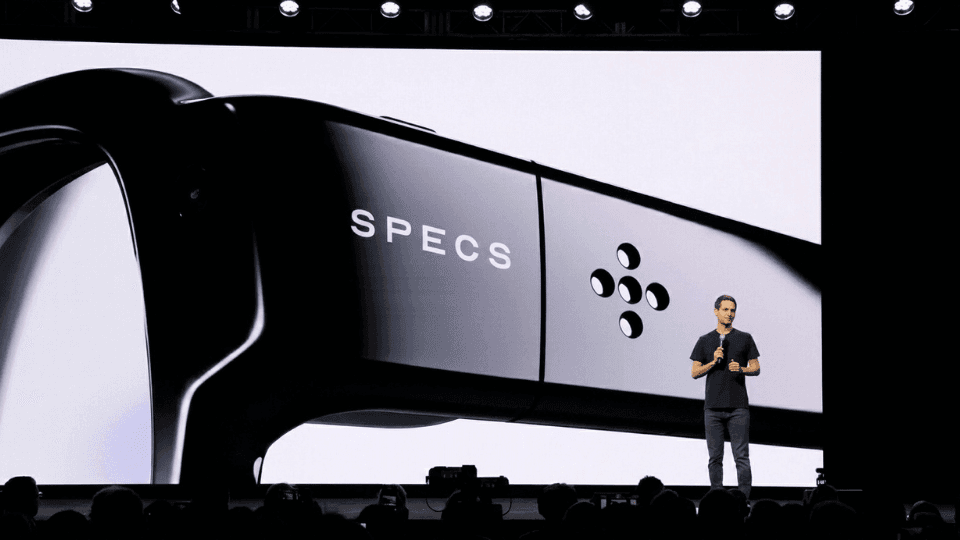
This represents Snap’s second major spin-off project this year. Earlier in 2026, Snap spun off its Specs division into a separate company to focus purely on smart augmented reality glasses. That hardware move was far from a smooth success. Snap’s stock took a painful hit after consumers voiced serious concerns about the heavy twenty-two hundred dollar price tag on the smart eyewear. That hardware struggle forced Snap into a brutal restructuring wave that resulted in roughly one thousand workers losing their jobs.
Dotmo marks a completely different path than the Specs breakup. While Specs focused on physical consumer hardware, Dotmo is dealing purely with digital experiences and back-end software models that sit completely outside of Snap’s current core business strategy. For tech workers, this shows a massive industry trend. Companies are realizing they cannot afford to fund every single experimental AI project internally, so they are turning to creative corporate spin-offs to keep the research alive without sinking the ship.