Cyber Attack Freeze: Hackers Lock Down Coca-Cola’s Fairlife Dairy Production Lines
Coca-Cola just announced that a major cyber attack crippled one of its biggest dairy subsidiaries. The global beverage giant had to halt production at its Fairlife facilities after hackers hit the business with ransomware. According to an official regulatory disclosure filed with the U.S. Securities and Exchange Commission, the malicious software lock-out directly disrupted the systems that manage the milk production lines. As a result, company executives had to make the tough call to temporarily suspend all Fairlife production operations across the United States.
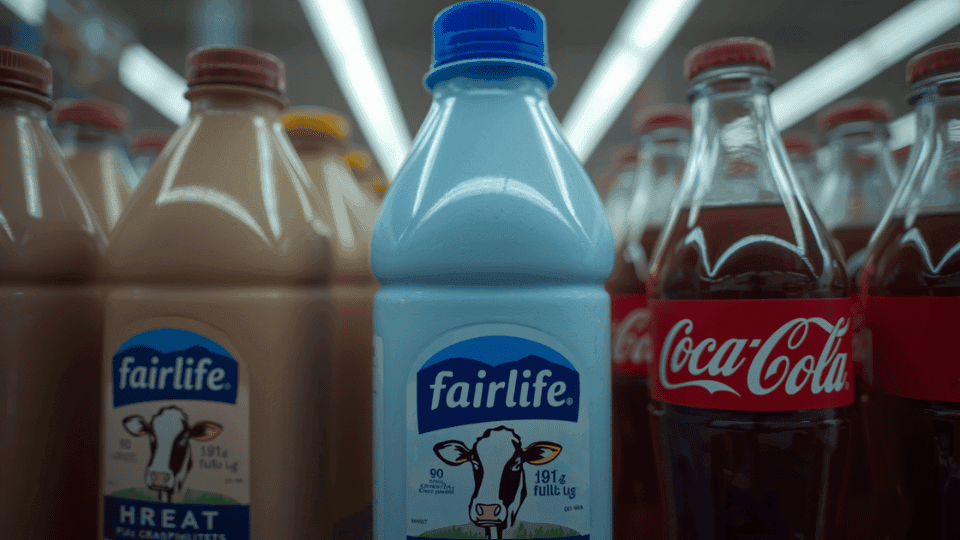
While the company confirmed that Canadian operations remain unaffected, the domestic shutdown is a massive blow. Fairlife is a major brand in the Coca-Cola portfolio, pulling in an estimated four billion dollars in sales by 2024. Coca-Cola did not share a timeline for when they expect to bring the dairy production systems back online, leaving suppliers and grocery partners in a state of limbo.
Ransomware attacks on agricultural and food supply chains are incredibly dangerous. When hackers lock up corporate servers, they do not just steal files or freeze website access. They take down the operational technology that controls assembly lines, automated pasteurization systems, and shipping schedules. For a highly perishable product like milk, even a few days of system downtime can result in millions of gallons of raw dairy spoiling before it ever reaches a bottle.
This is not the first time a major food and beverage business has found itself in the crosshairs of cybercriminals. Back in 2019, Arizona Beverages faced a devastating ransomware attack that paralyzed its sales and distribution networks. More recently, a major cyber assault on food distributor giant UNFI caused massive disruptions that took weeks to fully resolve. In both cases, the companies struggled with empty warehouse shelves, angry retail clients, and millions of dollars in lost revenue and recovery costs.
Security experts warn that these attacks are happening more frequently because hackers know that food companies cannot afford long delays. If a tech firm gets hacked, users might experience a temporary software outage. If a food distributor gets hacked, grocery stores run out of food. This physical urgency gives hackers massive leverage to demand multi-million dollar ransom payments in exchange for the decryption keys.
Coca-Cola’s security teams are currently working to isolate the infected networks, wipe the compromised servers, and restore the operational systems from secure backups. However, if the backups were also compromised during the initial network breach, the recovery process could stretch on for weeks. For now, consumers can expect to see spot shortages of Fairlife products on local grocery shelves as the dairy giant fights to clean its digital systems and restart the bottling plants.