Double Standards in the AI Arena: The Real Reason Musk Lost His OpenAI War
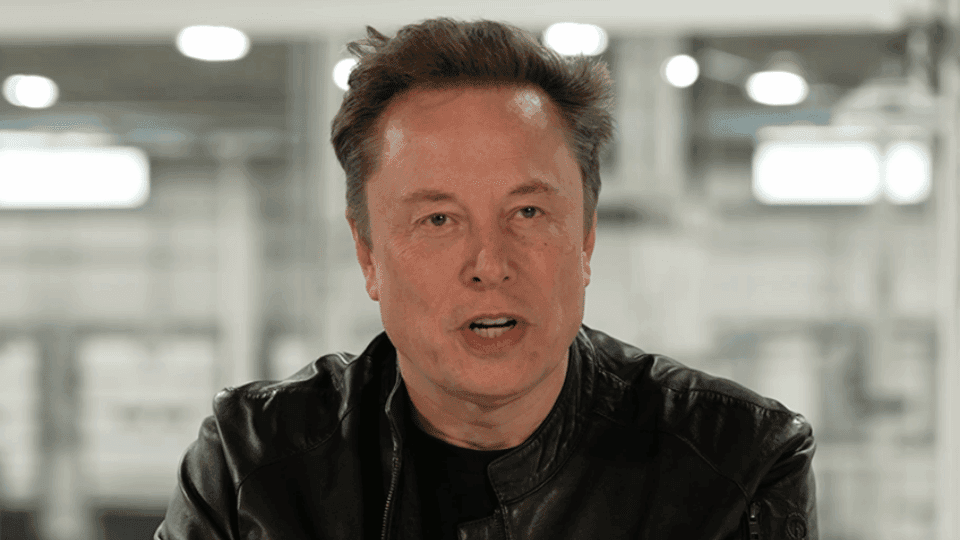
The jury’s quick rejection of Elon Musk’s high-profile lawsuit against OpenAI and Microsoft exposed a lot more than just a weak legal case. While the trial was supposedly about protecting a charity, it ultimately revealed that Musk harbored corporate aims remarkably similar to those of the people he sued. The tech billionaire built his entire case around the claim that Sam Altman and Greg Brockman stole a non-profit mission to create a commercial powerhouse. However, the court proceedings showed that Musk was using the exact same playbook behind closed doors.
During the closing arguments, OpenAI’s attorneys systematically picked Musk’s case apart. They focused heavily on the statute of limitations, proving that Musk waited way too long to file his complaint. While Musk’s team relied on dramatic accusations, OpenAI’s lawyers stayed calm and walked the jury through the timeline of the law. The strategy worked perfectly. After the verdict, a frustrated Musk lashed out on social media, calling the judge a terrible activist before quickly deleting the post and announcing his plans to appeal.
Parachuting Scientists Into Tesla
The most damning evidence against Musk did not come from financial records. It came directly from courtroom testimonies. Greg Brockman took the stand and recalled a telling incident from 2017. He testified that Musk explicitly ordered a team of top OpenAI researchers to leave their lab and report directly to Tesla headquarters. Musk wanted these elite scientists to fix the struggling autopilot team for his electric vehicle company. Brockman noted that when the most powerful man in tech tells you to do something, it is incredibly difficult to say no.
This elite task force included massive names in modern AI, like Andrej Karpathy and Ilya Sutskever. They spent weeks consulting with a demoralized Tesla engineering squad, handing over ideas to upgrade Tesla’s self-driving software. Sutskever even told the automotive team that if they could gather 10,000 images of complex driving scenarios, the AI model could fix itself. To make matters worse, testimony revealed that Tesla never reimbursed OpenAI for the time, salary, or effort of these employees. Musk essentially used charitable donations to fund a free engineering team for his private, for-profit automaker.
The Fight for Absolute Control
Legal experts were quick to point out the hypocrisy of the arrangement. Dorothy Lund, a Columbia Law School professor, noted that the setup looked highly questionable. Musk was suing OpenAI for a breach of charitable trust, yet he was caught redirecting non-profit assets to boost his own stock portfolio.
The jury also learned about Musk’s repeated attempts to take total control of OpenAI back in 2017. He deployed a series of aggressive tactics to pressure the other co-founders into making him the sole head of the company. When they refused to grant him absolute power, he withheld his promised donations and walked out the door.
If Musk had accepted any of the counter-proposals offered by Altman and Brockman, he would likely be one of the largest shareholders in OpenAI today. But his associates testified that Musk refuses to invest in any business where he does not hold total authority. The trial proved that Musk did not hate the idea of a commercialized, multi-billion-dollar AI company. He just hated that he wasn’t the one running it.