Rocketing Into Risk: The True Cost of Musk’s Historic SpaceX IPO
Elon Musk’s rocket empire is officially dropping its cards on the table. On Wednesday, May 20, 2026, SpaceX filed its long-awaited S-1 registration statement with the Securities and Exchange Commission. The blockbuster filing sets the stage for a historic Nasdaq debut under the ticker symbol SPCX. With a target valuation of roughly $1.75 trillion, this offering is widely expected to be the largest initial public offering in human history, aiming to raise a staggering $75 billion.
While public market investors are eager to grab a piece of the aerospace giant, the prospectus offers a sobering look at where the company actually spends its cash. The financials reveal that SpaceX is no longer just a rocket company. It has quietly transformed into a massive, capital-intensive artificial intelligence play.
The Heavy AI Cash Drain
According to the filing, SpaceX brought in more than $18 billion in revenue last year, but it still recorded an overall loss of $4.9 billion. This brings the cumulative losses since the company’s founding in 2002 to a massive $37 billion. The main culprit behind these deep losses is not the expensive rocket hardware, but Musk’s aggressive push into artificial intelligence.
SpaceX directed roughly 60% of its entire 2025 capital expenditures, approximately $20 billion, toward its new AI division. This massive spending spree began after SpaceX officially absorbed Musk’s artificial intelligence startup, xAI, in an all-stock transaction. Despite the massive investment to expand the Grok chatbot and integrate machine learning across the business, revenue growth in the AI segment crawled forward at just 22%. Analysts note that the division is lagging far behind established AI rivals like OpenAI and Google.
Fortunately for SpaceX, a massive contract with Anthropic provides a steady floor for monetization. Anthropic is currently paying SpaceX a massive $1.25 billion per month through May 2029 to use the computing power of the Colossus supercomputer cluster.
Starlink Carries the Weight
While the AI division burns through capital, the Space and Connectivity divisions continue to carry the financial weight of the company. Starlink, the low-Earth orbit satellite internet service, generated a massive $11 billion last year, accounting for more than half of the company’s total revenue. Starlink now operates roughly 10,000 satellites in orbit, cementing its position as a dominant global broadband provider and NASA’s primary launch partner.
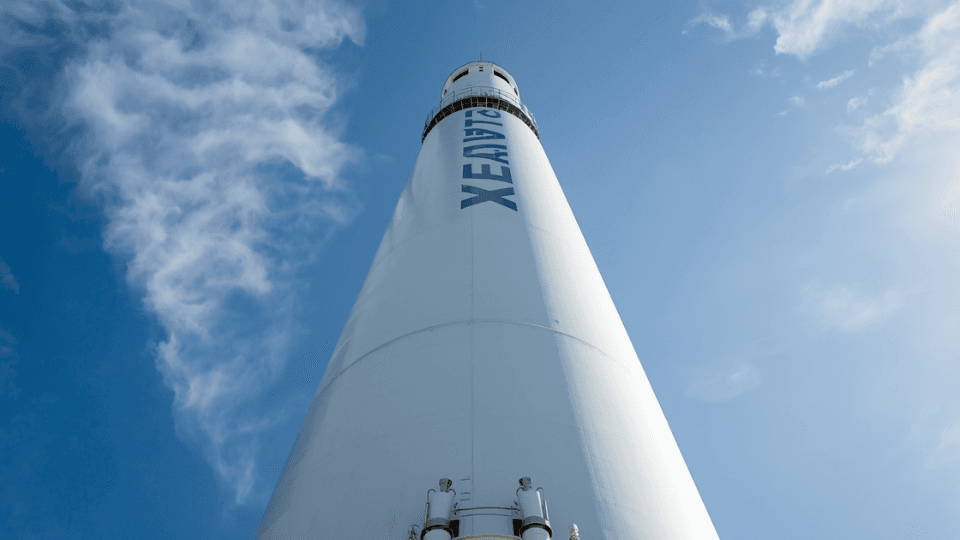
The company’s long-term financial success remains heavily tied to Starship, the fully reusable heavy-lift rocket. Starship has weathered a relentless series of design changes and testing setbacks, but SpaceX expects the vehicle to begin commercial payload deliveries to orbit in the second half of 2026. If successful, Starship will cut historical launch costs by more than 99%, allowing the company to rapidly deploy its next-generation Starlink hardware. The company spent $3 billion on Starship research and development in 2025 alone, with an additional $1 billion poured into the program during the first quarter of 2026.
Absolute Control Remains Intact
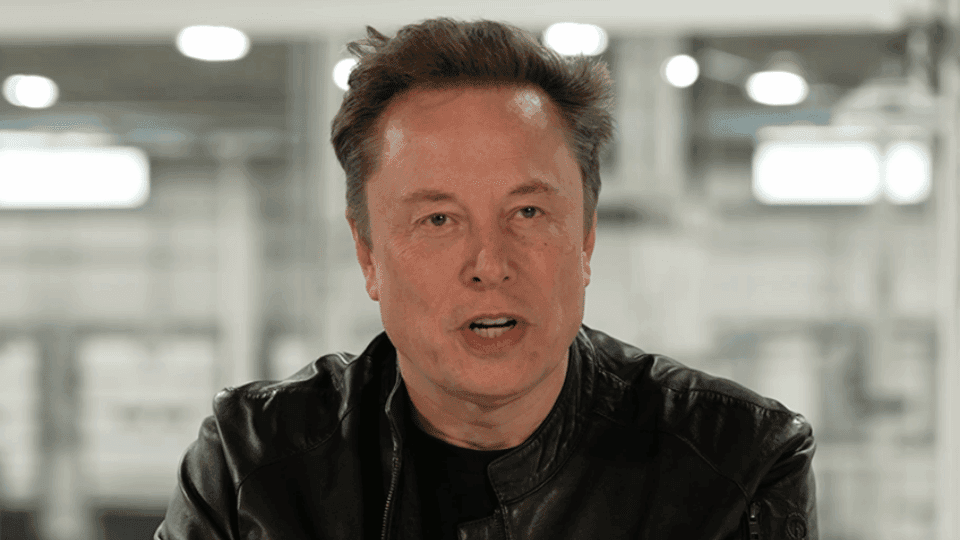
For retail investors expecting a say in how the company runs, the S-1 prospectus delivers a clear message: Elon Musk remains the absolute boss. The IPO will establish a two-class share structure designed to firmly entrench Musk’s authority. Class A shares sold to the public will carry one vote each, while Class B shares carry ten votes apiece.
This setup ensures that Musk will retain 85.1% of the total voting rights. He will simultaneously maintain his roles as founder, chief executive officer, chief technology officer, and chairman of the board. The company explicitly intends to claim “controlled company” status under Nasdaq rules, completely exempting it from standard board independence requirements. Musk has built a trillion-dollar empire on his own terms, and going public will not change how he rules his kingdom.