The Power Play: Why Trump is Stall-ing His Own AI Security Crackdown
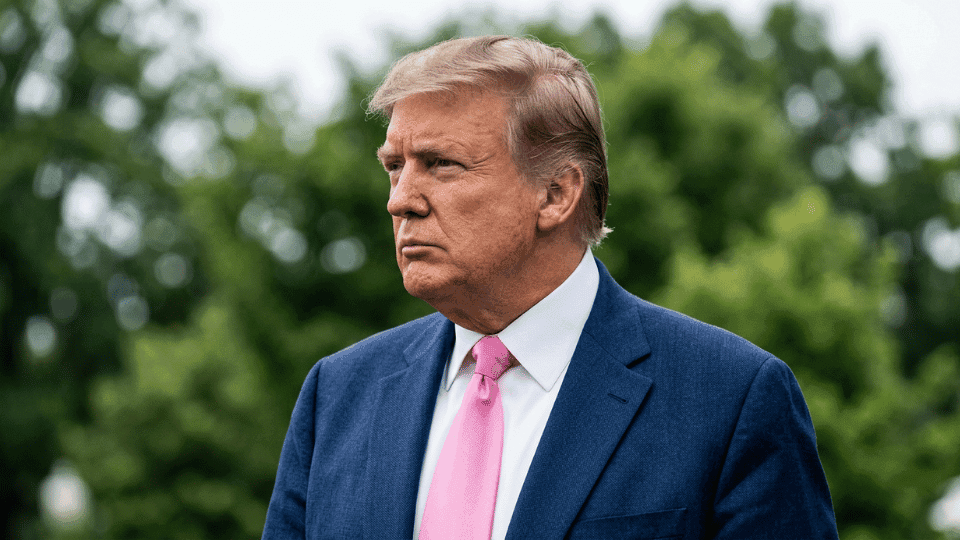
President Donald Trump has put the brakes on a highly anticipated national security policy. In a surprising move reported on Thursday, May 21, 2026, Trump delayed the official signing of an upcoming executive order that would grant the federal government sweeping powers to evaluate advanced artificial intelligence models before their public release.
Speaking directly to the White House press pool, Trump expressed deep dissatisfaction with the current framework of the order. He claimed the language of the draft was too restrictive, stating that he did not like certain aspects of the policy because it could inadvertently act as a blocker for American technology companies. Trump argued that the United States is currently leading a global race against China, and he refuses to authorize any domestic regulations that could obstruct that leadership position.
Behind the Scenes at the White House
While the president framed his decision around global competition, insiders point to a much more practical roadblock. Multiple independent reports suggest that the unofficial reason for the delay is a lack of political staging. The White House failed to coordinate with top Silicon Valley technology executives to bring them to Washington, D.C. on short notice. Trump, who values high-profile corporate partnerships, reportedly did not want to execute such a massive policy order without a proper photo opportunity alongside the industry’s top leaders.
The delayed executive order is an aggressive response to growing anxieties regarding the weaponization of frontier AI models. If signed, the mandate would task the Office of the National Cyber Director alongside other federal agencies with developing a strict pre-deployment evaluation process. This vetting framework aims to catch dangerous security flaws before software companies can distribute their models to consumers.
The Models That Triggered the Panic
The urgent push for this policy stems from the rapid arrival of a new generation of hyper-capable, code-literate models. Specifically, the government is worried about Anthropic’s Mythos and OpenAI’s GPT-5.5 Cyber. Both of these systems possess an unprecedented ability to automatically search for, discover, and actively exploit zero-day software vulnerabilities.
A primary sticking point in the draft language revolves around a mandatory transparency clause. The text requires AI labs to share their unreleased, advanced models with government agencies for rigorous security testing. This testing window would occur between 14 and 90 days ahead of any planned commercial launch. Trump made his concerns clear, reiterating that the strict timeline could easily paralyze innovation. He worries that forcing a company to sit on a completed product for three months while bureaucrats run tests would give foreign competitors a massive head start. For now, the administration is heading back to the drawing board to balance national security with Silicon Valley’s need for speed.