OpenAI Drops Jalapeño Hardware to Break Dependence on Nvidia Chips
OpenAI just pulled back the curtain on its very first custom built silicon processor. Designed and manufactured alongside semiconductor giant Broadcom, the new piece of hardware carries the internal code name Jalapeño. This hardware launch marks a massive shift for the artificial intelligence giant. Instead of relying entirely on off-the-shelf components, OpenAI custom built this inference processor to handle the exact workloads its massive neural networks require every day. To make the chip as efficient as possible, the firm even used its own models to help design the hardware architecture.
The team is still putting the processor through extensive benchmarks and internal testing, but the initial data looks incredibly promising. OpenAI reports that early test runs show the custom silicon delivers significantly better performance per watt than any standard high-end chips available on the market right now.
This move has been in the works for a long time. Rumors about OpenAI building its own silicon have circulated around Silicon Valley for months, mostly because the company desperately needs to lower its reliance on Nvidia graphics processing units. Nvidia currently dominates the AI chip market, creating severe supply shortages and driving up prices for everyone else. By developing custom processors, OpenAI joins other tech giants like Google and Amazon, who both built specialized AI accelerators to speed up their machine learning platforms.
OpenAI President Greg Brockman discussed this hardware strategy during an episode of the company’s internal podcast, right after they finalized the Broadcom partnership. Brockman shared that because his team possesses an incredibly deep understanding of their daily computational workloads, they can identify underserved tasks. By building hardware around those exact bottlenecks, they can accelerate processing speeds beyond what general processors achieve.
Jalapeño is not built for training new models from scratch. Instead, it is built specifically for inference, which is the actual process of running pre-built models to answer live user prompts. OpenAI highlighted that the chip will help drop operating expenses when running real-time software systems like their automated coding assistants. While heavy tasks like initial model pre-training will still depend on Nvidia hardware, cutting down everyday inference costs will do absolute wonders for the company’s bottom line.
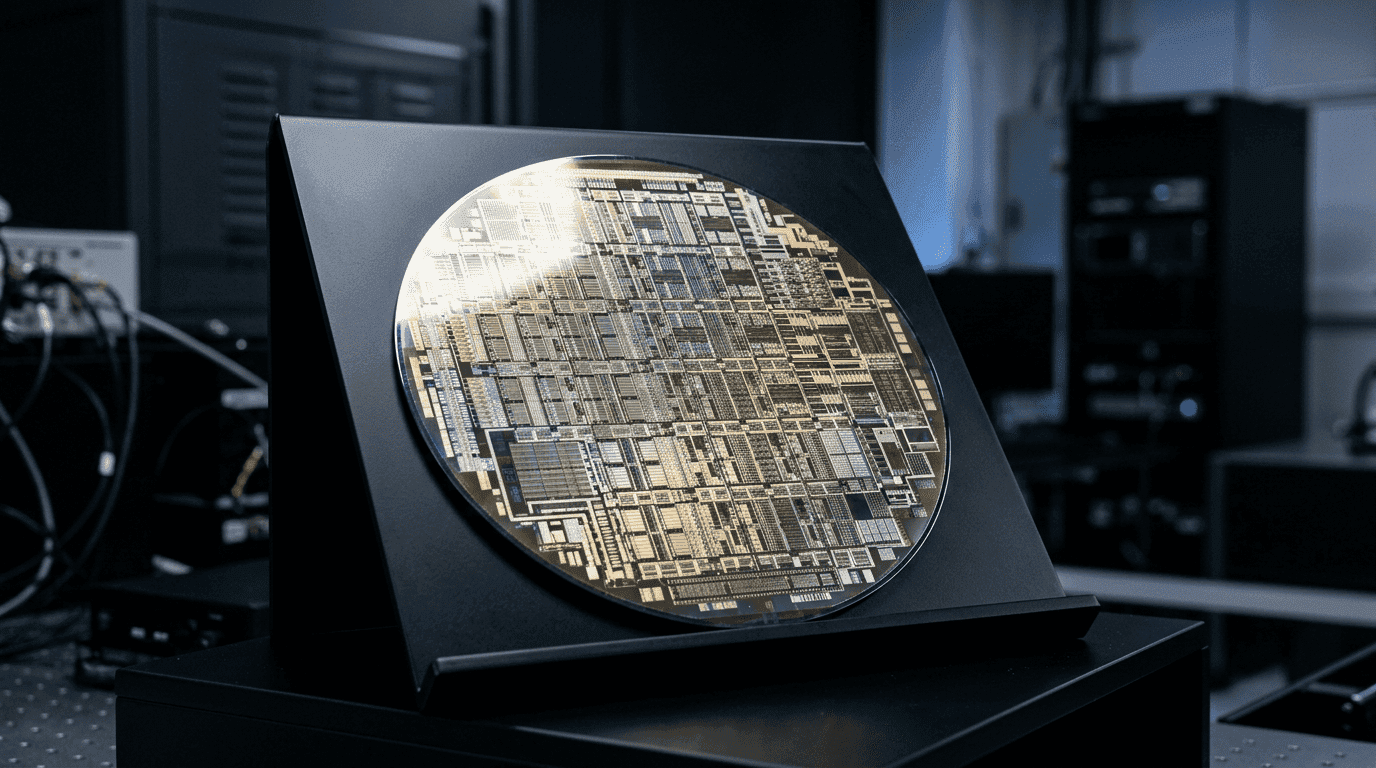
The layout shown in image_3d4863.jpg underscores how high the stakes are for the business. Tweaking the hardware layers has become a major battleground for survival in the AI market. OpenAI is shifting toward building agents like Codex, which means they need massive data centers to run those tools around the clock. Developing purpose-built chips allows them to optimize every single layer of the technology stack, from kernels and chip architectures to networking and scheduling systems. By tailoring the hardware to the software, OpenAI aims to make its models run faster, cost less, and stay completely reliable for millions of daily users.