Recursive Revolution: Inside the Lab Teaching AI to Build Itself
Richard Socher is a household name in the AI world. He founded the early chatbot startup You.com and worked on ImageNet. Now, he is joining a new group of researchers focused on a bold idea. On Wednesday, May 14, 2026, his new San Francisco startup, Recursive Intelligence, came out of stealth mode with a massive $600 million in funding.
Socher is not alone in this mission. He teamed up with top researchers like Peter Norvig and Cresta co-founder Tim Shi. Together, they want to create a new kind of AI model. Most AI today is static once it is trained. Recursive Intelligence wants to build a model that can find its own mistakes and fix them without a human helping it. This concept is called recursive self-improvement. It has been a goal for researchers for a long time, and Socher thinks his team can finally make it happen.
The Loop of Self-Improvement
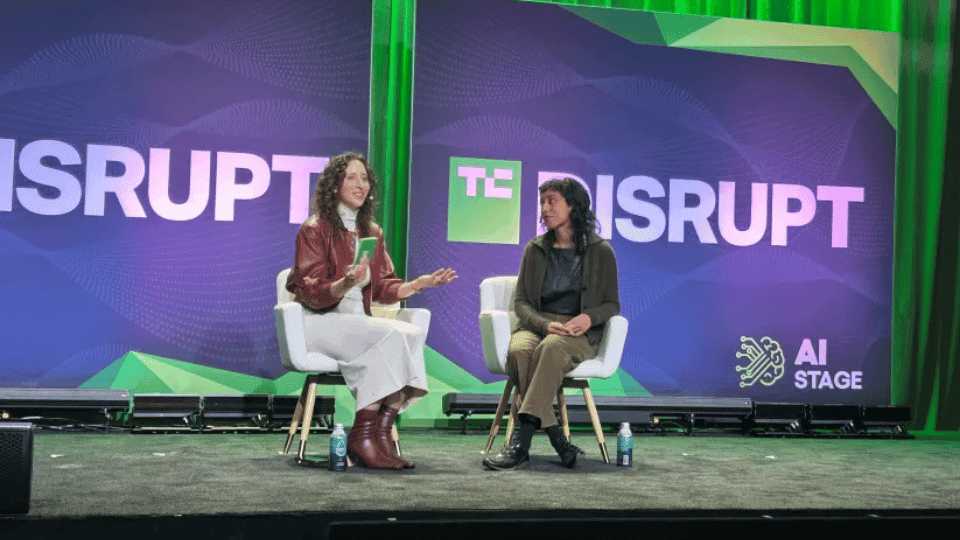
In a recent interview, Socher explained that his approach is unique. While other labs focus on building products like better search engines, his company prioritizes research. He wants to use “open-endedness” to get to true self-improvement. Most people think they are doing this when they just fine-tune a model. Socher argues that real improvement happens when the entire process of research and testing becomes automatic.
He compares this to biological evolution. In nature, animals adapt to their environment. Then, other animals adapt to those changes. It is a constant loop that has lasted for billions of years. He wants to recreate this in a digital world. By letting two AI models “red team” each other, they can find flaws and solve problems faster than any human coder ever could. One AI tries to get the other to do something wrong, like build a bomb. The second AI learns to block that attempt. They go back and forth millions of times until the system is incredibly smart and safe.
A New Kind of Company
The team at Recursive Intelligence includes veterans from OpenAI and DeepMind. Josh Tobin, who helped lead the OpenAI Codex team, is also on board. They believe the major labs are not going to reach true self-improvement by doing what they are currently doing. They think the industry needs a fresh start that focuses on “open-ended” vision rather than just shipping products.
Socher admits that the race for better AI will eventually come down to raw computing power. Once you have a system that improves itself, the only thing that limits you is how much hardware you can throw at it. He believes we are heading toward a world where compute is the only resource that matters. The big question in the future will be how we choose to use that power. Do we use it to cure cancer or to solve other world problems? It will be a matter of resource allocation.
While the company is focused on research, they do plan to ship products eventually. Socher says the team has made so much progress that they might pull up their original timelines. You should expect to see something from them in months, not years. They want to be a viable company that builds amazing things people love. If they pull this off, the next generation of AI will not just be built by humans. It will be built by the machines themselves.