The Green Dilemma: Why Solar Power Won’t Stop the AI Hunger for Fossil Fuels
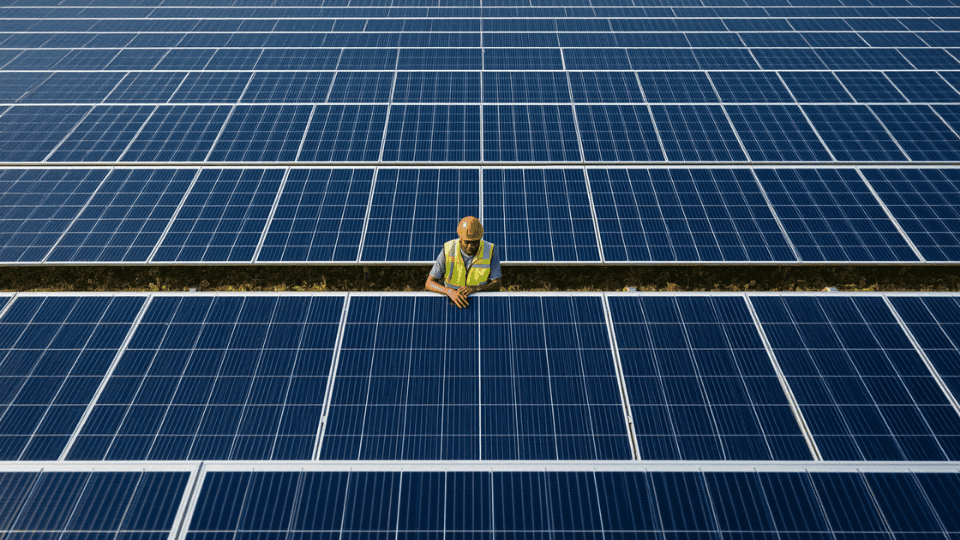
Solar power is winning the global energy race, but it faces a massive obstacle. According to a new report from BloombergNEF released on May 19, 2026, solar will become the world’s largest source of power over the next decade. It is on track to surpass coal, oil, and natural gas much faster than previously expected. However, this historic shift is happening at the exact same time that artificial intelligence and data centers are driving a colossal surge in electricity demand. This tech boom means that despite the rise of clean energy, fossil fuels will remain in business for a long time.
Matthise Kimmel, the head of energy economics at BloombergNEF, explained that the transition is moving forward purely on economic grounds. Solar energy is simply too cheap to ignore. For instance, Pakistan added 25 gigawatts of solar power in just two years after natural gas prices spiked following Russia’s invasion of Ukraine. This transition could move even faster if governments took aggressive actions to limit carbon emissions.
The Staggering Cost of AI Data Centers
The massive shift in energy presents a huge opportunity for investors, but it also reveals a dark truth about our digital obsession. BloombergNEF expects that data centers will drive an additional 1 terawatt of utility-scale energy demand by 2050. To put that in perspective, that includes 400 gigawatts of solar power, 370 gigawatts of natural gas, and 110 gigawatts of coal.
Because data centers must operate 24 hours a day, seven days a week, they cannot rely on solar power alone. They need constant, unyielding power. Because of this requirement, BloombergNEF projects that fossil fuels will still provide 51% of the extra generation needed to power data centers by mid-century. Tech companies and data center developers now hold an outsized influence over which energy sources survive.
The Race for Better Storage
These forecasts are not completely set in stone. Other technologies are fighting for a piece of the data center market, including long-duration energy storage, geothermal energy, and nuclear power. Google recently gave big battery technology a boost by including $1 billion worth of 100-hour batteries from Form Energy in a recent data center project. Nuclear power and geothermal energy also show strong promise following the major public stock offerings of Fervo Energy and X-energy.
Still, competing with solar will be tough. Solar panel costs keep falling, and prices should drop another 30% by 2035. By 2050, solar panels will generate more than twice as much electricity as natural gas worldwide. This drop in cost stems from China’s industrial policy, which heavily subsidizes manufacturers, and the simple reality of mass manufacturing.
This abundance of daytime solar power has actually driven electricity prices down to zero during the day in places like Spain and Italy. This means standalone solar farms are no longer as profitable. In response, developers are building hybrid power plants that pair solar panels with massive battery systems. This setup allows them to save the energy and sell it during the evening when prices are higher. The grid-scale battery market is growing fast, and companies like Redwood Materials are already teaming up with auto giants like Ford to capitalize on the trend. While solar is winning the economic battle, the tech industry’s hunger for constant power means fossil fuels are not going away anytime soon.