Silicon Valley Freaks Out: How Open-Source Chinese AI Models Scared Washington
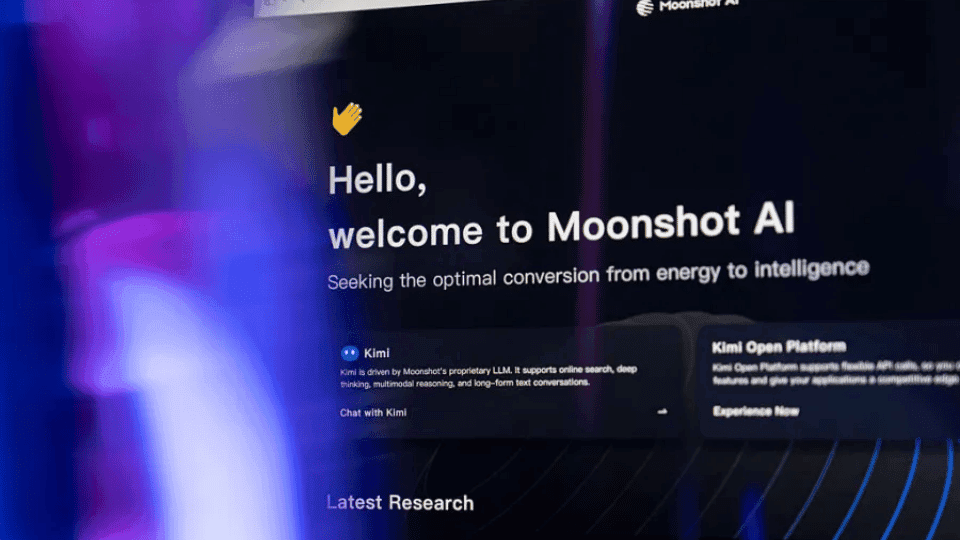
The release of Kimi, an open-source model from Chinese startup Moonshot AI, sparked intense debates across social media feeds and Western boardrooms. American developers face a sudden reality check as open models built abroad match or outperform closed domestic systems. The sudden wave of panic spread from Silicon Valley direct to Washington, where politicians and tech executives lobby for strict regulations against foreign open-source code.
On a recent episode of the TechCrunch Equity podcast, industry analysts unpacked why this news hit a sore spot. Western tech companies spent billions building proprietary AI models, expecting closed systems to give them a permanent competitive advantage. When Chinese startups released capable open-source models at a fraction of the cost, that business playbook began to fall apart. American executives now complain about unfair competition while pushing lawmakers to step in.
The current panic surrounding Chinese AI feels similar to the original release of DeepSeek. Many open-source models out of China meet or exceed Western benchmarks on specific tasks. They run at much lower costs and require far less computing power. That reality disturbs Western tech founders because Chinese firms achieve these performance jumps while spending far less capital than Silicon Valley giants.
Much of the political noise in Washington comes down to protectionism rather than pure national security concerns. Industry leaders use fear-based arguments to lobby for government protection. They claim open foreign models pose serious security risks, hoping lawmakers will step in to ban open-source alternatives. Passing strict regulations against open-source AI helps big American tech firms preserve their expensive monopolies over closed foundation models.
Former government officials and tech lobbyists are calling for strict export bans on open-weight software. However, blocking open-source code across the board creates major collateral damage. Restricting open models hurts independent developers, startup founders, and research labs that rely on free, accessible software tools. It forces American businesses to buy expensive API access from a handful of dominant domestic tech platforms instead of running lightweight systems on their own servers.
Rather than trying to ban software tools built in other countries, Western leaders need to rethink their long-term innovation strategy. Trying to lock down open code behind regulation will not stop foreign progress. Instead, it slows down local developers while giving closed tech monopolies total control over the future of artificial intelligence.