Subterranean Billion-Dollar Bet: Elon Musk Boring Company Eyes Massive 20 Billion Valuation
Elon Musk tunneling startup, The Boring Company, is negotiating a massive new capital round. Reports show the firm is working to raise 4 billion dollars from investors, pushing its total market valuation up to 20 billion dollars. While the financing deal remains open and terms could shift before signatures dry, closing at that number represents a huge price jump from its 5.7 billion dollar valuation back in 2022.
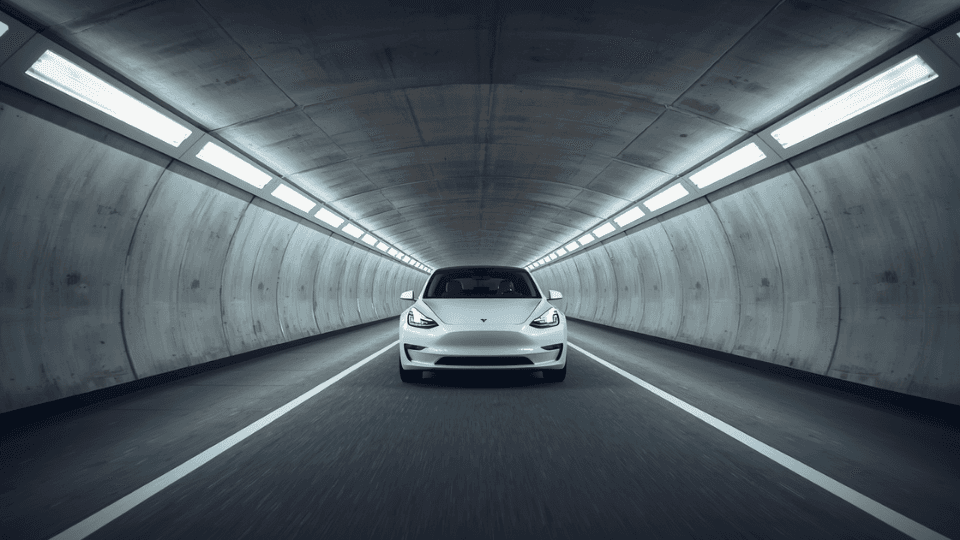
The startup currently runs an operational transit network beneath the Las Vegas strip. That system shuttles passengers through underground concrete tubes using human-driven Tesla vehicles. Beyond Nevada, leadership wants to expand its subterranean highways into major metropolitan areas across the globe. The company pitched ambitious underground transit projects for cities like Nashville, Dubai, Baltimore, Chicago, and Los Angeles.
Despite securing big investor interest, the startup faces serious operational hurdles, workplace safety criticism, and local regulatory pushback. Reports show that multiple tunnel construction workers suffered severe injuries during recent digging projects. Local government authorities in Nevada also cited the company for environmental breaches, noting that construction crews violated local environmental regulations nearly 800 times during local expansion efforts.
The Boring Company originally spun out from SpaceX back in 2018 as an experimental side project. It aimed to solve urban traffic gridlock by digging vast networks of high-speed transit tunnels beneath congested city streets. Musk promised that automated pods and high-speed electric vehicles would carry commuters under traffic at record speeds.
However, many transit experts remain skeptical about scaling these tunnel networks into core public transportation systems. Building subterranean highways costs immense amounts of money per mile, and moving passengers through small vehicles limits total throughput compared to traditional light rail or subway trains. Operating small passenger cars through narrow concrete tunnels also creates severe bottlenecks during peak rush hours, limiting overall efficiency.
Safety concerns also continue to draw scrutiny from federal inspectors. Working inside confined underground spaces exposes crews to hazardous chemical runoff, concrete dust, and high-pressure industrial equipment. Regulators are keeping a close eye on workplace conditions to ensure crew safety keeps pace with aggressive tunneling schedules.
Even with persistent safety fines and construction delays, investors keep pumping capital into Musk vision. Heavy backing allows the firm to buy industrial tunneling machines, hire engineering talent, and pitch local politicians on private transit alternatives. If the new funding round closes successfully, The Boring Company will gain a massive financial cushion to build next-generation tunneling equipment, clear regulatory hurdles, and attempt to scale its underground transit networks across new cities worldwide.