Ten Billion Dollar Ties: How Microsoft Capitalizes on OpenAI Partnerships While Rivalries Grow
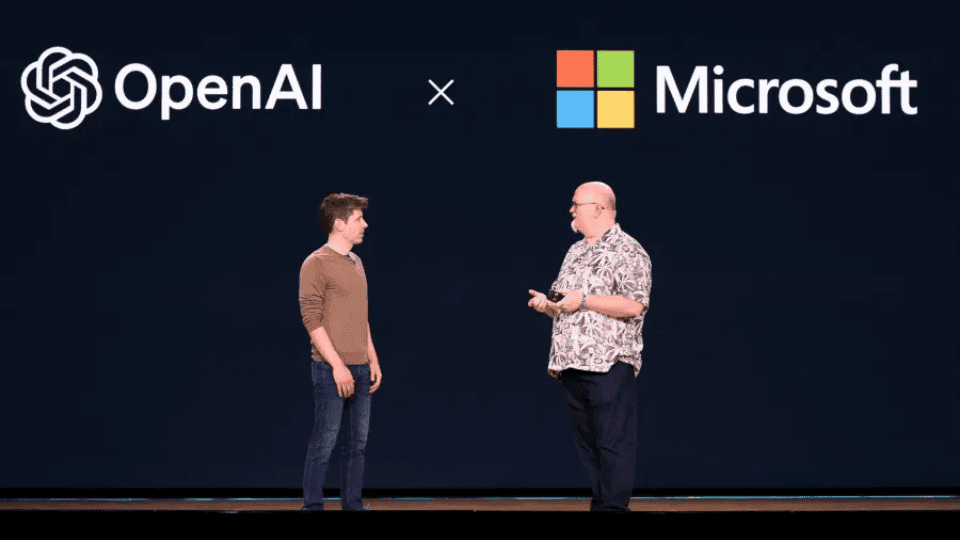
Microsoft generated $10 billion in revenue from commercial arrangements with OpenAI during the quarter ending September 30. The official regulatory filing reveals that revenue from the OpenAI alliance accounted for nearly 11 percent of Microsoft’s total quarterly revenue of $92.3 billion. The numbers underline the massive financial dependencies linking both companies, even as they increasingly compete for the same corporate clients across global markets.
Microsoft operates on a fiscal year starting in July, making the quarter ending September 30, 2026, the first quarter of its 2027 fiscal year. During the full 2026 fiscal year, Microsoft pulled in $24.1 billion from its OpenAI partnership. At its current quarterly pace, Microsoft projects annual revenue from OpenAI-related deals to top $40 billion.
In addition to direct earnings, Microsoft reported $7.2 billion in outstanding receivables from OpenAI at the end of September, up from $6 billion recorded at the end of June. Receivables represent funds OpenAI owes Microsoft for past transactions rather than new revenue generated during the quarter. While Microsoft does not break down exact proportions, the total revenue stream includes direct Azure cloud computing fees alongside net revenue-sharing payments. Leaked internal documents indicate Microsoft received $865.8 million in net revenue-sharing payments from OpenAI during the first nine months of the previous year.
Under existing commercial terms, OpenAI shares 20 percent of its revenue with Microsoft to cover earlier investments that exceeded $13 billion. Neither entity confirmed the exact percentage publicly, but an updated agreement signed in April 2026 keeps revenue-sharing terms active through 2030, subject to an agreed cap, while allowing OpenAI to partner with competing cloud hosts.
The companies began restructuring their exclusive partnership in October 2025. Microsoft relinquished its exclusive rights on OpenAI technology, allowing the startup to partner with alternative cloud providers. In return, OpenAI committed to purchasing $250 billion in Azure cloud services as part of a long-term infrastructure plan. Giving OpenAI room to build multi-cloud infrastructure gives the startup freedom while locking in massive cloud rental payments for Microsoft.
Microsoft’s direct ownership stake in OpenAI continues to drop slightly. Financial disclosures show Microsoft’s equity stake fell from 25 percent in June to 24 percent in September. That drop continues a gradual decline from roughly 27 percent following recapitalization steps taken in October 2025. Microsoft did not specify the exact reasons for the equity dilution in its filing.
The relationship between Microsoft and OpenAI demonstrates how mega-cap tech giants and fast-moving AI startups navigate complex partnerships. Microsoft supplies critical cloud compute infrastructure and secures billions in quarterly returns. Meanwhile, OpenAI builds consumer and enterprise tools that compete directly against Microsoft’s internal software lineup. As both companies expand, their financial agreement keeps them bound together while they fight for market dominance across the technology sector.