The Coding Crutch: Why Programmers Refuse to Work Without AI, and How It Backfires
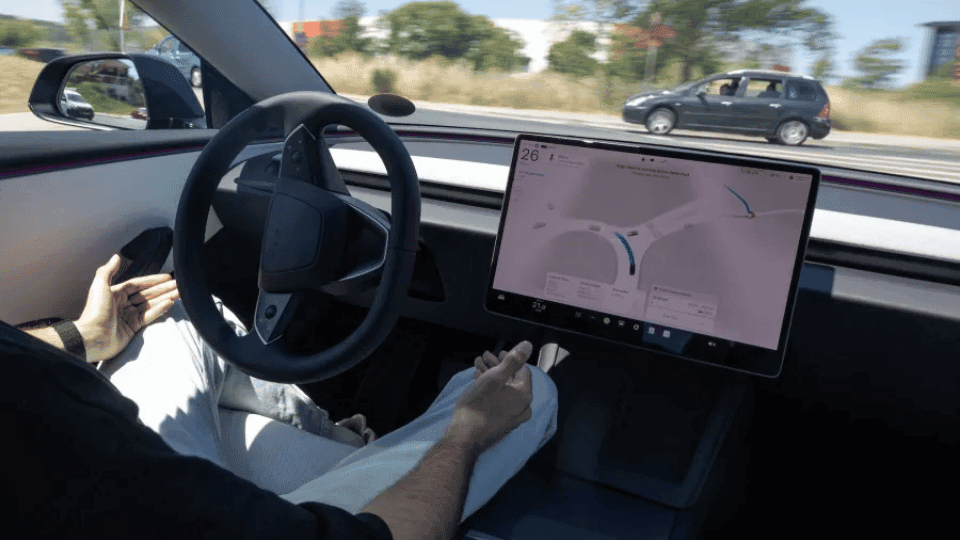
You cannot pry artificial intelligence out of a software developer’s hands anymore. In 2026, researchers found that programmers hold a vice grip on their digital assistants. But while automated software engines help people write lines of code much faster, it might not actually result in better final products. In fact, this total reliance on automated assistants is creating a massive technical debt that could cause major disasters down the road.
The shift happened fast. In February 2026, a respected research lab named MCTR published a surprising study showing that most developers refuse to work without digital assistants anymore. The researchers wanted to update their older 2025 data, which measured exactly how much time open-source programmers spent on tasks when working by hand versus using software tools.
When MCTR tried to set up a new experiment to measure recent jumps in coding speed, they hit a brick wall. They could not even find enough developers willing to participate. The programmers openly admitted they were entirely unwilling to work without artificial intelligence, even just for the duration of a scientific study.
Faster Coding, Slower Fixing
Because they could not run the hands-on experiment, MCTR published a survey in May 2026 instead. The results showed a massive disconnect between perception and reality. Software workers reported that the tools made them wildly productive. In their own minds, the assistants made them twice as valuable to their employers.
But recent data from major tech platforms makes those self-perceptions look highly doubtful. Throughout 2026, the tech industry has relied on a metric called “tokenmaxing.” This basically means managers measure worker productivity by counting how many data tokens a developer throws at a project. It turns out that high token usage does not equal high-quality work.
Look at Amazon. The retail giant had to shut down its internal token-tracking leaderboard, called Kronic, because employees figured out how to game the math. Workers used automated bots to generate massive waves of text, driving up computing costs for the company without actually improving the software. This week, financial reporters confirmed that stuffing a project with automated text does not automatically make a team more productive.
Uber ran into the exact same financial wall. The company blew through its entire 2026 tech budget in just the first four months of the year. Company executives noted on a tech podcast that this massive spike in computing expenses did not lead to a measurable increase in project completions or overall worker speed.
The True Price of Automated Bloat
The problem goes beyond high server bills. Automated software actually increases long-term maintenance headaches. Programmer and author James Shore published a viral blog post explaining the math behind this issue. If you write your code twice as fast, you need to cut your maintenance costs in half just to break even. Otherwise, you are simply trading a temporary speed boost for permanent tech debt.
Other industry data supports this warning. Aishwarya Sankar, the founder of an engineering startup named Intelligence AI, shared data showing that companies now spend 44 percent of their engineering budgets just fixing bugs created by their own software assistants. Meanwhile, CodeRabbit, a company that reviews software requests, analyzed open-source data and found that software assistants generate 1.7 times more structural errors than human programmers.
Independent academics are reaching the same conclusions. Researchers from Singapore Management University published a study warning that machine-generated code introduces massive, hidden maintenance costs into commercial software projects.
So what is the solution when workers refuse to drop their assistants? Tech executives who sell automated products argue that you should just hire more bots to fix the work of the first bots. They want you to use automated testing agents to catch the mistakes. But even the creators of these automated agents admit that the technology currently performs like a junior developer. You cannot just turn it on and walk away.
Independent researchers suggest a much more grounded approach. Programmers need to stop treating the software like an oracle. They need to learn exactly where the models fail, build strict quality assurance systems, and review every single line of generated code as if a junior trainee wrote it. Humans need to stay focused on the big picture, like overall system architecture and digital security, before the automated crutch breaks the internet entirely.