The Coding Tax: Why GitHub Copilot’s New Token Billing is Sparking a Developer Revolt
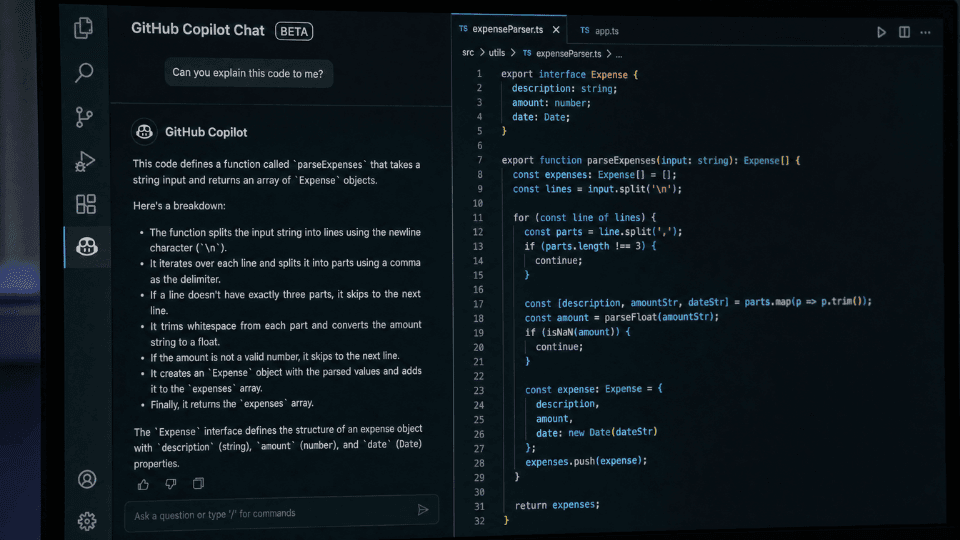
The era of cheap, unlimited artificial intelligence assistance for programmers is officially coming to a close. Microsoft is shaking up the tech world by completely rewriting the financial rules for its popular software assistant, GitHub Copilot. For years, developers paid a predictable flat subscription fee to have the tool write, debug, and explain software code. Now, that comfortable arrangement is dead. Microsoft is transitioning to a token-based usage model that tracks exactly how much computing power you pull from its servers.
The new billing structure charges users based on the volume of data tokens they burn through while working. Giant corporations with massive engineering budgets will likely absorb the extra costs without blinking. However, independent software creators, small business owners, and freelance programmers are facing an immediate financial crisis as they try to balance their monthly operating budgets.
Massive Price Hikes Spark Shockwaves
The new policy hits the market on June 1, and the early numbers have left many programmers in complete shock. Online communities on Reddit and X are filled with furious complaints from creators who feel that Microsoft just pulled the rug out from under them.
One independent developer shared a receipt showing that their monthly bill is set to explode from a flat $39 per month to nearly $750 under the token framework. The programmer stated that the tool is simply no longer cost-effective or useful at that price point, forcing them to cancel their subscription immediately. Another shocked customer posted a screenshot revealing that their projected costs spiked from $50 to an astronomical $3,000.
While these extreme price increases sound terrifying, some industry insiders argue that the loudest complaints are coming from a specific type of user. Critics point out that standard, efficient programming does not consume enough data tokens to trigger thousands of dollars in monthly fees. They claim that the massive bills are hitting “vibe-coders” people who lack true foundational engineering skills and rely on the AI to repeatedly generate massive chunks of bloated, repetitive code.
Experienced engineers argue that if a developer treats the chatbot as a precise tool rather than a crutch, the pricing remains highly reasonable even for small startup teams. They struggle to believe how a professional worker could accidentally run up such massive overages during a normal work week.
The Real Cost of Hidden Subsidies
This pricing shift exposes the bizarre underlying economics of the artificial intelligence boom. Running massive language models requires an incredible amount of processing power and electricity. For years, Microsoft heavily subsidized GitHub Copilot, losing a significant amount of money on every user just to gain market share and hook developers on the ecosystem. One tech commentator noted that the company was likely losing a mind-boggling fortune by letting users run endless chat queries for a low monthly fee.
Now that the product dominates the market, Microsoft is forcing users to pay the true operational cost of the hardware. Some developers defend the angry users, pointing out that Microsoft actively encouraged people to use the chat assistant indiscriminately. The platform engineered the tool to handle massive requests, spin up hundreds of background sub-agents, and run complex tasks for hours at a time.
By building a system that naturally burns through millions of tokens and then charging by the token, Microsoft created the exact behavior it is now penalizing. As the software landscape adjusts to this new economic reality, developers must learn to code efficiently again, or prepare to pay a massive premium to keep their robotic assistants alive.