Why Meta Is Stripping Away Luxury to House Its Newest AI Chips inside Gigantic Tents
Just when you thought the artificial intelligence infrastructure boom could not get any stranger, Meta decided to rewrite the rulebook on building servers. The social media giant is bypassing standard concrete facilities to construct massive data centers inside industrial tents. This strategy borrows heavily from tactics previously used by Tesla and Elon Musk’s xAI team to bypass standard building delays.
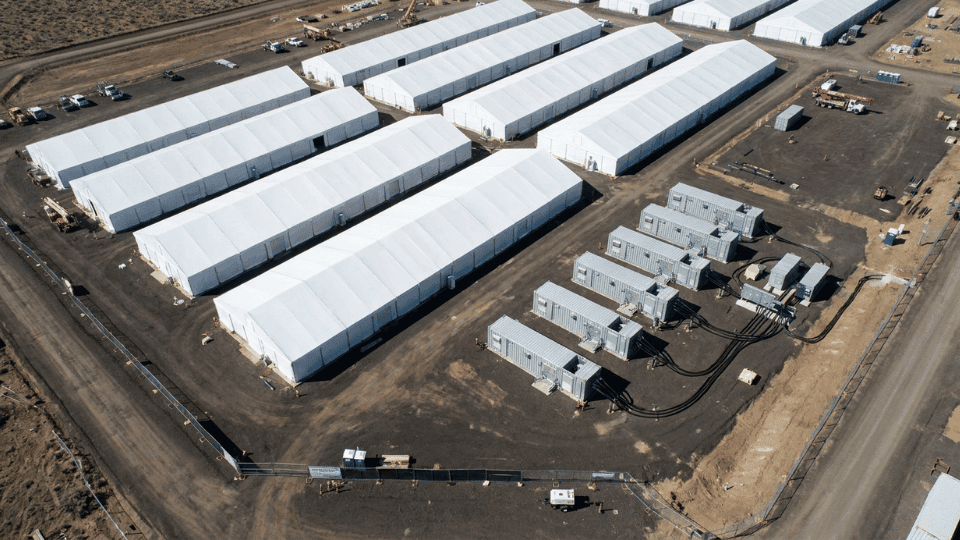
To cut its standard construction schedule right in half, Meta quietly assembled six giant tents just outside New Albany, Ohio. The company officially calls these setups rapid deployment structures. Michael Thomas, the founder of Cleanview, exposed the unusual infrastructure strategy after tracking data center development permits across the country.
The move should not come as a total surprise to industry insiders. Meta Chief Executive Officer Mark Zuckerberg previously spoke with the tech news site The Information about a plan to use temporary, weather-resistant structures to shelter the company’s multi-gigawatt computer systems. Thomas’s permit reviews and satellite pictures show exactly how fast Meta moved on this plan. According to local filings, the company started assembling five separate 125,000 square foot tents between April and June. New satellite images shared on social media confirm that workers already finished building all six structures.
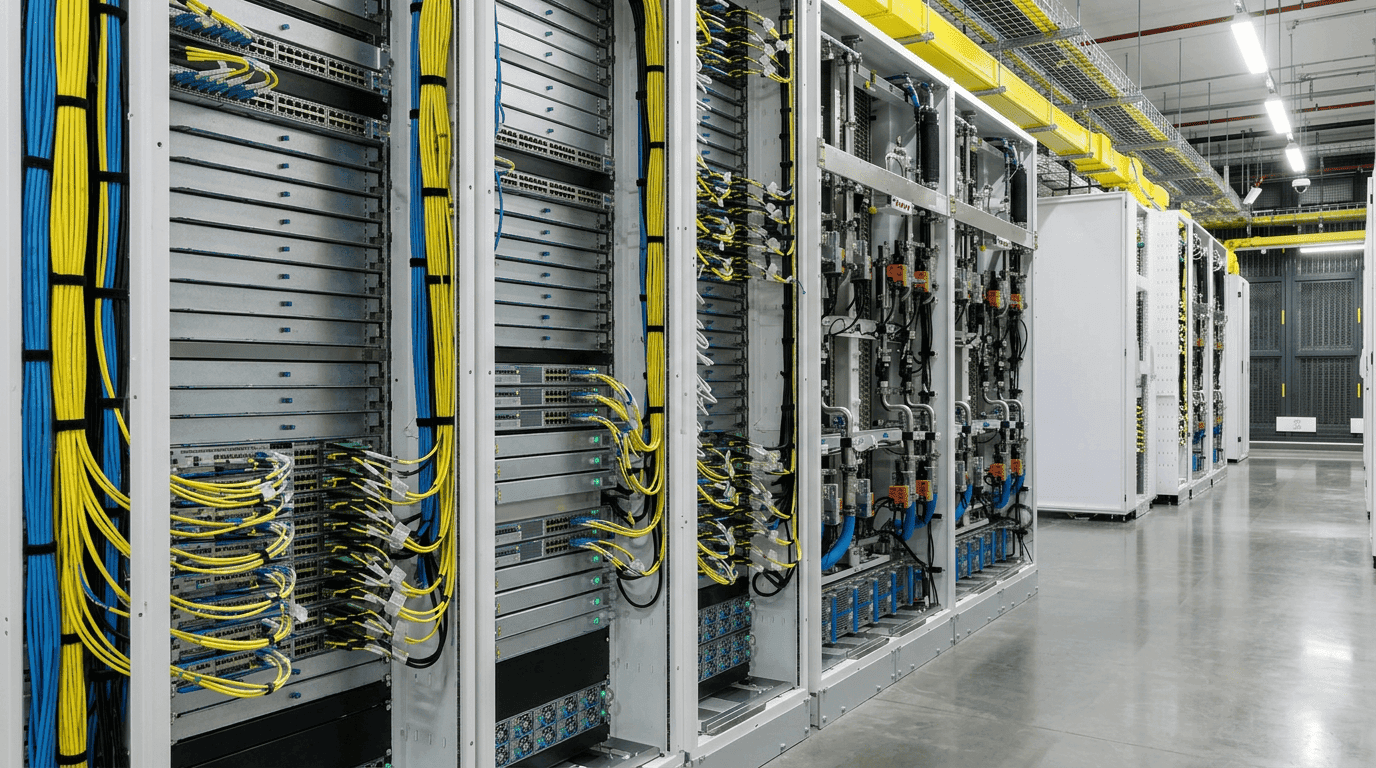
This shortcut strongly mirrors Tesla’s old manufacturing play. Musk famously built a giant tent in a parking lot at his Fremont, California factory when he scrambled to fix assembly line bottlenecks for the Model 3 sedan. Meta’s new campus also features a massive 200 megawatt off-grid power setup driven by modular gas turbines. This specific mobile power trick matches an approach popularized by xAI to bring massive power to server clusters without waiting years for local electric utility companies to upgrade the grid. Inside these industrial fabric structures, rows of advanced artificial intelligence chips worth billions of dollars will handle massive computing workloads.
The temporary structures arrived just as Meta faces immense pressure to ship its latest software tools to independent software developers. A fresh report from The Wall Street Journal revealed that while Meta finished building its newest model, Muse Spark, the application programming interfaces that developers need to plug into the software face constant delays.
At the same time, Meta told Wall Street that it plans to spend up to 145 billion dollars on data centers and general capital expenses this year. Investors have not reacted well to that massive spending projection. Meta’s stock price dropped five percent this year because the market worries about the immense cost of the AI race. Shoving expensive processors into temporary fabric structures gives the company a fast way to cut down its heavy real estate bills. Meta did not immediately return requests for comment on the timeline of the Ohio project.