Bug in the Boardroom: FBI Arrests OpenAI Employee Over Secret Conference Room Surveillance Device
Federal agents arrested OpenAI product team member Abdulrahman Alfozan, charging the Saudi national with planting a hidden surveillance device inside an executive conference room at the company’s San Francisco headquarters. OpenAI security personnel fired Alfozan before federal law enforcement officers took him into custody. Prosecutors with the U.S. Attorney’s Office for the Northern District of California charged Alfozan with using an electronic device to intercept oral communications, an offense that carries up to five years in federal prison upon conviction.
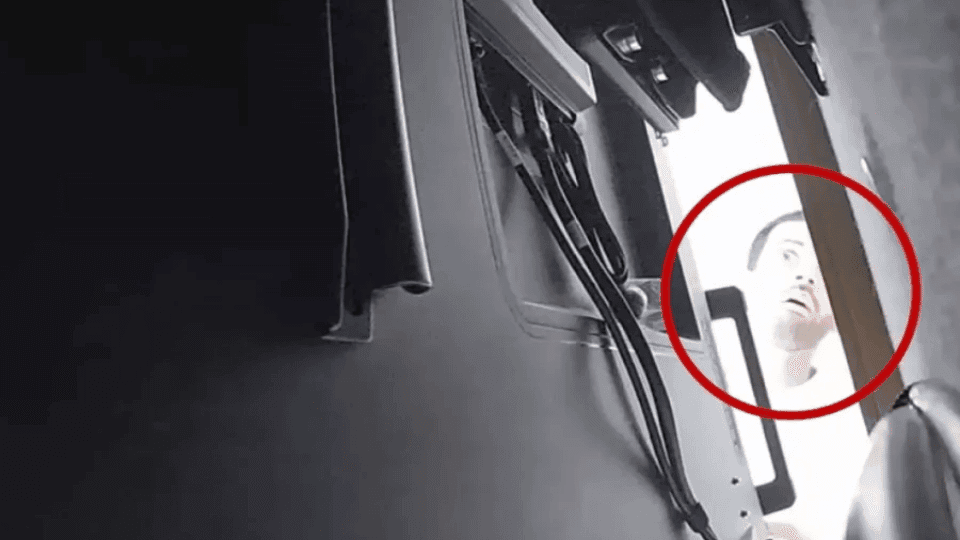
Internal security teams at OpenAI uncovered the physical surveillance bug after noticing suspicious hardware plugged into a USB port on the back of a television set in a main conference room. Security personnel installed hidden cameras behind the television to identify who placed the unit. Video surveillance captured Alfozan looking behind the television set where he installed the bug, giving investigators direct evidence linking him to the covert device.
OpenAI analyzed the physical hardware using its internal AI models to examine its technical capabilities. The company stated that the custom surveillance device included advanced data encryption, real-time audio monitoring software, and specialized data exfiltration mechanisms designed to evade corporate network security filters. OpenAI spokesperson Nate Evans confirmed that Alfozan joined the company’s product team in July 2025. Public statements released by OpenAI confirmed that internal audits found no evidence showing Alfozan accessed proprietary model weights, core source code, or private customer data.
Federal law enforcement agencies view the covert installation as a targeted effort to steal sensitive corporate discussions regarding frontier artificial intelligence. FBI Director Kash Patel stated that the scheme aimed to capture confidential communications regarding superintelligence technology. Patel emphasized that protecting American artificial intelligence development remains a top counterintelligence priority for federal law enforcement agencies seeking to prevent foreign corporate espionage.
Corporate espionage threats intensify as frontier artificial intelligence models become vital national security assets. Tech companies developing cutting-edge software face constant surveillance risks from bad actors attempting to steal trade secrets, proprietary weights, and strategic product roadmaps. Simple physical security gaps, such as open USB ports on office hardware, allow insider threats to deploy custom listening bugs inside sensitive corporate meeting spaces.
Stopping corporate surveillance requires tech firms to combine strict physical security audits with advanced internal threat detection. As major artificial intelligence labs push toward artificial general intelligence, securing physical office spaces, locking down hardware ports, and monitoring internal access points becomes just as vital as protecting digital cloud infrastructure. Rigorous physical security protocols ensure sensitive strategic discussions remain safe from insider threats and foreign espionage.