Clear Vision: How LetinAR is Shrinking the Tech Behind Smart Glasses
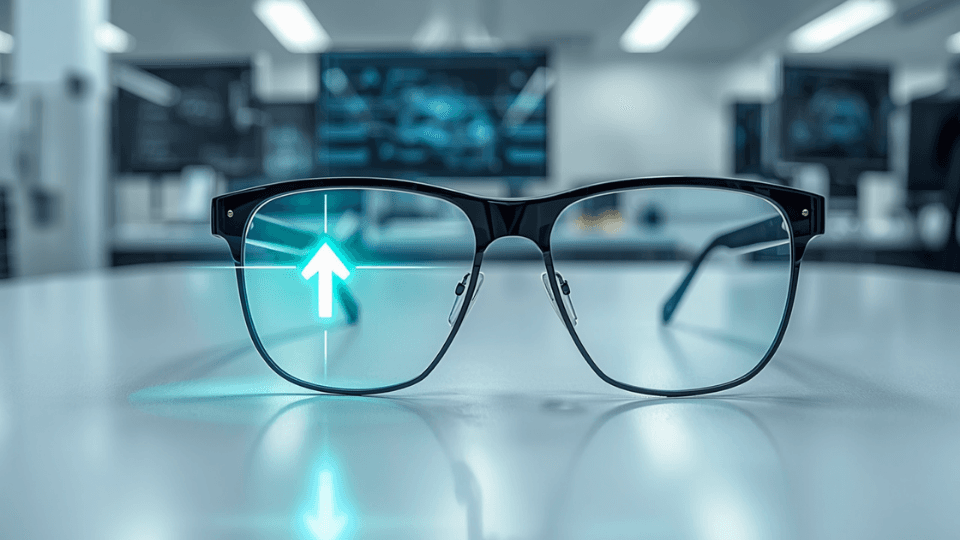
Imagine riding a motorcycle at 150 kilometers per hour when a digital arrow suddenly pops up in your field of view. It floats on the road ahead to show you exactly where to turn. This is no longer just a scene from a science fiction movie. South Korean startup LetinAR is making the specialized optics needed to bring lightweight smart glasses to the mass market. The company plans to launch its new hardware later this year, targeting a rapidly growing industry.
Over the past five years, the world’s biggest tech companies have quietly placed huge bets on smart eyewear. Meta has been working on smart glasses since 2021, Google is building an Android-based OS, and Apple plans to enter the market soon. Global shipments of smart glasses are expected to jump to 2.1 million units this year, up significantly from the previous year. Analysts predict that number will pass 10 million by the end of the decade. LetinAR wants to supply the optical engines that power this entire ecosystem.
The Lens Problem
Building smart glasses that people actually want to wear is incredibly difficult. Most current models are bulky and heavy because they require complex lenses to project digital images into your eyes. LetinAR solves this problem by focusing on a single, ultra-efficient component. They designed an optical module that acts as a bridge, directing light exactly where it needs to go without adding extra weight.
The company’s co-founders, Jaehyeok Kim and Jeonghun Cho, have been friends since high school and started the business to fix the flaws of existing tech. Their lens technology allows light to broadcast across an entire room, but it only highlights the parts that your eyes need to see. This makes the images look sharp and clear while keeping power usage low. By steering the light waves precisely, the glasses avoid the blurry images and rainbow distortions that plague older hardware.
Making AI Wearable
The real power of LetinAR’s technology comes from its ability to blend with modern artificial intelligence. By using a mirror-based approach, the company can shrink the projection hardware until it fits inside a normal-looking pair of glasses. This form factor is exactly what AI applications need to become useful in daily life. Instead of pulling out your phone to ask a chatbot for help, you can just look at an object and let your glasses show you the answer.
This practical approach has already attracted major clients. LetinAR is currently shipping its PinTMR modules to companies like Japan’s NTT QONOQ and DanaeTech. One of their most demanding customers is Aegis Rider, a Swiss tech firm that builds advanced smart helmets for motorcyclists. The helmet displays navigation, speed, and safety alerts directly on the road ahead, ensuring the rider never has to look down at a dashboard.
Funding the Future
To keep up with growing demand, LetinAR just raised an additional $14.7 million in series funding. This cash injection will help the company scale up its manufacturing capabilities and speed up product development. The team currently operates with a lean group of engineers, but they plan to expand their workforce as they move toward mass production.
As AI software gets smarter, the tech industry desperately needs the hardware that can bring those programs into the physical world. LetinAR is betting that the future of computing does not belong to screens in our pockets or heavy headsets on our faces. Instead, they believe the future will be viewed through a simple, clear pair of smart glasses.